









Muscle Mobility vs Flexibility: What’s the Difference and Why Does it Matter? | Crunch Fitness
August 18, 2026
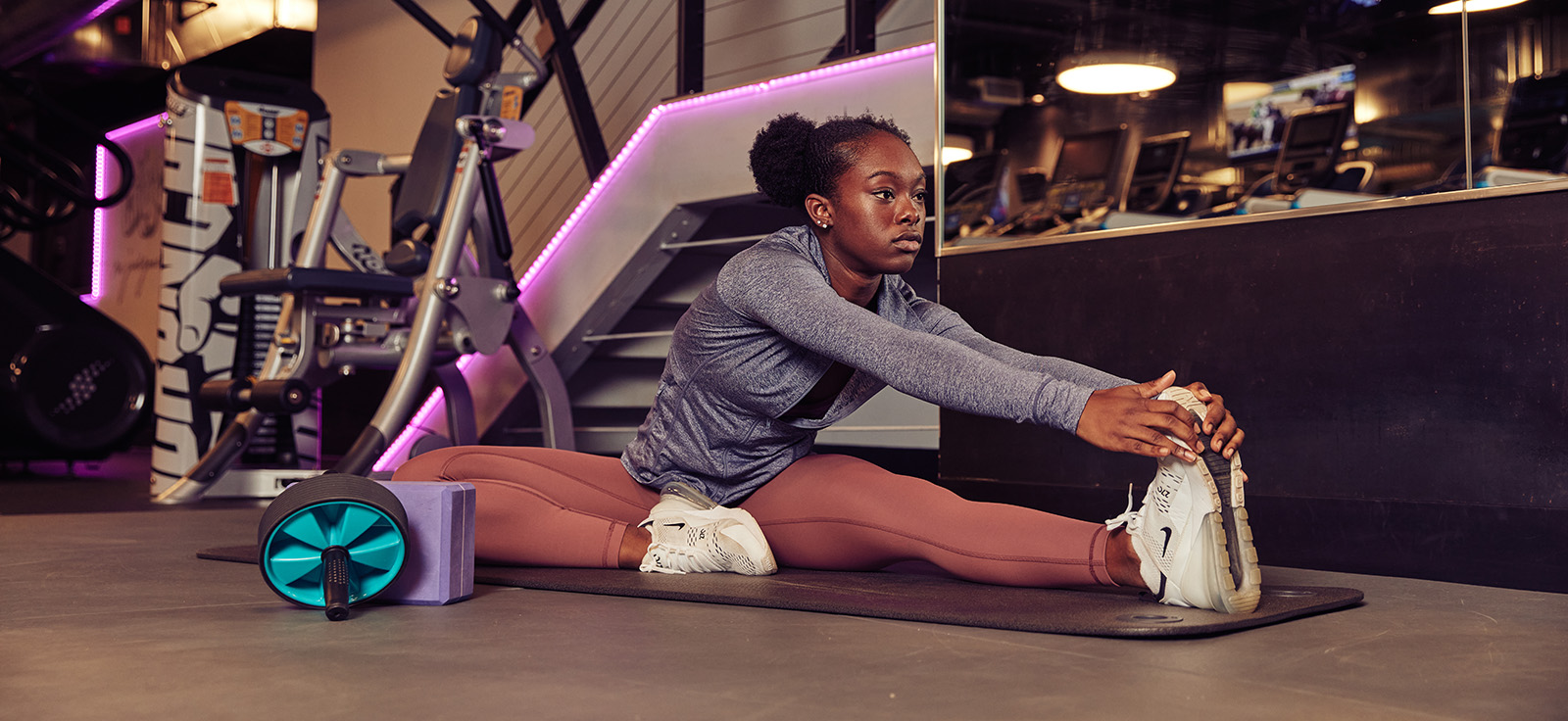
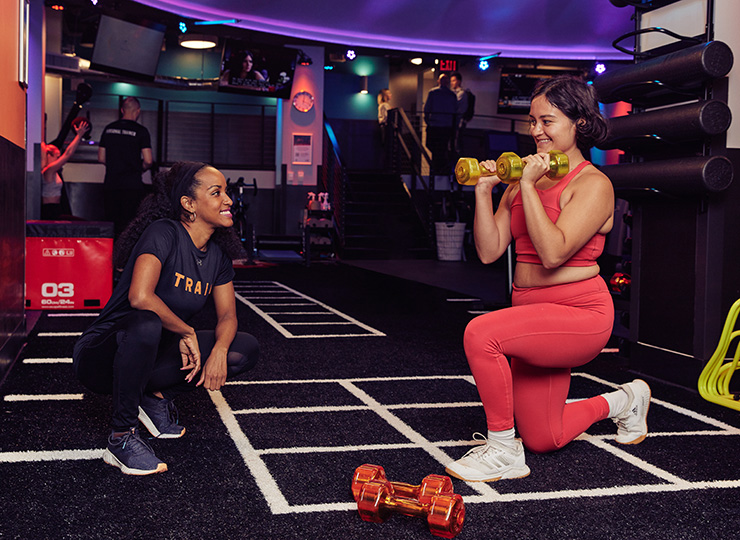
Many people think mobility and flexibility are the same. However, if you’ve ever had trouble squatting low, reaching overhead, or bouncing back after a hard workout, you’ve experienced the difference firsthand.
Consider athletes for a moment. A gymnast or a baseball pitcher doesn’t depend only on flexibility. They use both mobility and flexibility to move with control, power, and stability. This balance is important for everyone, whether you lift weights, join group classes, run, or just want to move without feeling stiff.
So, what exactly are mobility and flexibility? Why does mobility matter for your joints, workouts, and long-term health? And why is flexibility important for recovery, and how well you move?
Understanding the difference between mobility and flexibility can help you train smarter and feel better, both in and out of the gym. Whether you’re doing joint mobility exercises or stretching routines, both are important for how your body works.
Are you ready to improve your mobility and flexibility so you can move with more confidence?
Let’s take a closer look.
Mobility is your body’s ability to move freely and with control through a full range of motion. It’s not only about how far a joint moves, but also about whether you can control that movement using strength, balance, coordination, and stability.
You can think of mobility as “usable movement.” For example, you might be able to sit on the floor and pull your knee close to your chest with your hands, which shows flexibility. But if you can lift your knee that high while standing, without losing balance or making up for it elsewhere, that’s mobility.
This is a key difference between mobility and flexibility. Flexibility gives you the potential to move, but mobility decides if you can actually use that movement in your daily life.
This matters for more than just athletes or Olympians.
Whenever you squat to pick something up, turn to back out of a parking spot, press weights overhead, or climb stairs, your body uses both mobility and flexibility. Without active control, your movements can feel stiff, awkward, or uncomfortable.
Why does mobility matter? Because life is full of movement, whether you’re at the gym or just going about your day.
Limited mobility can make everyday tasks harder than you might think. Tight hips can make sitting uncomfortable. Poor shoulder mobility can make reaching into the backseat feel like an unwanted yoga pose. Stiff ankles can even change how you walk, squat, or run.
A 2025 study found that exercises focused on mobility can improve balance, movement quality, posture, and overall physical function. In short, working on mobility and flexibility can help your body feel stronger and move better over time.
Mobility training also gets your body ready for workouts. Instead of only doing static stretches, many trainers now start with dynamic movements because they wake up your muscles and improve joint control at the same time.
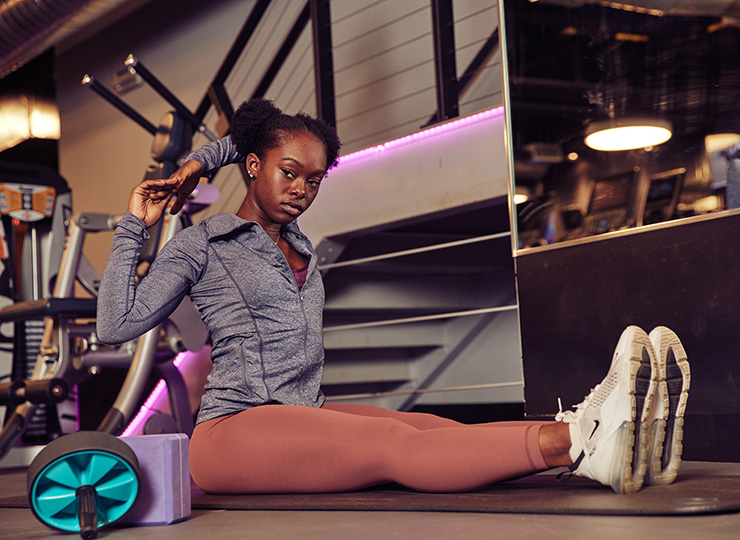
Flexibility is how much a muscle or group of muscles can stretch. It’s usually measured by how far a joint moves during a stretch.
A common example is touching your toes. If your hamstrings let you bend forward easily, that shows flexibility.
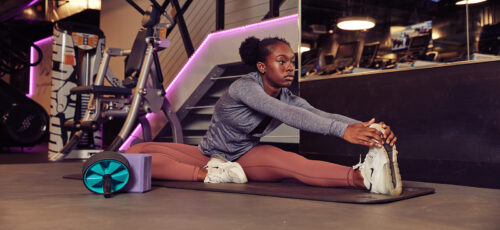
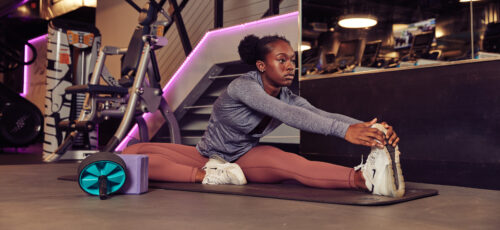
Flexibility exercises often include static stretching, yoga poses, partner stretches, or cooldowns where you hold stretches for longer. This is where mobility and flexibility can overlap, but they aren’t the same thing.
Someone might be naturally flexible but still have trouble moving well. For example, you might see someone do a deep stretch but lose balance during a squat. That’s because flexibility alone doesn’t mean you have control or strength.
Your muscles and connective tissues need to be able to stretch enough for movement to happen in the first place.
If you’re not flexible enough, your body often tries to make up for it in other areas. Tight calves can limit your squat depth. Stiff chest muscles can affect your posture. Tight hamstrings can change how you bend, lift, or move during workouts.
Flexibility training also helps with recovery. After tough workouts, stretching can reduce muscle tension and help you relax. That’s why stretching after exercise is still a popular way to recover.
Read: Flexibility and Stretching Exercises You Should Do Every Day
People often think mobility and flexibility are the same, but they actually work together and play different roles in how your body moves and performs.
Flexibility is about how much your muscles can stretch. Mobility is about how well you can control movement through your full range of motion. Simply put, flexibility lets you access movement, while mobility lets you use it with strength, balance, and coordination.
Here’s a simple breakdown of the difference between mobility and flexibility:
| Mobility | Flexibility |
| Typically associated with dynamic movement | Typically associated with stretching |
| Focuses on active control through movement | Focuses on muscle length and passive range of motion |
| Often includes joint mobility exercises and dynamic drills | Often includes static stretching and held positions |
| Training may happen during warm-ups, workouts, cooldowns, or separate sessions | Training usually happens after workouts or during recovery sessions |
| Requires strength, balance, coordination, and stability | Primarily focuses on tissue extensibility |
| Helps improve movement quality and body control | Helps improve stretch tolerance and muscle relaxation |
| May improve athletic performance and reduce discomfort during movement | May help reduce stiffness and improve recovery |
| Important for squatting, lifting, rotating, pushing, and everyday movement | Important for allowing muscles and tissues to move more freely |
| Mobility training benefits include better joint control and usable movement | Flexibility training benefits include improved muscle length and relaxation |
People often debate whether mobility vs flexibility is more important, like comparing cardio and strength training. But each supports different parts of movement, and your body works best when you have both.
Research published in the Journal of Strength and Conditioning Research has shown that mobility training may improve movement quality, joint function, and athletic performance.
For example, if your ankles aren’t mobile enough, it can limit how deep you squat and affect your balance. Poor shoulder mobility can make overhead exercises uncomfortable or cause your lower back to work harder. This can turn a simple workout into a real challenge.
Flexibility plays a different but equally important role. Flexibility exercises help muscles lengthen and reduce excessive tension, which can support recovery and overall range of motion.
According to the American College of Sports Medicine (ACSM), regular stretching may help maintain mobility and flexibility as people age.
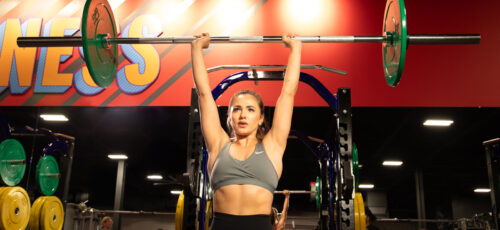
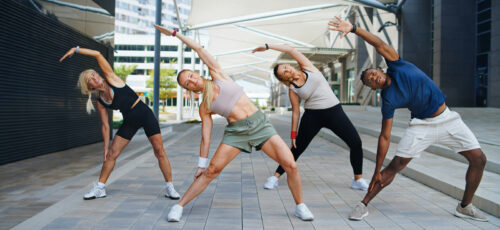
Different goals also require different priorities. A yoga practitioner may need greater flexibility and body control, while a runner may focus more on hip and ankle mobility for efficient stride mechanics. Weightlifters often rely heavily on thoracic spine and shoulder mobility to safely perform overhead lifts.
Age matters too. Studies from the CDC show that maintaining movement capacity becomes increasingly important for balance, coordination, and injury prevention as adults get older.
The biggest mistake is to focus only on one and ignore the other.
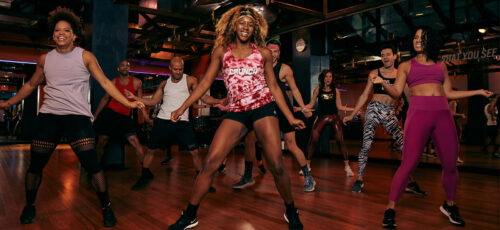
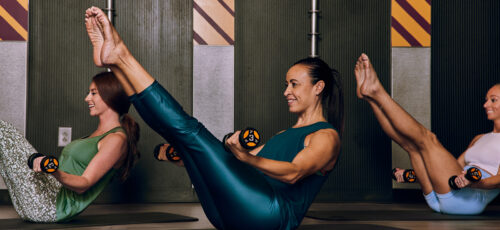
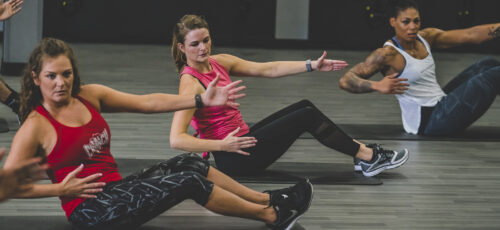
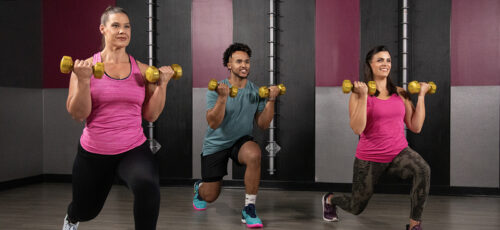
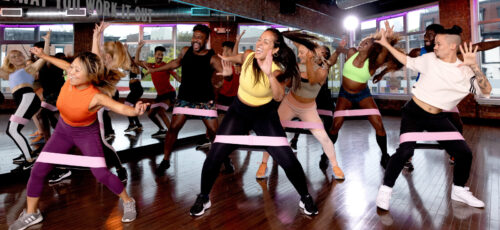
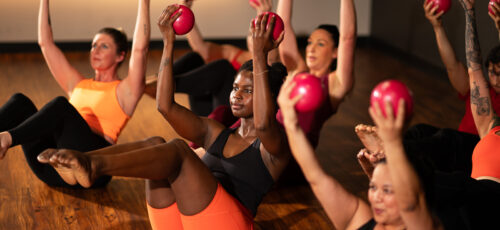
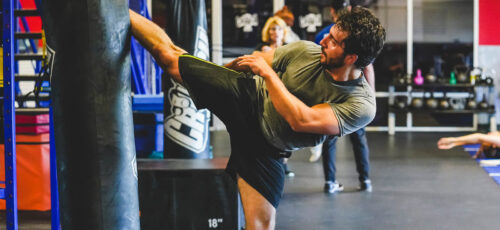
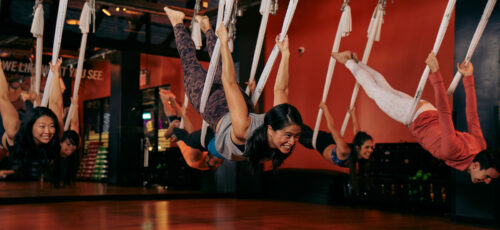
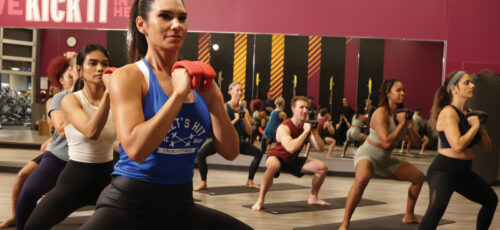
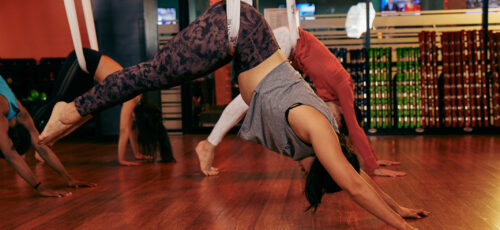
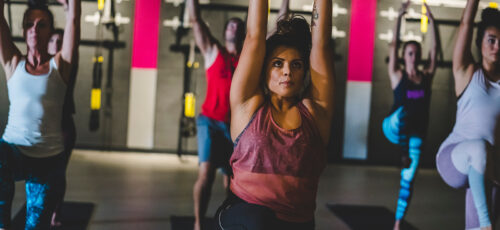
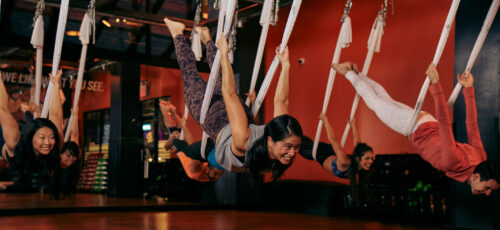
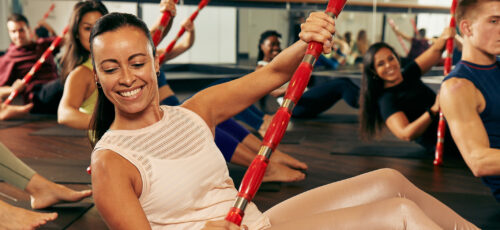
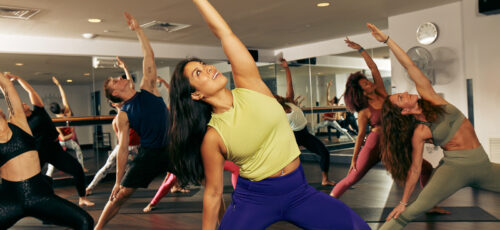
Here are some examples of Crunch Fitness classes where you often can feel the difference between mobility and flexibility during the workout:
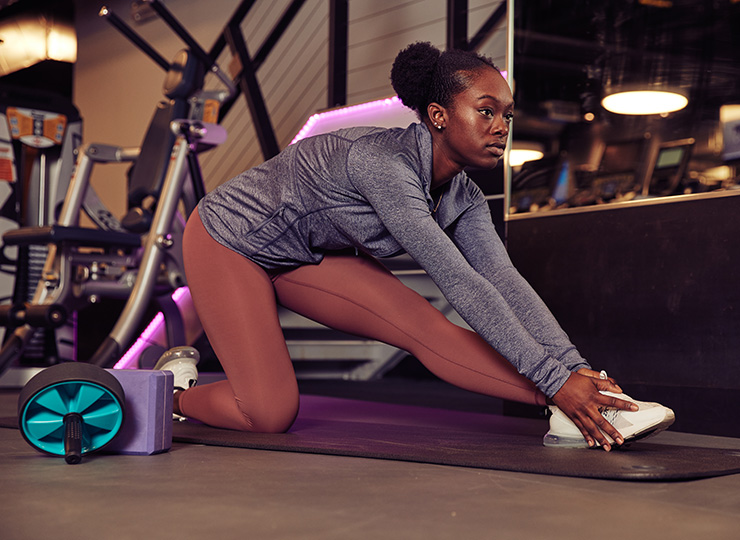
Mobility and flexibility training are now seen as essential parts of fitness. Research shows that both are important for how your body performs, recovers, and moves over time.
One of the biggest mobility training benefits is improved movement quality. Your body moves more efficiently when joints can move properly, and muscles can lengthen without restriction.
This matters during exercises like squats, lunges, presses, and rotational movements, where control and coordination are essential.
Research found that dynamic mobility work may help improve athletic performance by enhancing movement preparation and neuromuscular activation.
That’s why many trainers now focus on mobility exercises during warm-ups instead of just static stretching. Dynamic movements help get your body ready for activity and improve joint control and movement efficiency.
Flexibility also contributes to performance. Muscles that can lengthen effectively may allow smoother movement patterns and better overall range of motion during training.
Discover: Best Hip Flexor Exercises to Improve Mobility & Reduce Tightness
Another major reason people focus on mobility and flexibility is injury prevention.
When the body lacks mobility in one area, it often compensates somewhere else. For example, limited ankle mobility may place extra stress on the knees during squats, while restricted shoulder mobility can increase strain on the lower back during overhead exercises.
A 2012 study suggests that mobility and flexibility training may help reduce injury risk when incorporated into a balanced fitness program.
Flexibility exercises may also help reduce feelings of muscle tightness and discomfort after long periods of sitting or intense workouts.
Let’s be honest: no one wants to hurt their back grabbing a suitcase or feel sore just from sleeping in a strange position.
Good movement isn’t just for workouts. It matters in daily life, too. Mobility and flexibility support your posture, balance, and coordination, and help you move all day.
Simple activities like reaching overhead, getting up from the floor, walking upstairs, or turning your body while driving all depend on healthy movement patterns.
A 2022 article found that mobility training programs can improve physical function and movement capacity in adults.
This becomes even more important as you get older, since stiff joints and less movement can affect your independence and quality of life.
Recovery is another area where mobility and flexibility training can make a big difference.
After intense exercise, flexibility exercises like static stretching may help reduce muscle tension and promote relaxation. Mobility work can also help restore movement quality after repetitive training sessions.
Over time, regular joint mobility exercises may support healthier movement patterns and reduce excessive stress placed on certain joints and muscles.
According to a study, maintaining mobility and flexibility becomes increasingly important for preserving long-term movement and joint health as the body ages.
In the end, mobility and flexibility training isn’t about doing the splits in the gym. It’s about helping your body move better, recover well, and stay active for years to come.
Poor mobility or flexibility does not always announce itself dramatically. Sometimes it shows up in subtle ways during workouts, daily movement, or even while resting.
You might feel stiff after sitting for a long time, have trouble getting into certain exercise positions, or feel awkward doing movements that seem easy for others. If your body always feels tight no matter how much you stretch, it could mean you need to work on mobility and flexibility.
Here are some common signs to watch for:
Poor mobility and flexibility can also affect your posture and breathing. Tight chest muscles and a stiff upper back can lead to rounded shoulders and shallow breathing, especially if you spend a lot of time at a desk.
Consistent mobility exercises, flexibility exercises, dynamic warm-ups, and recovery work can gradually help your body move with more comfort, control, and confidence over time.
Discover: How Improving Flexibility Boosts Your Workout Plan and Supports Fitness Goals
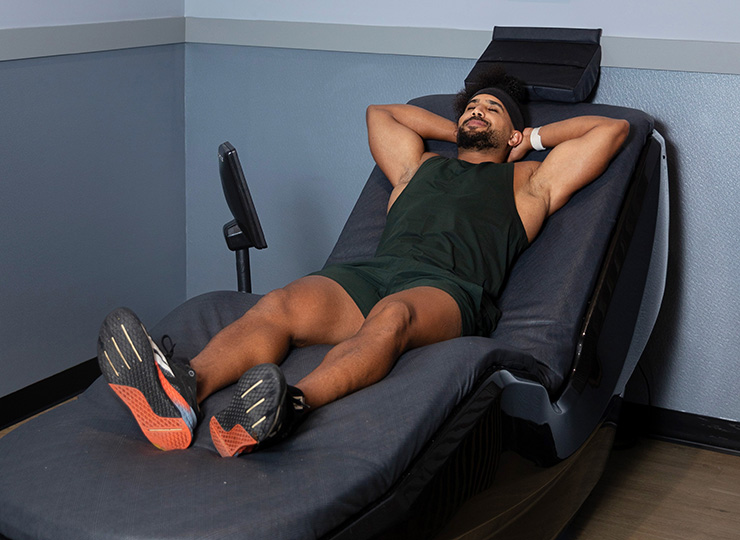
Mobility and flexibility look different for everyone. According to UC Davis Health, elements like inactivity, past injuries, daily habits, and training style can all affect how your body moves over time.
You don’t have to be a fitness expert to get a sense of how your body moves.
Simple movement tests can help you spot restrictions, stiffness, or imbalances in different areas of the body. They can also help you track progress as you improve mobility and flexibility through regular training.
One important rule: never force a movement. These tests should feel controlled, not painful. If something feels strained, tight, or uncomfortable, stop and try again another day.
Here are a few simple ways to check your mobility and flexibility:
Over time, mobility exercises, stretching, and consistent movement training may help improve these positions. Small progress matters. Sometimes the win is not touching your toes. It is simply getting out of bed without feeling like the Tin Man.
Mobility exercises improve joint control, movement quality, and coordination. Unlike passive stretching, these moves keep your body active and help you build stability and range of motion together.
How to Do It?
How to Do It?
How to Do It?
How to Do It?
How to Do It?
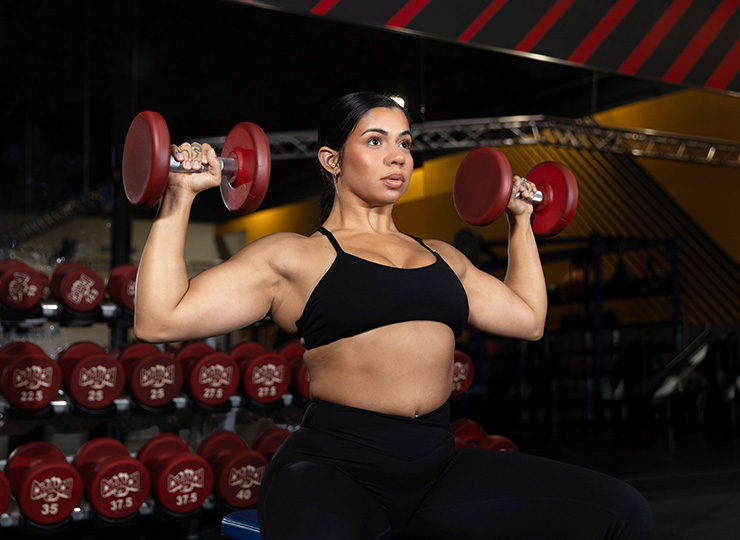
Flexibility exercises focus on stretching your muscles and reducing tension. These stretches are usually held for a short time and work well after workouts or during recovery.
How to Do It?
How to Do It?
How to Do It?
How to Do It?
How to Do It?
How to Do It?
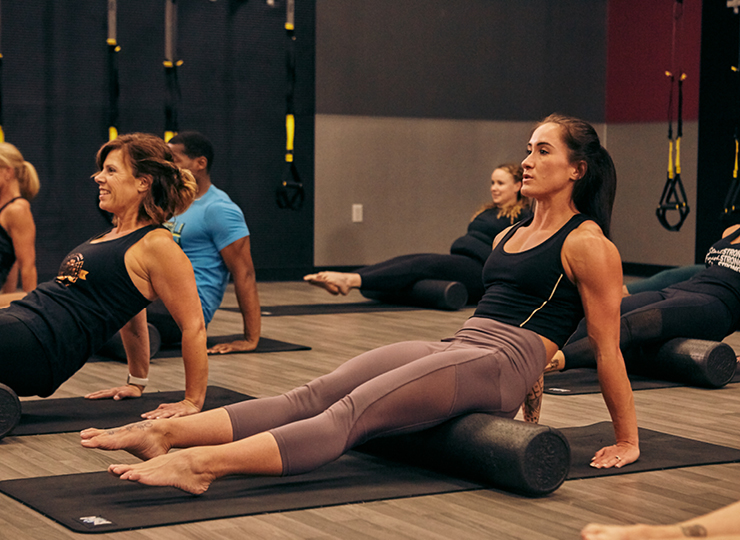
You don’t need to spend hours stretching every day to improve mobility and flexibility. Small, consistent habits often make the biggest difference over time.
Here are seven simple ways to improve both:
One of the biggest contributors to stiffness is inactivity. Sitting for long periods can reduce mobility in the hips, shoulders, and spine. Taking short movement breaks during the day helps keep joints and muscles active.
Starting intense exercise without warming up is risky. Dynamic mobility exercises help get your body ready to move and can improve your workout performance.
Recovery matters just as much as training. Stretching, walking, mobility drills, and low-intensity movement can help reduce stiffness and improve recovery after workouts.
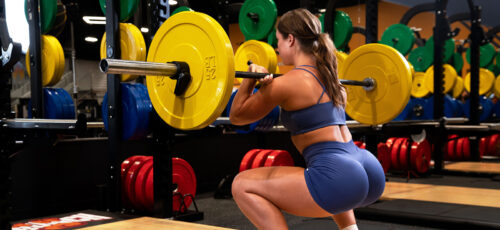
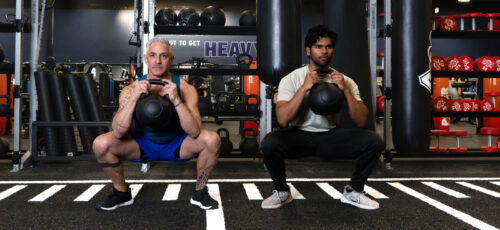
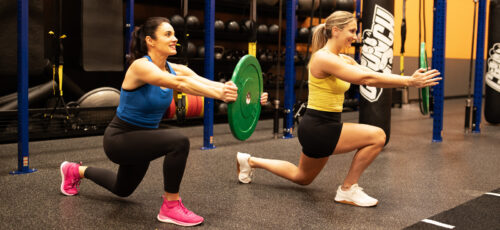
Exercises performed with proper depth and control can naturally improve mobility and flexibility over time. Squats, lunges, overhead presses, and rotational movements all challenge movement quality when performed correctly.
Most people have tighter areas based on lifestyle and training habits. Desk workers often struggle with hip and thoracic mobility, while runners may experience calf and hamstring tightness. Paying attention to these patterns can help create more balanced movement.
Mobility and flexibility improve over time. Doing five to ten minutes regularly is usually better than one long stretching session every month when your back finally starts to hurt.
Many people get stuck debating mobility vs. flexibility. Both are important for healthy movement. Mobility helps you control movement, while flexibility gives you the ability to move.
When you work on both regularly, your body feels stronger, moves more easily, and is better prepared for workouts and daily life.
It’s much easier to improve mobility and flexibility when you have the right support, equipment, and environment. At Crunch Fitness, members can work on movement, recovery, and performance with expert coaching, functional training spaces, and group classes that help the body move better.
One of the hardest parts of mobility and flexibility training is figuring out what your body needs. Some people have tight hips, others have stiff shoulders, limited ankle movement, or poor posture from sitting too much.
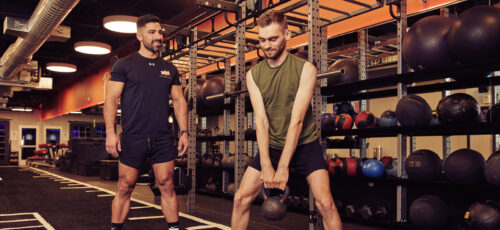
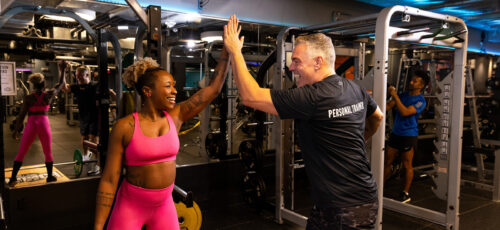
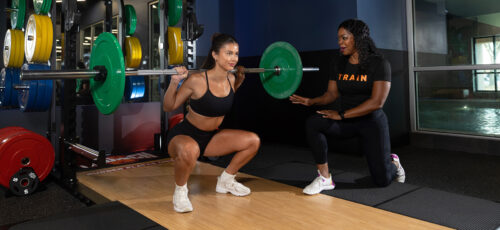
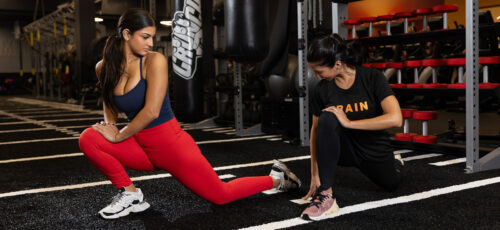
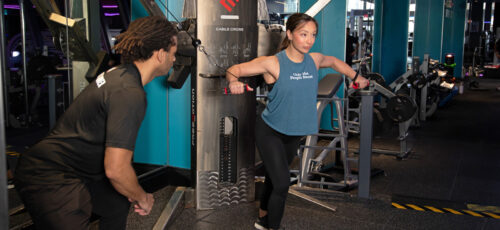
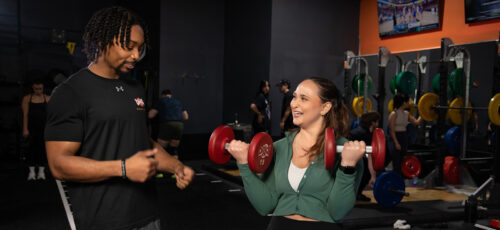
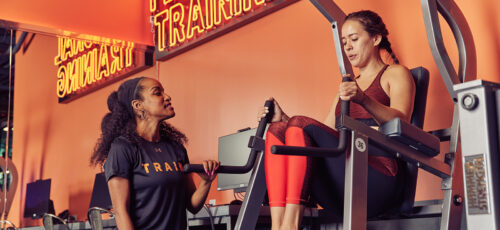
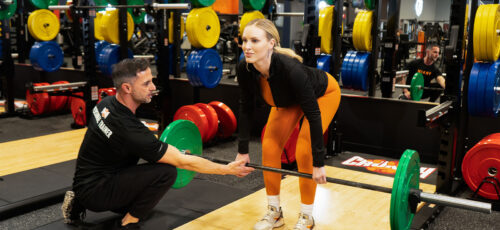
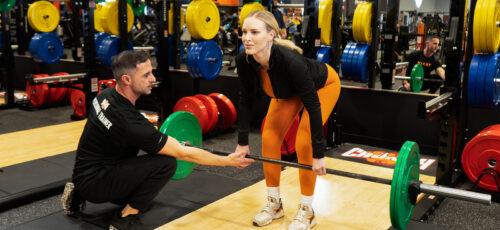
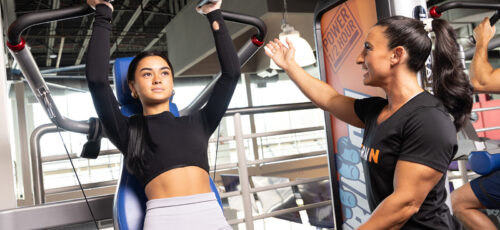
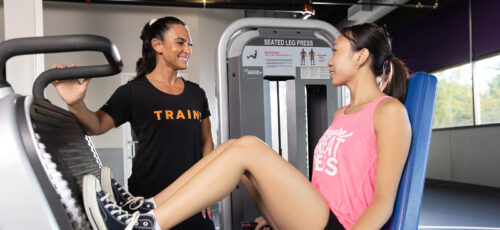
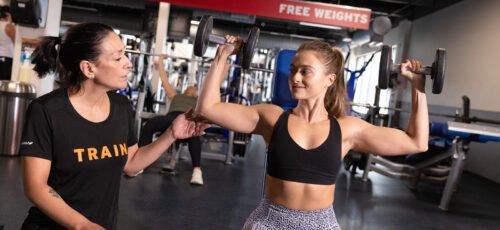
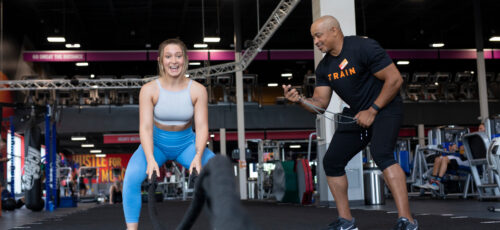
Certified personal trainers at Crunch Fitness can help you find your movement limits and create a plan that fits your goals and workout style. Instead of guessing which stretches to do, you can follow a structured approach that supports both mobility and flexibility.
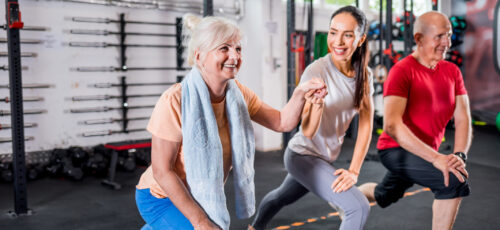
Trainers may incorporate dynamic warm-ups, mobility exercises, functional strength work, and recovery-focused stretching to help improve movement quality and overall performance. This can make exercises like squats, lunges, presses, and rotational movements feel smoother and more controlled over time.
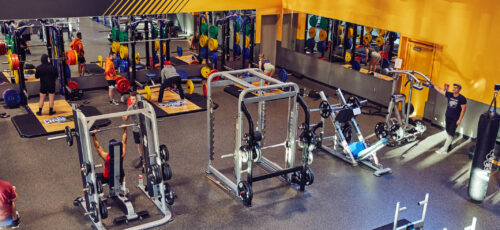
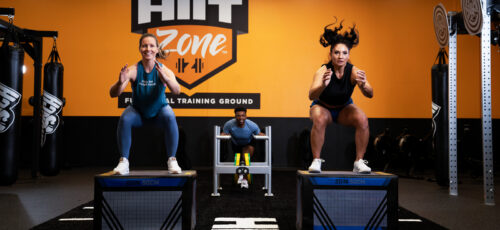
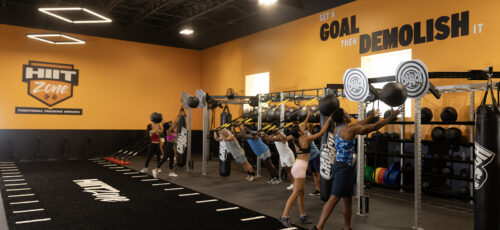
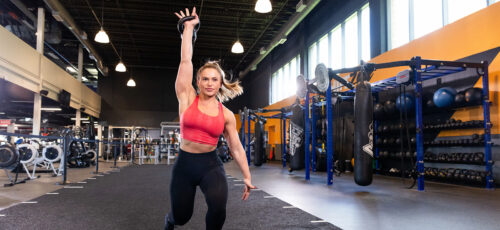
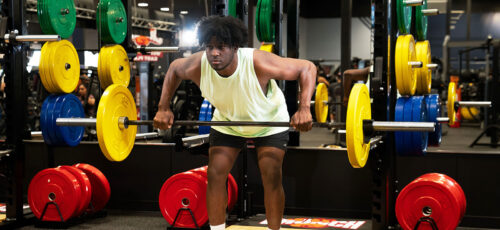
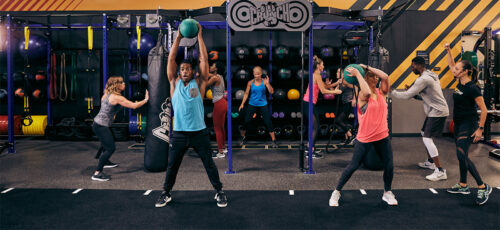
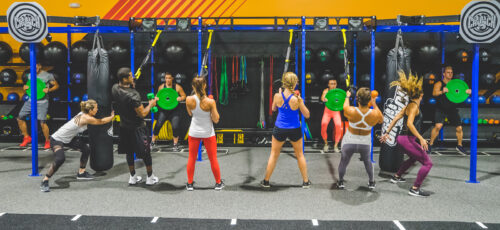
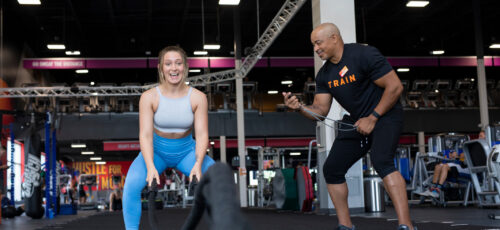
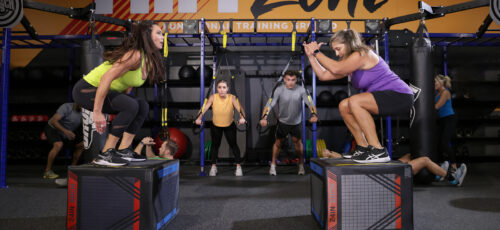
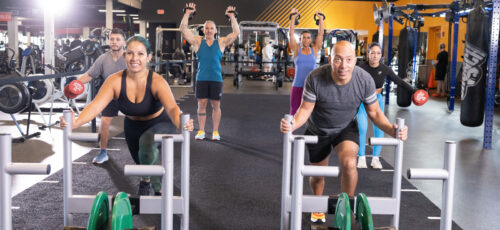
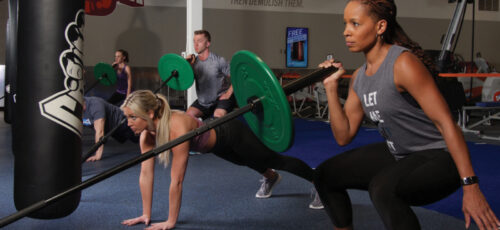
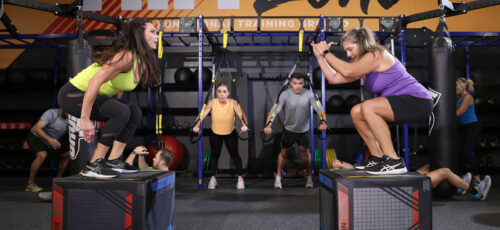
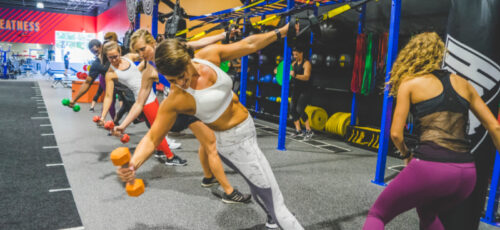
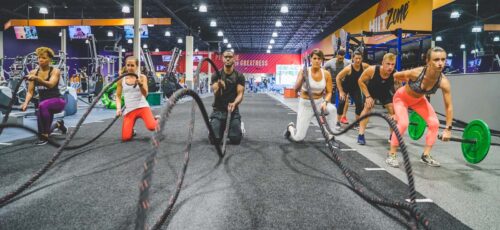
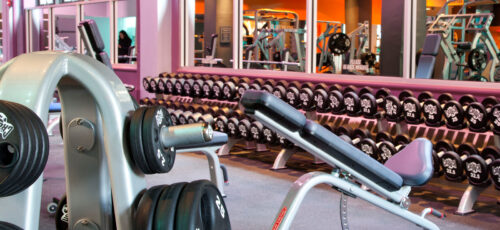
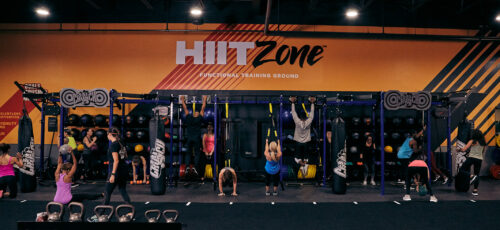
Crunch Fitness locations are designed to support more than just traditional strength training. Functional training zones allow members to work on mobility, balance, coordination, and stability while moving through real-world movement patterns.
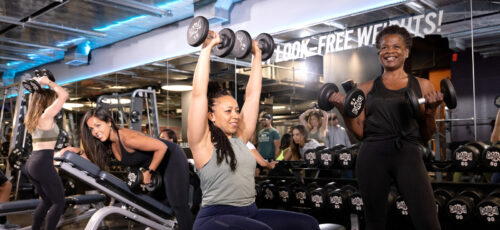
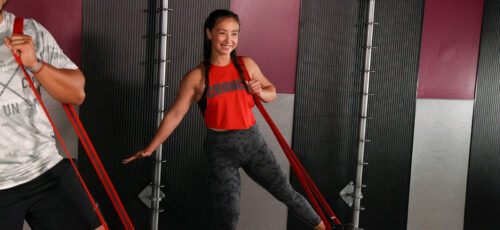
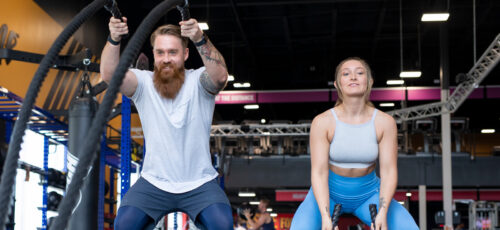
Equipment like kettlebells, resistance bands, TRX®, medicine balls, and foam rollers can all support mobility and flexibility training in different ways. These tools help members build strength through a fuller range of motion while improving body control and joint function.
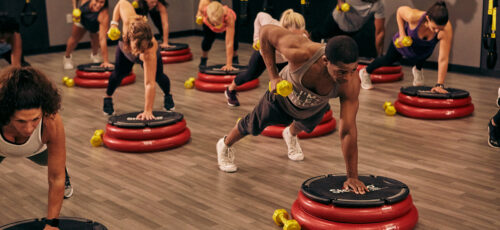
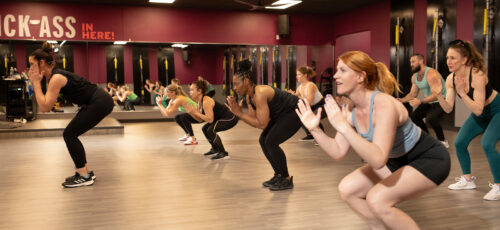
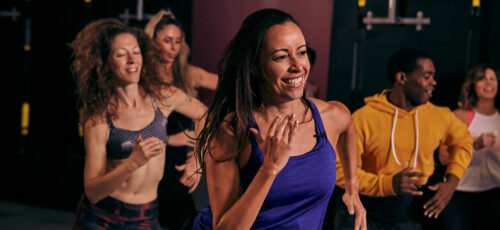
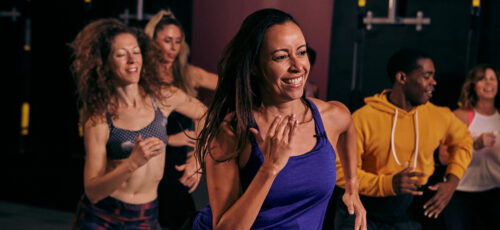
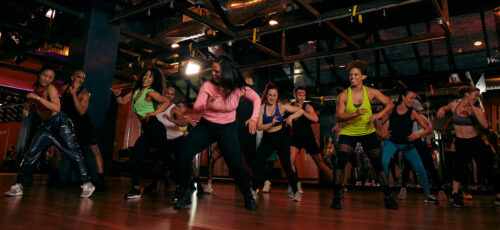
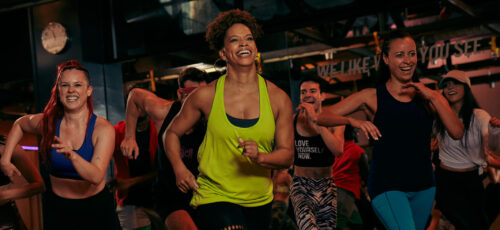
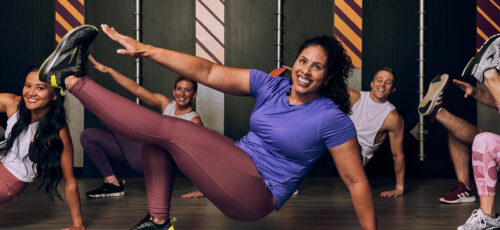
For many people, consistency is easier when movement feels fun and structured. Crunch Fitness offers a variety of classes that support mobility, flexibility, and recovery while keeping workouts engaging.
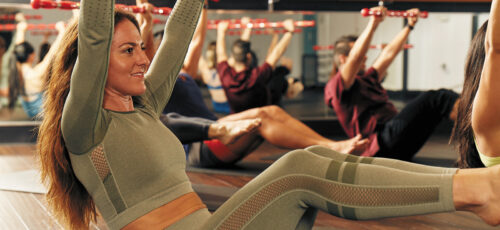
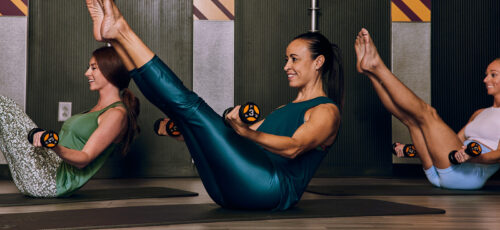
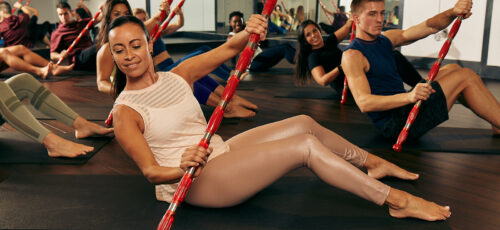
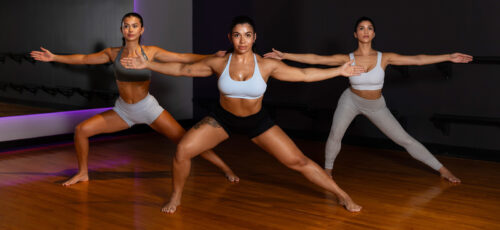
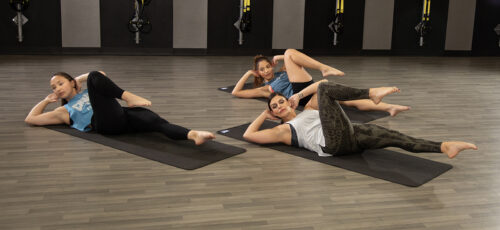
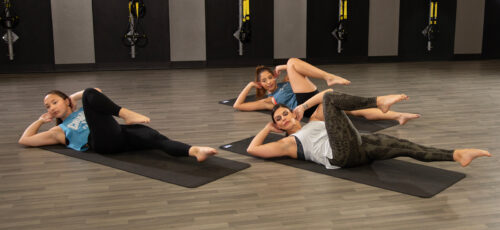
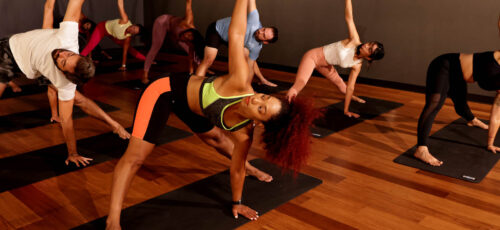
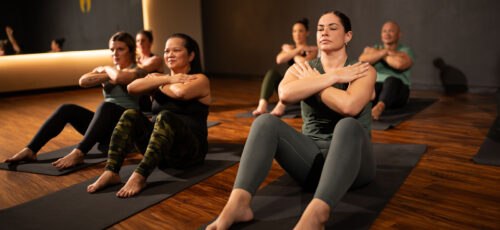
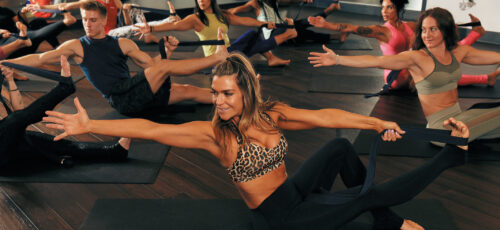
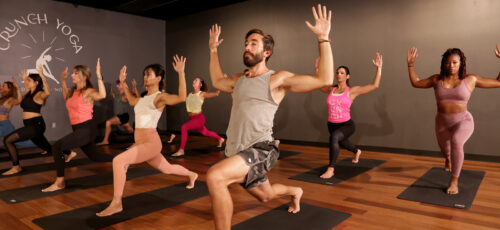
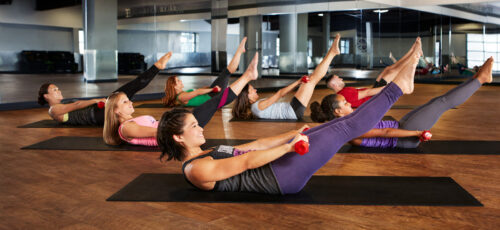
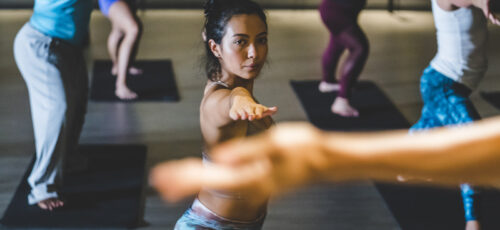
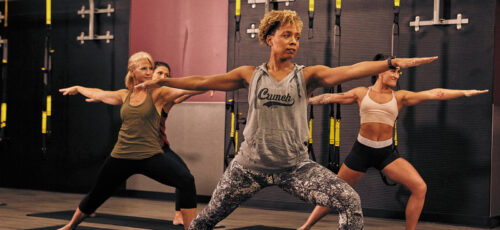
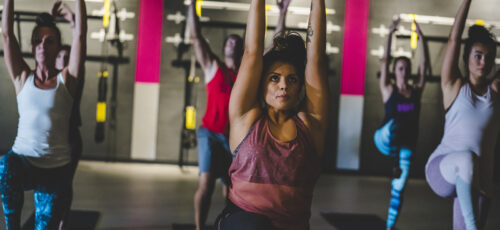
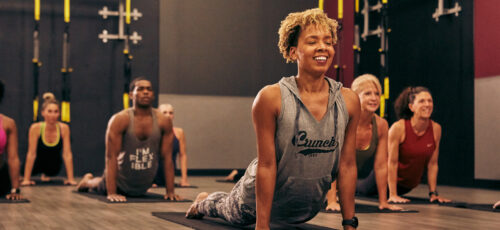
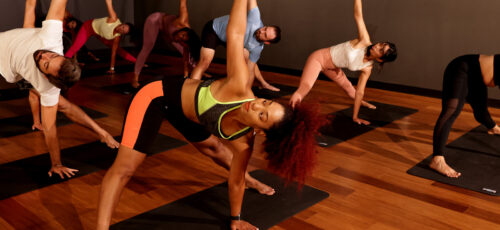
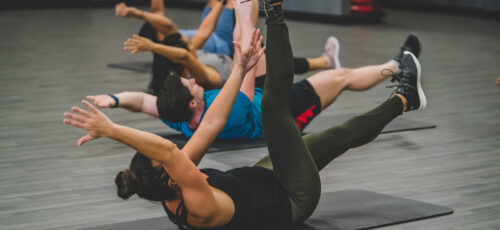
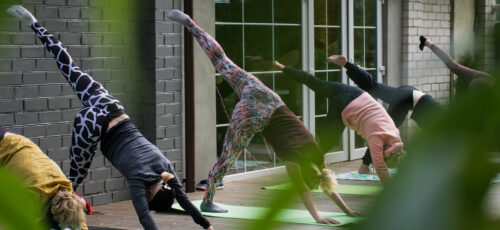
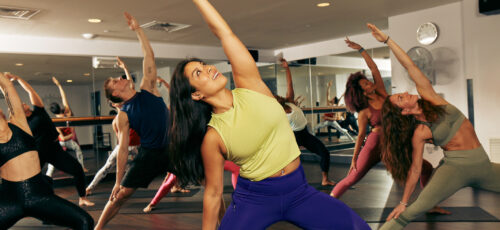
Classes like yoga, Pilates, and stretching sessions combine controlled movement, flexibility exercises, balance, and stability training in a supportive environment.
These classes can improve your posture, reduce stiffness, increase your range of motion, and help you recover after tough workouts. They also make it easier to stick with mobility and flexibility work, which many people miss in their routines.
Crunch promotes a culture of positivity, inclusivity, and fun with no judgments by providing an environment for all individuals, regardless of their health and fitness goals. Find a Crunch gym near you to try our free trial membership, or join Crunch now. We’re here for you – at the gym or at home. Access the best live & on-demand workouts anytime, anywhere with Crunch+. Ready to get sweaty? Try hundreds of workouts for free! Start your free trial now!
Doing mobility training three to five times a week is helpful for most people, even if each session is just five to ten minutes. Regular mobility work can improve how you move, reduce stiffness, and support your workouts in the long run.
It’s usually best to do mobility work before your workout because it gets your joints and muscles ready to move. Flexibility exercises and static stretching are often more effective after your workout, when your body is warmed up.
Yes, mobility training can help you perform better in sports by making your movements more efficient and controlled. Better mobility also supports exercises like squats, lunges, running, jumping, and overhead movements.
The best time to start working on mobility and flexibility is now, no matter your age or fitness level. Building these skills early can help you move better, recover faster, and keep your joints healthy over time.
Mobility and stretching each have their own benefits, so neither is more important than the other. Mobility helps you control your movements, while stretching improves muscle flexibility and range of motion.
Static stretching means holding a stretch in one position for a while. Dynamic stretching uses controlled movements through your full range of motion. People usually do dynamic stretching to warm up and static stretching to recover after exercise.
Yes, you can get better at mobility even if you aren’t naturally flexible. Mobility training is about building strength, control, coordination, and joint movement, not just stretching your muscles.
Many people see small improvements in mobility and flexibility after a few weeks of regular training. Bigger, long-term changes depend on how consistent you are, your activity level, how well you recover, and any movement limits you have now.
Yes, yoga can boost both mobility and flexibility because it mixes stretching, balance, strength, and controlled movement. Many yoga classes also help with posture, recovery, and how well you move overall.
Yes, having good mobility and flexibility can help you use better form, control your movements, and move through a full range of motion during strength training. If your mobility is limited, it can make exercises like squats, deadlifts, and overhead presses harder.
Joining a gym can help you get more flexible and mobile because you’ll have access to equipment, recovery tools, and classes with guidance. Having a set routine and support from professionals can also help you stick with your training.
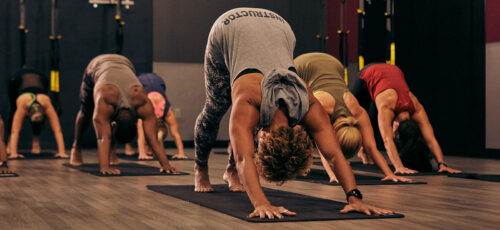
Classes such as yoga, Pilates-inspired workouts, stretching sessions, and BodyWeb with TRX® are great for building mobility and flexibility. They mix controlled movement, balance, flexibility exercises, and training focused on recovery.