









Is Buying an At-Home Bench Press Worth It or Is a Gym Membership Smarter? | Crunch Fitness
June 8, 2026
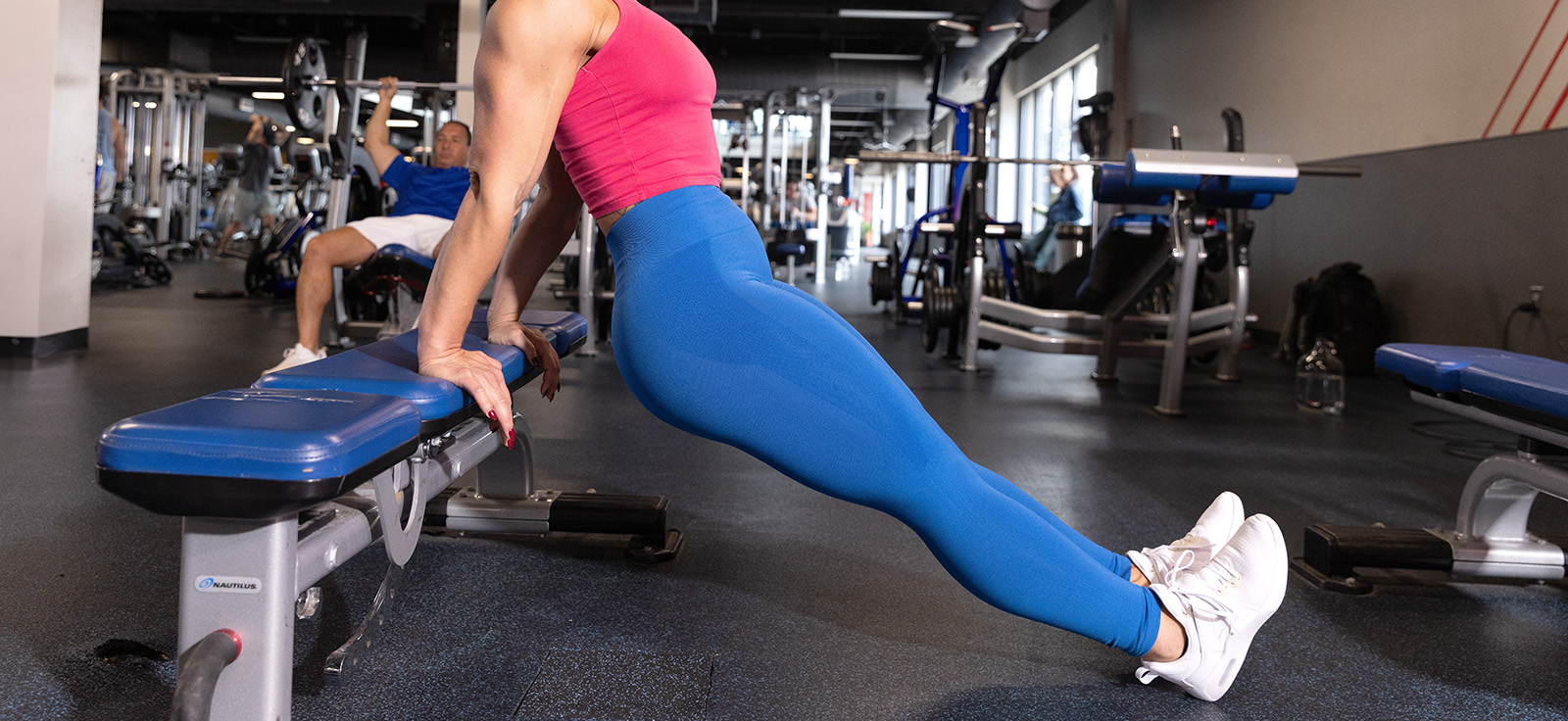
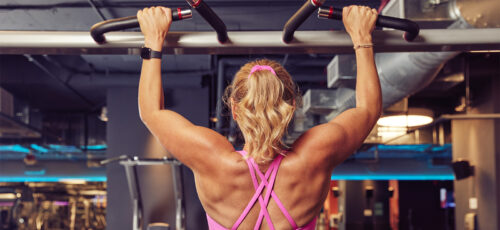
Thinking about building an at-home bench press setup? You’re not alone. With more people exploring the idea of a home gym, it’s tempting to invest in a flat bench, adjustable bench, or even a full bench press setup with a power rack, Olympic barbell & collars, and bumper plates. Add in resistance bands, adjustable dumbbells, and maybe a pull-up bar, and suddenly your garage or spare room starts to look like a complete training space.
But there’s more to consider. A gym membership offers more than just equipment; it provides a complete training environment designed to help you get results.
Gyms have advanced strength equipment, group fitness classes, personal training, and a social atmosphere. All of this helps you stay consistent and make progress over time.
Both options can work, but they fit different lifestyles, budgets, and training goals. If you’re deciding between home equipment or a gym, it’s important to understand the trade-offs.
Let’s look at what really gives you better value, better workouts, and stronger long-term results.
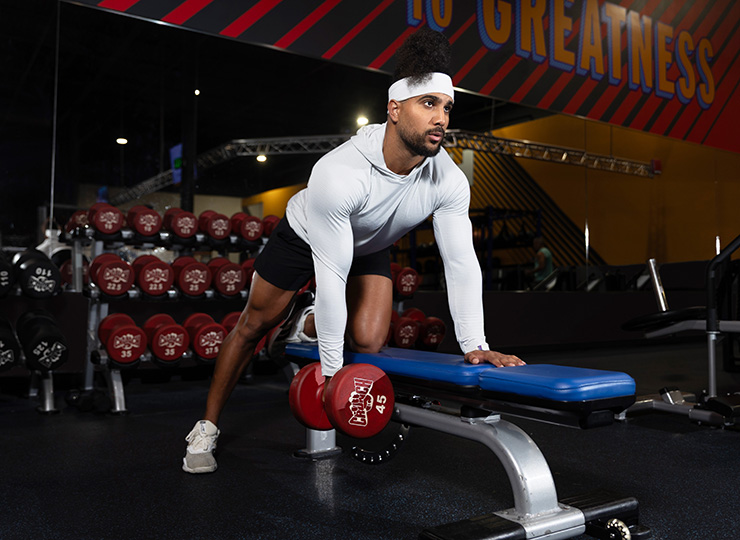
For many people, building a home gym starts with one main goal: convenience. A home bench press setup, like a flat or adjustable bench or even a full power rack with an Olympic barbell and bumper plates, makes it easier to fit strength training into a busy day.
There’s no commute, no waiting for equipment, and you control your training space. It sounds ideal, doesn’t it?
Training at home is becoming more popular. The Global Wellness Institute noted that more people are buying home exercise equipment and creating personal fitness spaces, especially since the COVID-19 pandemic. With Gym memberships getting different prices, a one-time purchase like a bench press or adjustable dumbbells can seem like a smart way to save money over time.
Another big factor is comfort. Some people prefer the privacy of a garage gym or personal space where they can focus on their training goals without distractions. With tools like fitness apps, YouTube channels, and even a smart home gym, it’s never been easier to follow a structured training routine from home.
But does convenience always mean better results?
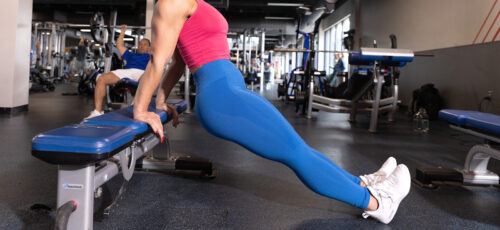
A home setup lets you do exercises like dumbbell presses, push-ups, and Bulgarian split squats, but it can limit your equipment choices and workout variety compared to a gym. That’s why it’s important to think about what will really help you make progress over time.
Choosing between a home bench press and a gym membership usually depends on the results and experience you want. A home setup is very convenient. With a bench, adjustable dumbbells, resistance bands, and maybe a power rack, you can build a strong routine without leaving your house. There’s no commute or waiting, just you and your goals.
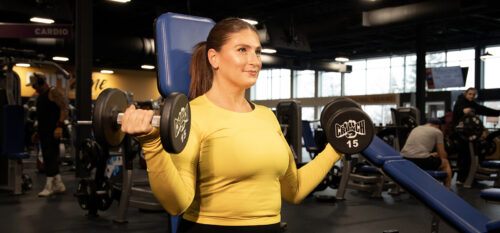
A bench press setup at home can support key movements like dumbbell presses, push-ups, and even some lower-body work. However, it can be limiting when it comes to equipment variety and long-term progressive overload.
Without access to machines like a cable trainer, functional trainer, or dedicated chest press and shoulder press, your workouts may start to feel repetitive, and that can slow down progress.
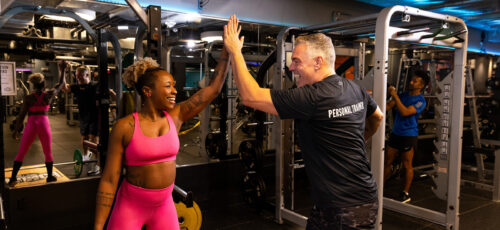
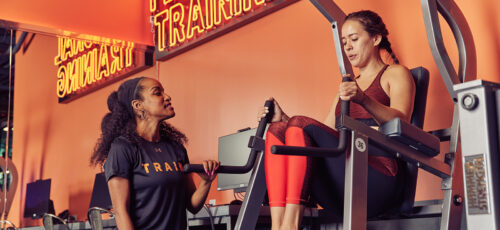
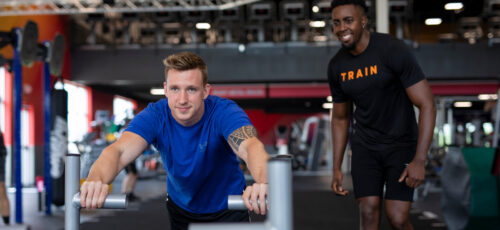
A gym membership gives you access to a full training environment. You get cardio machines like bikes and rowers, advanced strength equipment, and support for full-body workouts. Group classes, personal training, and a social setting can also help you stay consistent and accountable.
Both options can work, but the best choice depends on how you like to train, what keeps you motivated, and how you plan to improve.
An at-home bench press setup can be a great way to start building a home gym, but it takes more than just a bench. To train safely and effectively, you’ll need strength equipment, enough space, and a setup that supports long-term progress.
Many people start with a simple workout bench, thinking it’s enough, but soon realize they need more to reach their fitness goals. So, what else do you need beyond the bench? And how much does it really cost to build a setup for consistent strength training and progress?
Building a functional home setup takes planning, from choosing extra equipment to thinking about safety. It’s not just about convenience. It’s about making sure your setup supports full-body training, good form, and long-term results.
A bench press setup typically requires more than just a flat bench or adjustable bench. To train safely and effectively, most people will need:
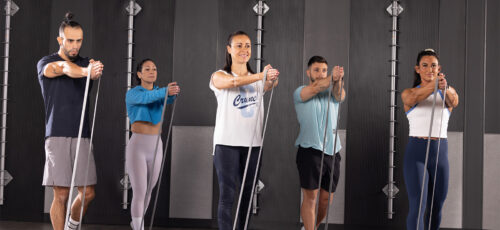
Optional additions like adjustable dumbbells, resistance bands, or a pull-up bar can expand your exercise equipment and help you train more muscle groups.
Without this extra equipment, your workouts may be limited to basic movements. This makes it harder to keep your workouts varied and train your whole body well.
The cost of a home gym equipment setup can vary widely depending on quality and goals:
After the initial investment, there are hidden costs to think about, like upgrading plates, adding new equipment, or replacing worn-out gear. Some people see this as long-term savings, but it’s important to compare it to a monthly gym membership, which often gives you access to a wide range of equipment and amenities.
This is where comparing the real costs of a gym versus a home gym matters most.
Setting up a garage gym or home workout space isn’t always easy. You need enough room for a power rack, safe movement, and proper storage for your equipment. In smaller spaces, these limits can affect what you can include.
Safety is another key factor. Training alone without a spotter raises the risk of injury, especially with heavier lifts like the bench press. That’s why it’s important to have safety features, know your limits, and follow basic safety rules.
You should also consider practical details like noise, flooring, and overall setup. A well-designed space can support your progress, but it takes planning to create a training environment that’s both effective and safe.
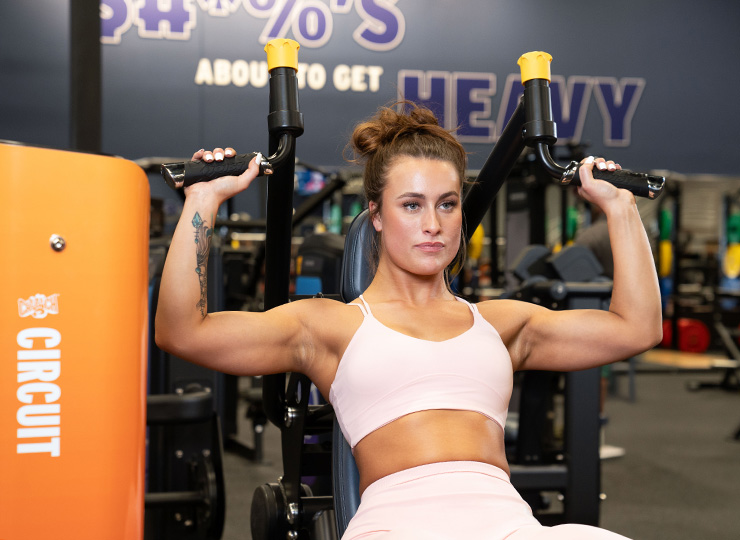
A gym membership gives you much more than just a bench press. It gives you access to a full range of strength training equipment for your whole body. Instead of relying on one exercise, you can switch between free weights, machines, and other tools to keep improving.
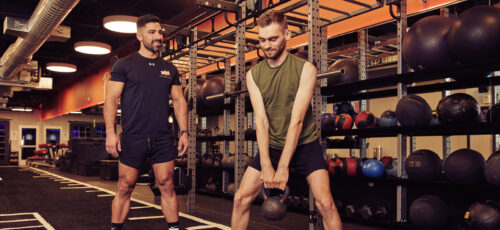
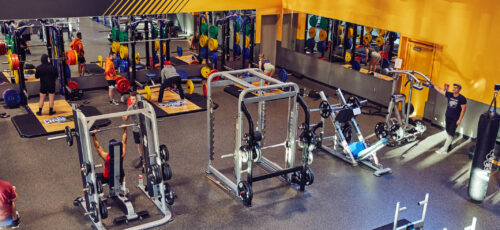
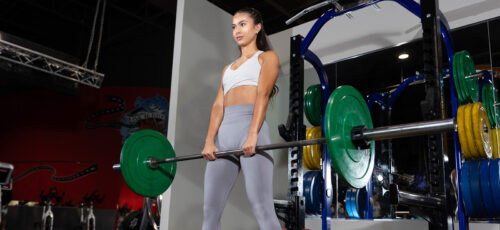
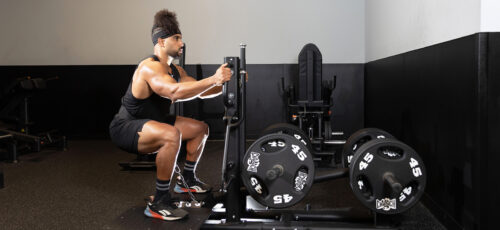
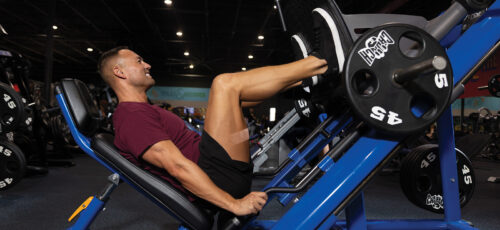
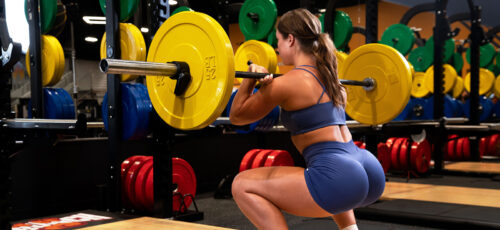
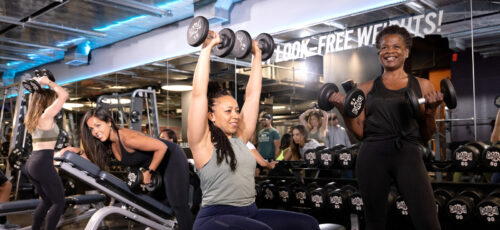
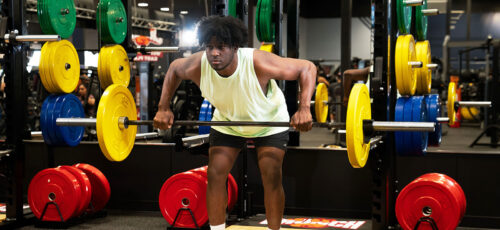
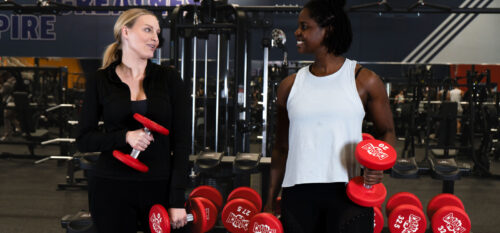
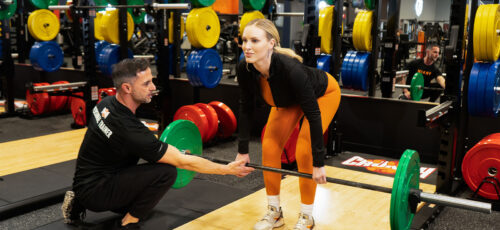
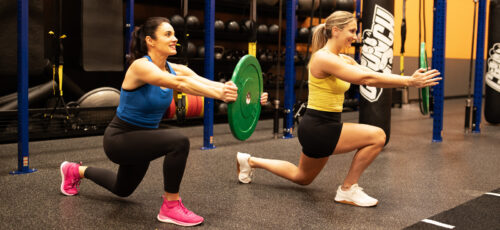
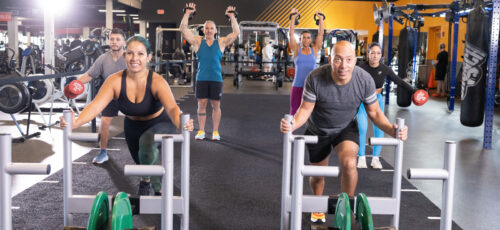
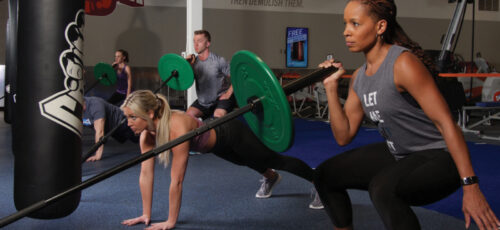
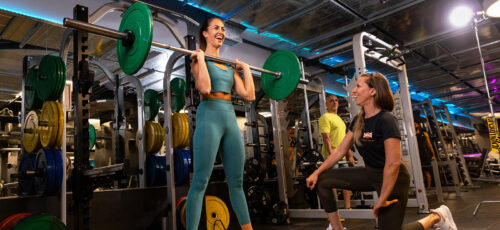
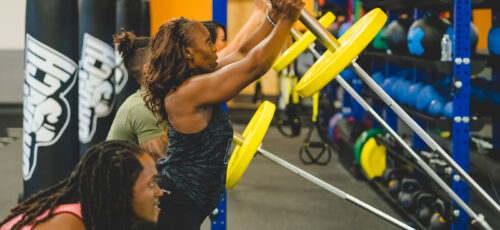
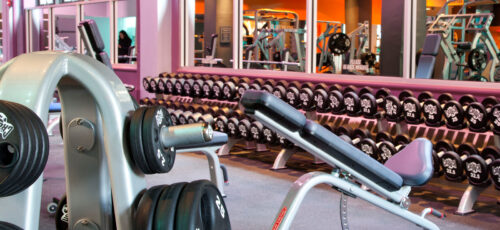
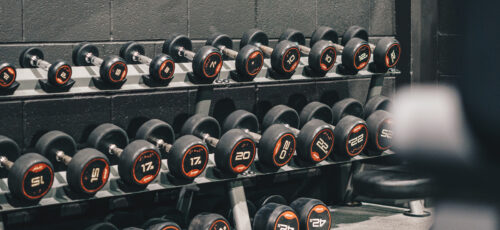
At Crunch Fitness, you’ll find Olympic barbells, bumper plates, squat racks, adjustable dumbbells, and special areas for core exercises. This variety helps you avoid plateaus, improve your range of motion, and build balanced strength over time.
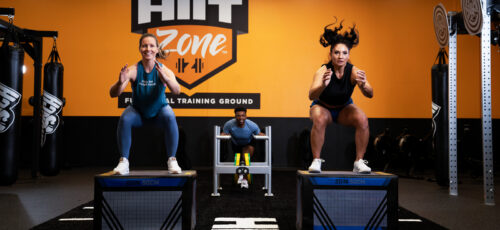
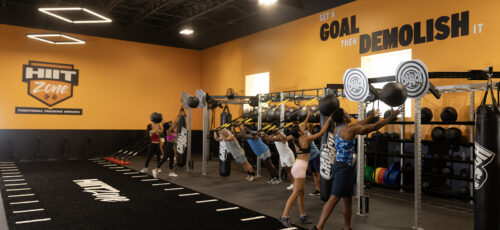
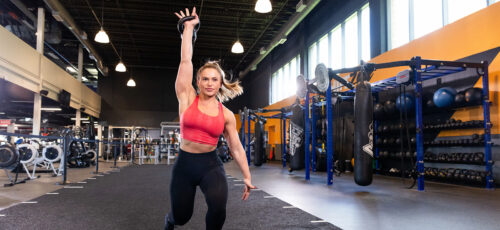
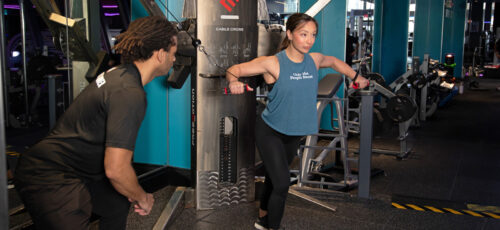
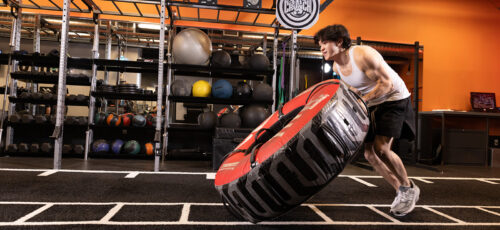
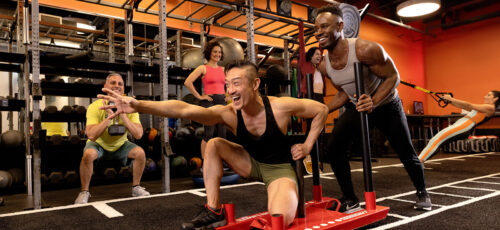
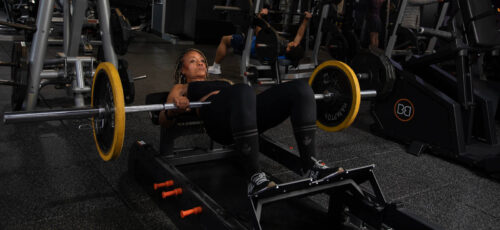
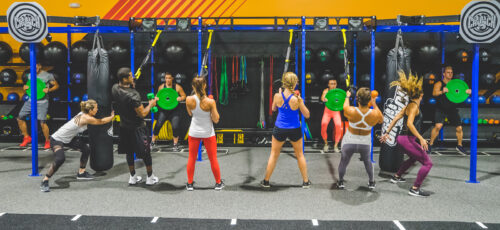
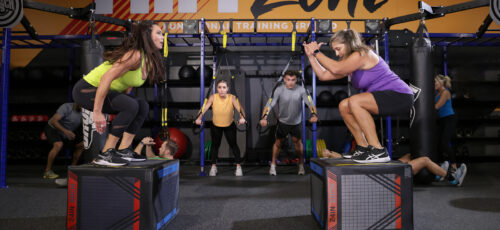
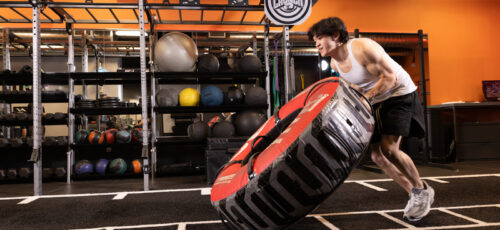
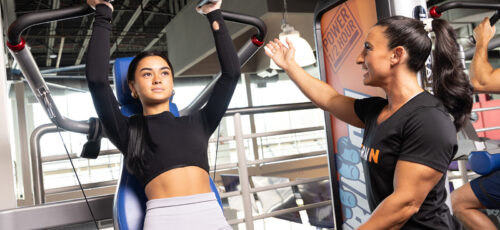
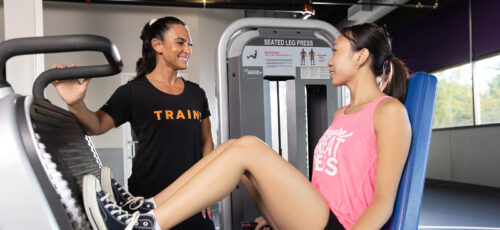
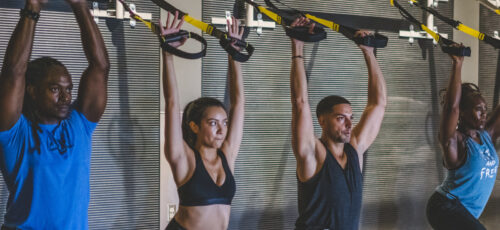
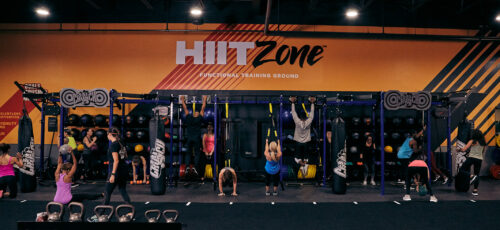
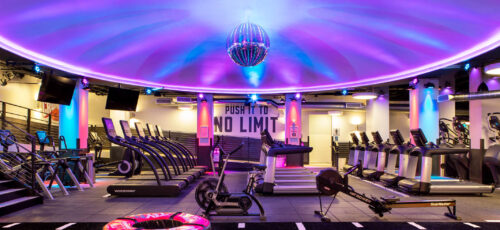
One of the biggest advantages of training in a gym is access to different training styles in one place. Crunch locations are designed with a dynamic training environment that includes cable towers, functional trainers, and selectorized machines like chest press and shoulder press stations. You can also move into functional zones, like HIITZone, for exercises such as hip thrusts, sled pushes, or bodyweight workouts.
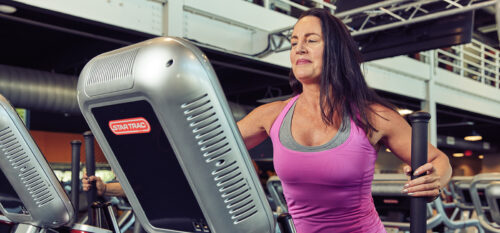
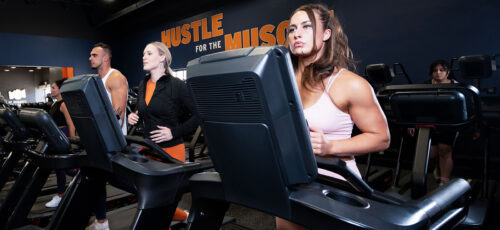
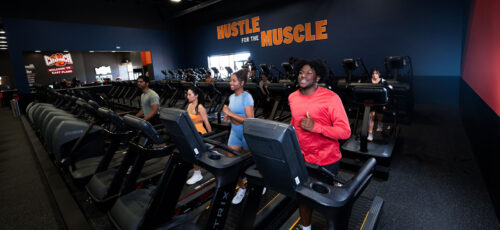
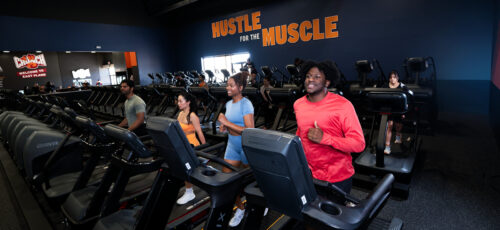
Want to add to your lifting? You’ll also find cardio equipment like rowing machines, ellipticals, and treadmills to help with endurance and recovery. This mix lets you follow a well-rounded program instead of being limited to just a workout bench at home.
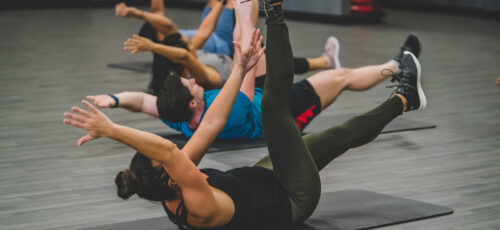
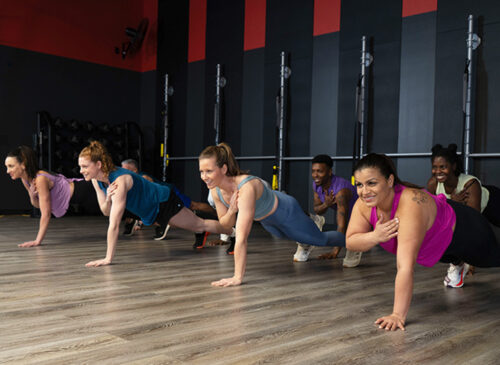
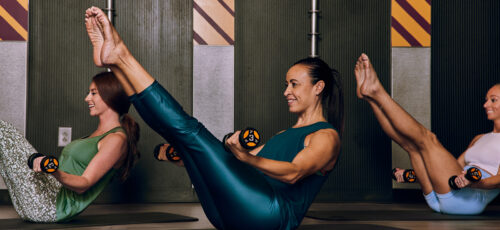
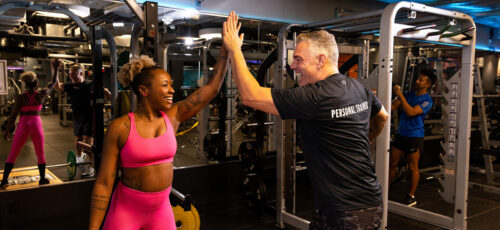
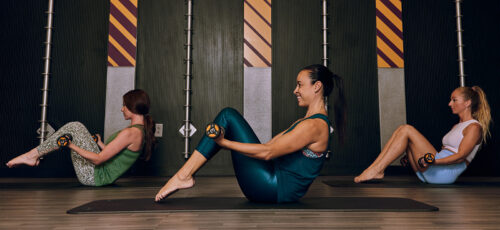
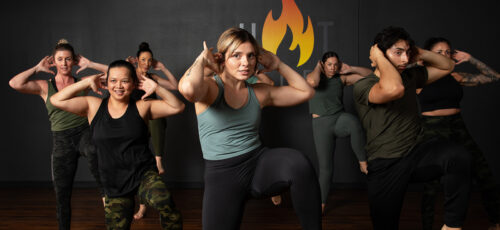
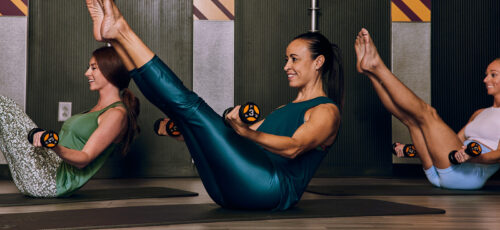
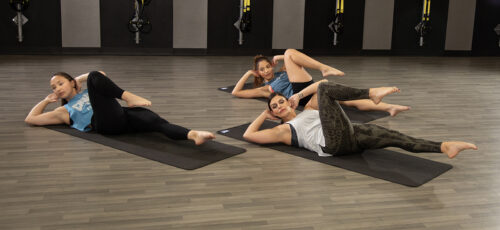
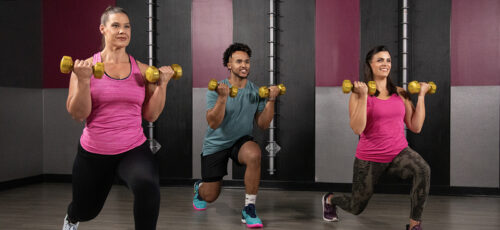
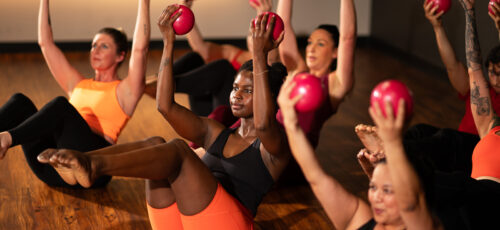
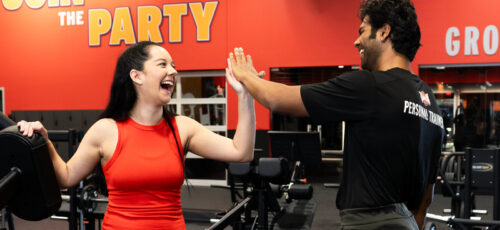
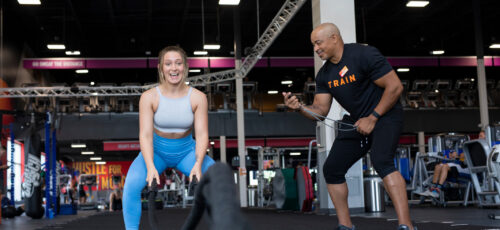
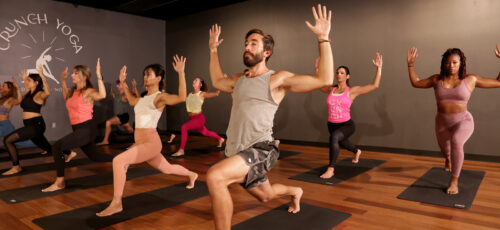
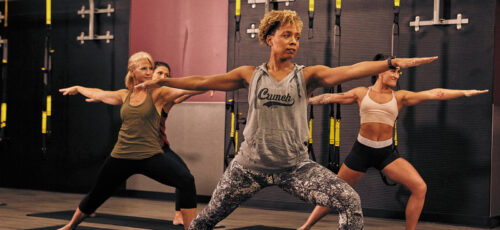
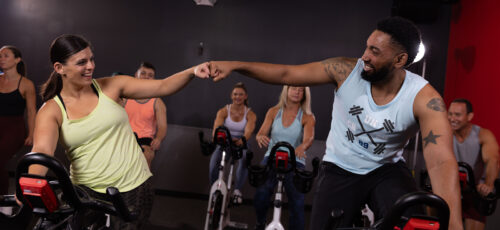
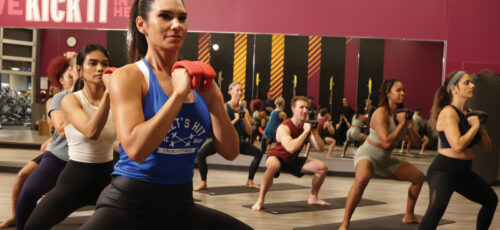
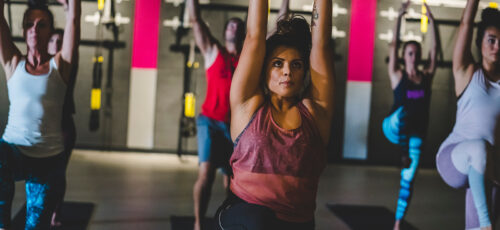
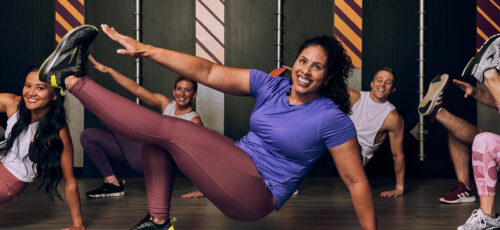
A gym also gives you something hard to get at home: guidance and community. Crunch offers many group fitness classes, from strength sessions like Barbell Bound and Kettlebell Conditioning to high-energy classes like Tabata HIIT and Bosu Bootcamp. These classes add structure, variety, and social motivation to your routine.
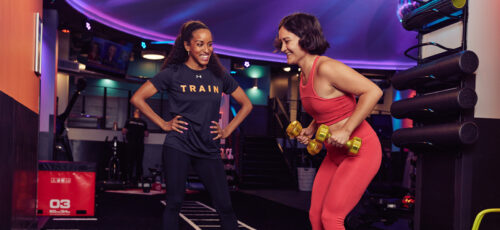
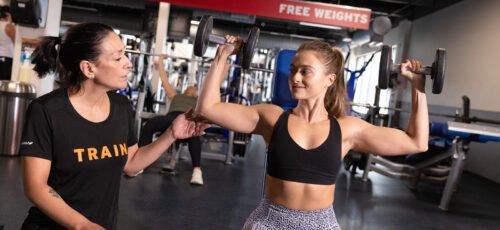
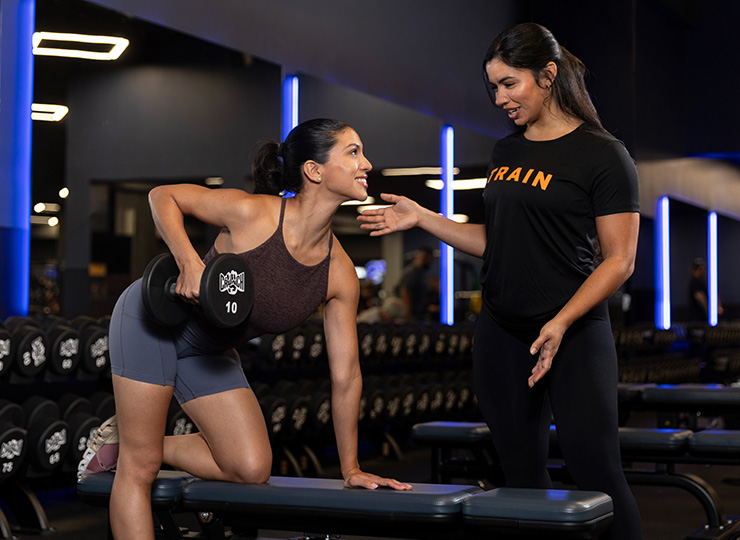
If you’re looking for more personalized support, Crunch also provides personal training and the CrunchONE Kickoff session, where a coach helps you build a plan aligned with your fitness goals. Having access to expert guidance and a supportive community can make a huge difference in your training motivation and ultimately, your results.
When thinking about cost, the real question isn’t just “Which is cheaper?” It’s better to ask, “Which gives me better value over time?” A home gym might seem like a one-time investment, while a gym membership is a monthly cost. But if you look closer, the math and the results can tell a different story.
So, what works better for your budget, space, and fitness goals?
Building a basic bench press setup at home can start at a few hundred dollars, but that’s usually just the start. Add a power rack, Olympic barbell, bumper plates, and maybe adjustable dumbbells, and you could be spending over $1,000.
Now compare that to a gym membership, which usually costs $10 to $50 per month, depending on the gym. This often includes access to strength equipment, cardio machines, and group classes.
Ask yourself:
Read our article: Cheap vs. Premium Gym Memberships: What to Expect at Every Price Point
Here’s where it gets interesting. Over 1 to 3 years, a gym membership might cost $300 to $1,800, depending on the gym. A home gym could cost the same or even more, depending on upgrades.
But cost alone doesn’t tell the full story.
Think about this:
At Crunch Fitness, that same monthly payment gives you access to a full training environment, including free weights, functional zones, and classes, without having to upgrade your setup every few months.
This is where many people don’t realize the true cost of a home gym.
At home, you might face:
And here’s a big factor: consistency.
It’s easy to start strong at home, but what happens after a few weeks? Without group classes, personal trainers, or the energy of a gym, many people find it hard to stay on track.
So ask yourself honestly:
In the end, the smartest investment isn’t just about money. It’s about what actually helps you show up, stay consistent, and keep making progress.
Discover more: Should I Buy Home Gym Equipment or Get A Gym Membership?
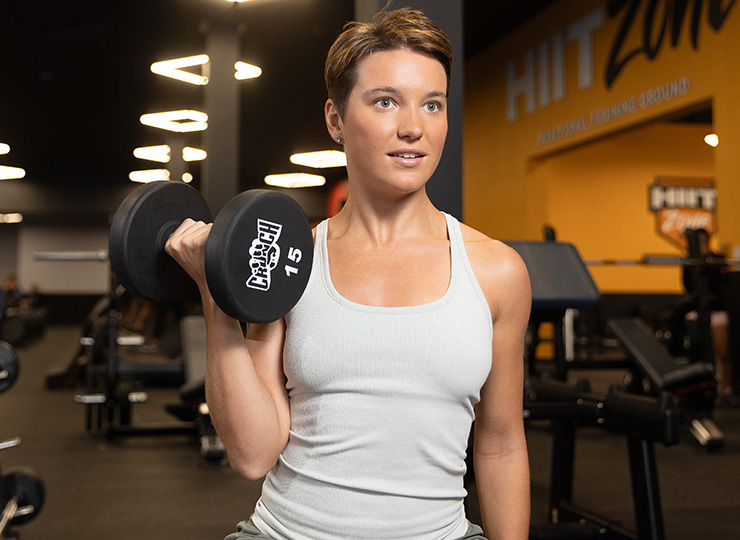
If your goal is to build muscle and strength, it all comes down to one key principle: progressive overload, which means gradually increasing the weight, reps, or intensity over time. At home, this can work well at first. A bench press, adjustable dumbbells, and a few plates can take you far, especially if you’re consistent.
But what happens when you outgrow your setup?
At some point, adding more weight gets harder. You might not have enough plates, or your setup might not safely support heavier lifts. In a gym, it’s much easier to keep progressing. You have access to a full range of equipment, from light dumbbells to heavy barbells, plus machines that help you keep improving even when free weights aren’t enough.
That flexibility makes it easier to stay consistent and keep improving without interruptions.
Building muscle isn’t just about repeating one movement. Your body responds best to variety, with different angles, loads, and movement patterns that challenge your muscles in new ways.
At home, your workouts may revolve around a limited number of exercises like bench press, push-ups, and dumbbell presses. While effective, they mainly target similar muscle groups and can leave gaps in your training.
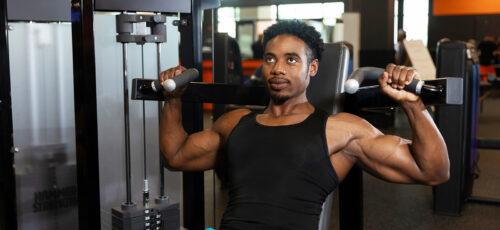
In a gym, you can train your entire body more effectively. You can rotate between chest press machines, cable towers, functional trainers, and free weights to target muscles from multiple angles. You can also add core exercises, lower-body movements like hip thrusts, and pulling exercises to balance your routine.
This kind of equipment variety leads to better overall muscle development and helps lower the risk of imbalances or injuries.
No matter where you train, plateaus happen. The difference is how easy it is to break through them.
At home, hitting a plateau often means you need to buy more equipment or completely change your setup. That can slow down progress and make it harder to stay motivated.
In a gym, you have more options. If one exercise stops working, you can switch to a different machine, change your routine, or get advice from a coach. This keeps your workouts fresh and helps you keep progressing without big interruptions.
So, ask yourself: do you want a setup that works for now or one that grows with you?
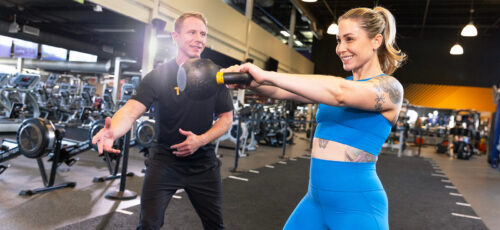
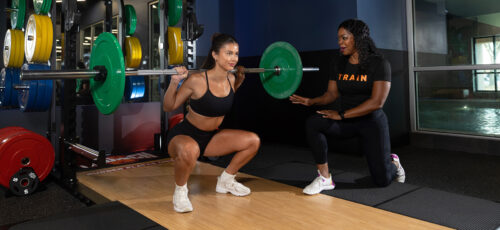
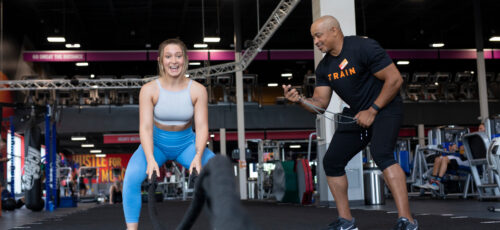
One of the biggest advantages of training at Crunch is having access to expert guidance from day one. With the CrunchONE Kickoff, you’ll work with a coach who helps you build a personalized plan based on your fitness goals, experience level, and current abilities.
Instead of guessing your way through workouts, you’ll follow a structured approach designed to improve strength, technique, and long-term results. This kind of personal training support can help you avoid common mistakes and make every workout more effective.
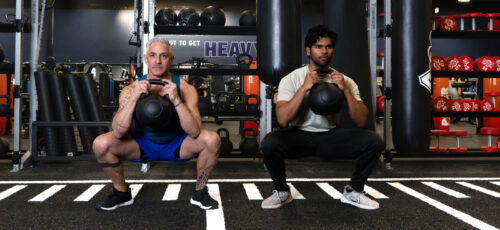
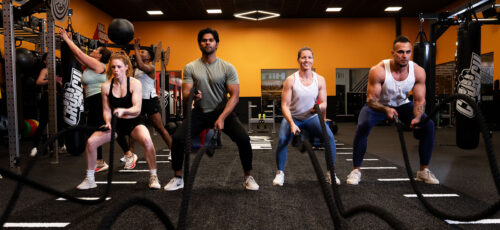
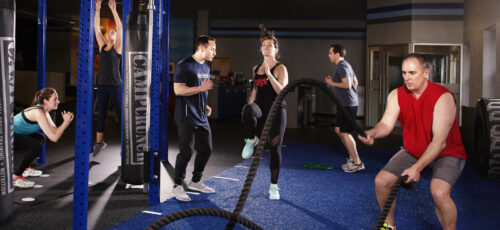
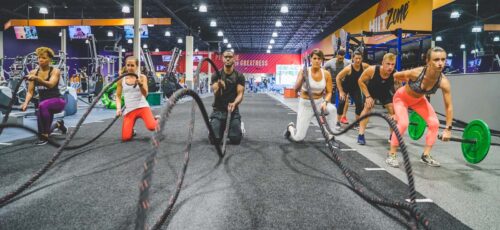
Crunch gyms are built to support every stage of your strength journey. You’ll find everything from free weights and squat racks to advanced functional training zones like HIITZone, where you can train with sleds, battle ropes, and more.
This variety allows you to move beyond basic lifts and train your body in a more complete way. Whether you’re working on upper-body strength, lower-body power, or overall conditioning, you’ll always have the tools you need to keep progressing.
Staying consistent is often the hardest part of building strength, and this is where Crunch really stands out. With a wide range of group fitness classes, you can add structure, variety, and fun to your routine.
These classes create a sense of social motivation that’s hard to replicate at home. You’re not just working out, you’re part of a community that keeps you accountable and engaged.
When you actually enjoy your workouts, showing up gets much easier. That’s what leads to real, lasting results.
Crunch promotes a culture of positivity, inclusivity, and fun with no judgments by providing an environment for all individuals regardless of their health and fitness goals. Find a Crunch gym near you to try our free trial membership, or join Crunch now. We’re here for you – at the gym or home. Access the best live & on-demand workouts anytime, anywhere with Crunch+. Ready to get sweaty? Try hundreds of workouts for free! Start your free trial now!
Pick a weight bench that feels stable, can be adjusted, and matches your workout goals. A sturdy, adjustable bench with comfortable padding lets you do more exercises and helps you make steady progress.
If you only work out once in a while, buying a full bench press setup might not be worth it. A gym membership usually gives you more equipment choices and better value for occasional use.
A weight bench is great for upper-body strength, but by itself, it has some limits. Other equipment like adjustable dumbbells, resistance bands, or a functional trainer give you more ways to work out.
The most affordable way to start strength training is by doing bodyweight exercises and using simple tools like resistance bands or one pair of dumbbells. You could also try a budget gym membership to use more equipment without spending a lot at once.
Lifting weights in a gym is usually safer since you have spotters, trainers, and the right safety gear. At home, lifting heavy without a power rack or safety bars can make injuries more likely.
You can build muscle at home, especially if you’re just starting out. Over time, though, it can be harder to keep challenging yourself. Gyms have more equipment and exercises to help you keep making progress.
You’ll need enough room for your bench, space to move a barbell, and to lift safely. Usually, a small room or garage works. If space is tight, it can limit your setup and how you train.
A gym membership is a good choice if you want more equipment, a structured routine, or access to group classes and coaching. It can also help if you find it hard to stay consistent or need extra motivation.
Gyms that have lots of free weights, machines, and areas for different types of training usually give you the best experience. Try to find a gym with squat racks, cable machines, and space for full-body workouts.
If you already work out at home, choose a gym that offers equipment you don’t have, along with group classes and coaching. This way, you can fill in any gaps and keep your workouts balanced.