









Barbell vs. Dumbbell Training: Which Builds More Strength? | Crunch Fitness
July 19, 2026
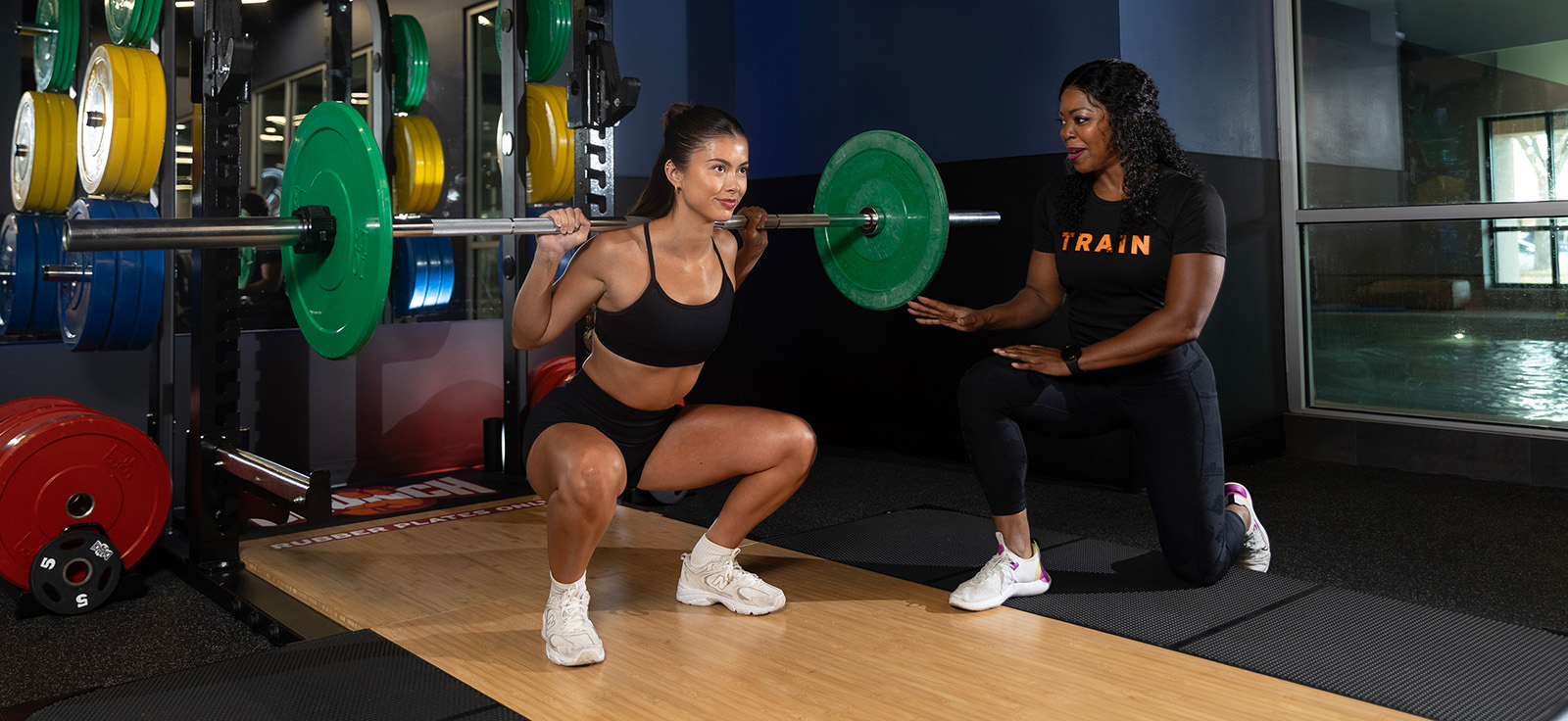
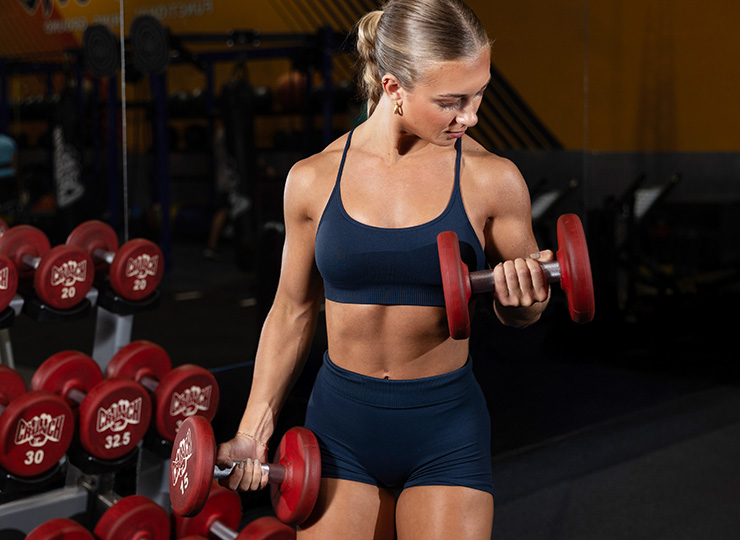
If you visit most gyms, you’ll notice a common debate: barbell vs dumbbell training. Some people rely on heavy barbells to build strength, while others prefer the flexibility and control of dumbbell exercises. Which one is better?
Understanding the difference between barbell and dumbbell training can change how you work out. Barbells usually let you lift heavier weights and target big muscle groups. Dumbbells help you work on stability, coordination, and muscle balance.
This is why choosing between dumbbells and barbells for building muscle isn’t always simple.
This article explains the real benefits and drawbacks of each tool, helping you use them better in your workouts. Whether you’re new to barbells or dumbbells or want to build a better workout plan, using both is often the best way to gain strength and muscle over time.
Crunch Fitness offers both options, expert coaching, and training spaces to help you train confidently.
Let’s begin!
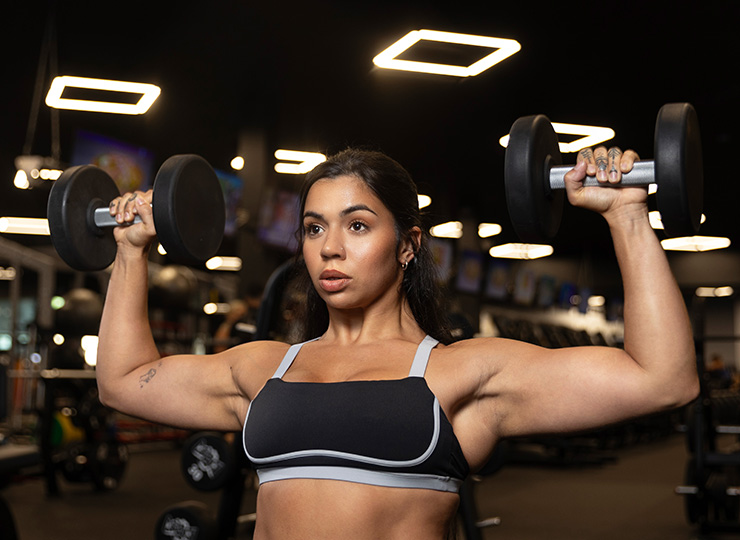
When people talk about barbell vs dumbbell training, they often want to know which one builds more muscle and strength. Both are effective, but they challenge your body in different ways.
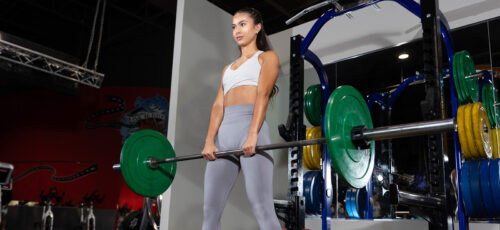
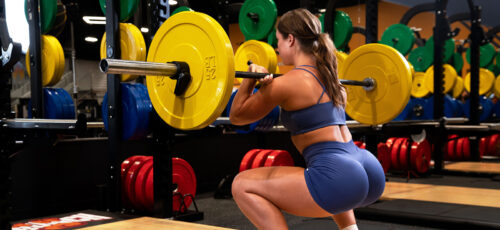
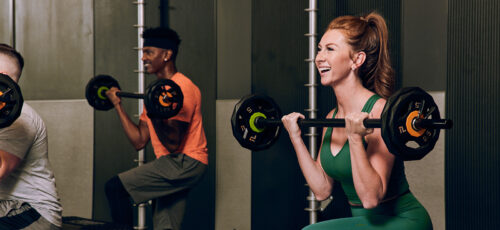
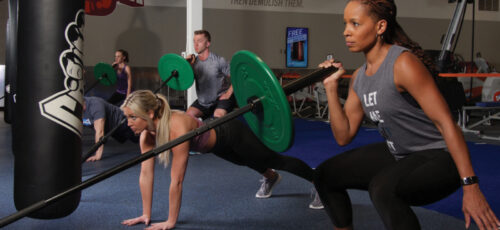
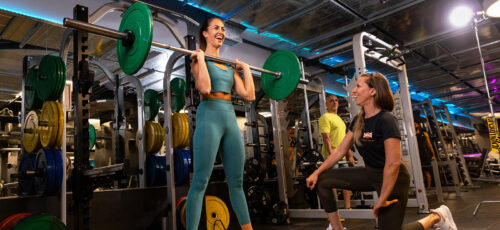
Barbells are long bars, usually 6 to 7 feet, that let both hands lift one weight together. Since both sides work as a team, barbells offer more stability and let you lift heavier weights. This is why many lifters debate using barbells or dumbbells for strength.
Exercises such as squats, deadlifts, bench presses, and rows are classic examples where barbells often help you build more strength. A 2015 study found that barbell movements usually allow for heavier total weight, which is why powerlifters can lift so much.
Barbells make it easier to add weight gradually, which helps you get stronger over time. This steady progress is why many strength programs favor barbells for muscle growth. For more lower-body strength tips, see Crunch Fitness’ Lower Body Strength Training Guide.
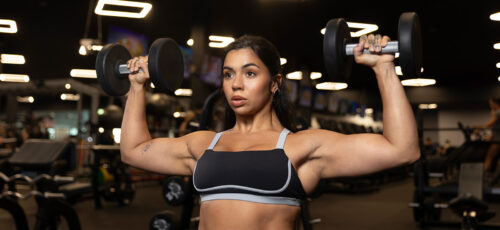
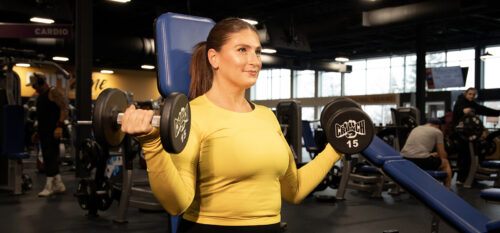
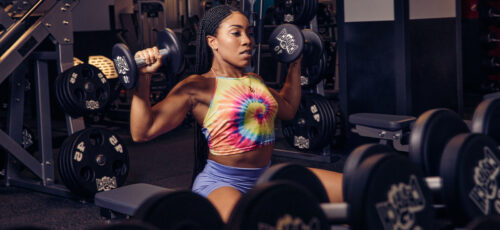
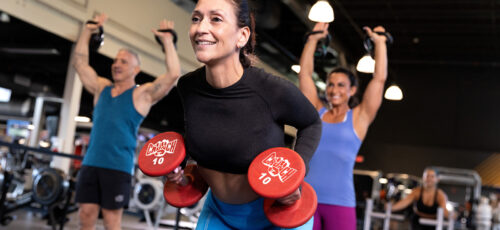
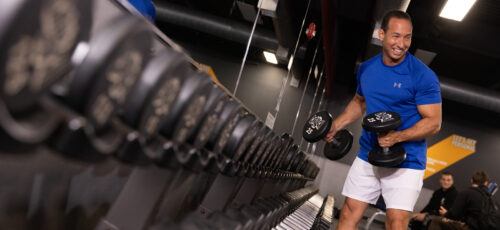
Dumbbells are weights you hold in each hand, so each side of your body works on its own. If one arm is weaker, it quickly becomes obvious. This makes dumbbells great for building balanced muscle.
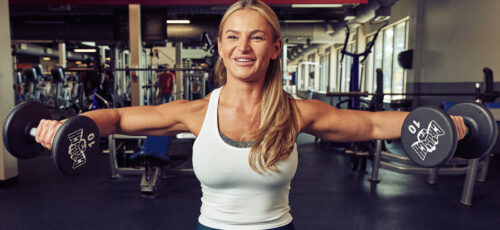
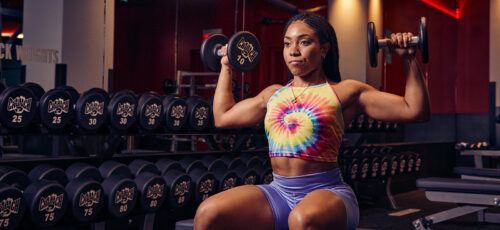
Dumbbells let you move through a bigger range of motion, especially in presses and shoulder exercises. Because each arm moves on its own, your stabilizer muscles work harder to control the weight. This is helpful for single-arm training and for beginners learning good movement and coordination.
Dumbbells are also very versatile. You can use them for lunges, curls, and many other exercises. For more shoulder workout ideas, check out Crunch Fitness’ Shoulder Strength Exercises Guide.
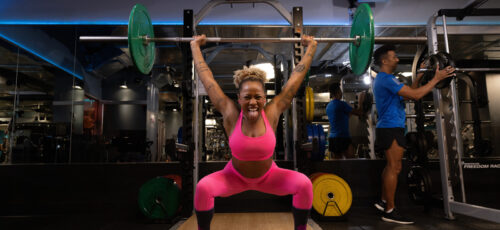
If you want to build pure strength, barbells are usually the best choice. Since both sides of your body work together on one bar, you can lift heavier weights during exercises like squats, deadlifts, and bench presses.
That’s why you don’t see powerlifters using giant dumbbells in competitions.
A major advantage of barbells for strength training is progressive overload. Barbells let you add small amounts of weight, helping you build strength steadily over time.
Benefits of barbell training include:
This is why barbells are often preferred for muscle and strength development, especially for athletes focused on personal records and heavy lifting. Very heavy dumbbells can be hard to stabilize and set up.
However, dumbbells are still great for building functional strength because they challenge your grip, coordination, and stability. For more tips on grip and wrist strength, see What Are Quick Wrist Strengthening Exercises I Can Do Every Day?.
A key difference between barbell and dumbbell training is how they deal with muscle imbalances. With barbells, your stronger side can make up for the weaker side. Dumbbells show these imbalances right away because each side works on its own.
Benefits of dumbbell training include:
This is why using both dumbbells and barbells works best for building muscle. Switching between them helps develop balanced strength, whether you’re a beginner learning new movements or an experienced lifter aiming to avoid injuries.
At Crunch Fitness, certified trainers can help members build customized barbell and dumbbell workout plans that improve strength from every angle. You can also explore What are the Best Core Workouts with Dumbbells for Building Real Strength? for more functional training ideas.
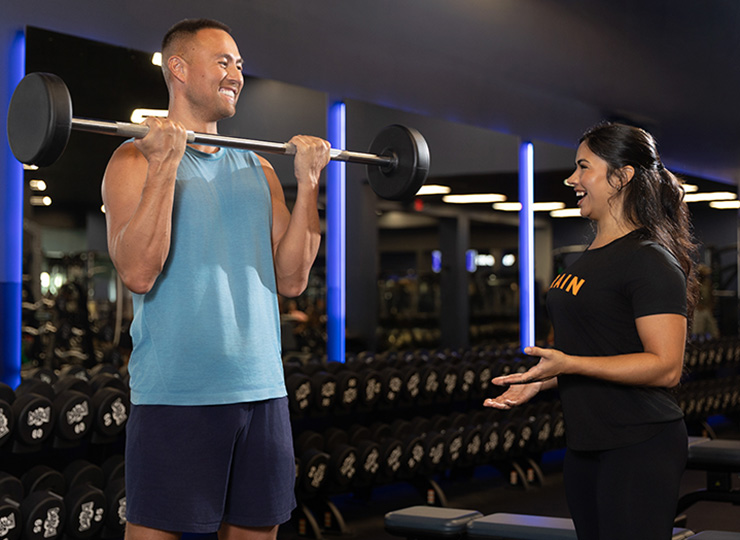 Comparing Muscle Development: Barbell vs Dumbbell
One of the biggest advantages of dumbbells vs barbells for building muscle is the increased range of motion they provide. During movements like dumbbell chest presses or shoulder presses, your arms can move more freely compared to a fixed barbell position. That deeper stretch may increase muscle activation and create more tension throughout the movement.
Dumbbells also require more stabilization since each side works on its own. Your stabilizer muscles, core, and smaller supporting muscles all stay active during these exercises.
Benefits often associated with dumbbell training include:
Dumbbells also allow neutral grip positions and natural rotation, which can feel more comfortable on the shoulders and wrists. Meanwhile, barbells excel at loading muscles with heavy weight, which is one of the primary drivers of hypertrophy. This is why the barbell or dumbbell for strength and size debate usually depends on training style and goals.
Both tools can absolutely build muscle when combined with progressive overload, proper recovery, and consistent training. For a deeper breakdown of muscle growth strategies, check out Which Training Method Is Best: Hypertrophy vs. Strength Training?.
Another major difference between barbell and dumbbell training is exercise variety. Dumbbells offer more freedom for isolation exercises and unilateral movements that target muscles individually.
Dumbbells are especially effective for:
These exercises help fix imbalances and improve coordination by working muscles from different angles. That’s why beginners are often encouraged to use both barbells and dumbbells early on.
Barbells are still the best choice for heavy compound lifts like squats, deadlifts, bench presses, and Olympic lifts where lifting the most weight is important. The best workout programs use both barbells and dumbbells for full muscle development.
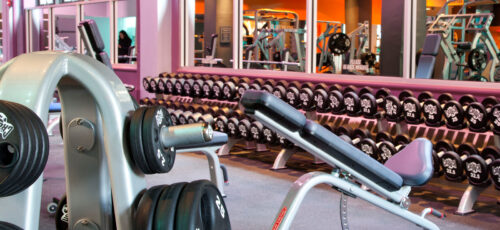
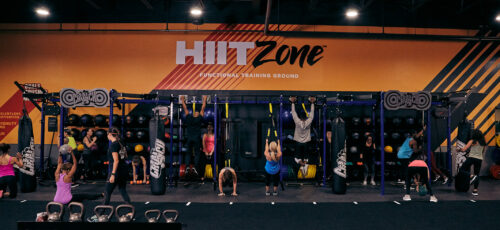
At Crunch Fitness, members have access to full dumbbell racks, Olympic barbells, functional training areas, and expert coaching to help support smarter, more effective training from every angle.
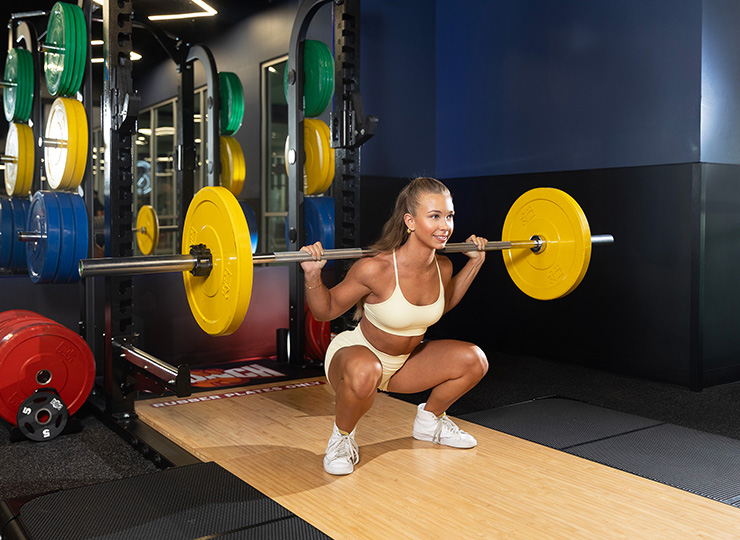
Barbells are built for foundational compound lifts that train multiple muscle groups at once. These movements include:
These exercises form the backbone of many strength and athletic training programs because they efficiently build muscle mass and full-body strength.
Compound barbell exercises help improve coordination and movement throughout your whole body. For example, a heavy squat works not just your legs, but also your core, upper back, posture, balance, and stability.
Some movements are also difficult to replicate effectively with dumbbells. While dumbbell squats and presses absolutely have value, they usually can’t match the loading potential of heavy barbell training.
Discover: What Are the Best Quad Strength Exercises Using Compound Movements?.
If your main focus is increasing maximum strength, barbells are typically the better tool. One of the biggest reasons is progressive overload; the process of gradually increasing weight, reps, or training demands over time.
Barbells make this process simple and measurable because lifters can increase loads in small increments, often as little as 2.5–5 pounds. Those small jumps matter, especially over months or years of training. A person adding just 5 pounds consistently to their squat every few weeks can make massive long-term progress.
This is why barbells are essential in powerlifting and strength-focused programs. Tracking barbell lifts like your:
These benchmarks help you track your progress over time. Reaching a new personal best is always rewarding and shows how much you’ve improved.
At Crunch Fitness, members have access to Olympic barbells, bumper plates, squat racks, benches, and functional training spaces that support every stage of long-term strength progression.
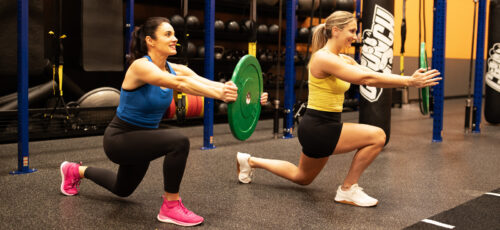
One major difference between barbell and dumbbell training is unilateral work. Dumbbells are ideal for single-arm and single-leg exercises that challenge balance, coordination, and muscle symmetry.
Great unilateral dumbbell exercises include:
These exercises make each side of your body work on its own, which helps reveal and fix imbalances. If one side is stronger, dumbbells will show it right away.
Unilateral training also improves core stability and functional strength, which can carry over into better performance during bilateral barbell lifts and reduce injury risk over time.
Dumbbells also excel during isolation exercises designed to target specific muscles more directly. This is one reason dumbbells vs barbells for building muscle becomes such a close comparison.
Dumbbells are especially effective for:
They also make hypertrophy techniques like drop sets and supersets easier to perform quickly and efficiently. Plus, the increased range of motion and stabilization demands can create additional muscle-building stimulus.
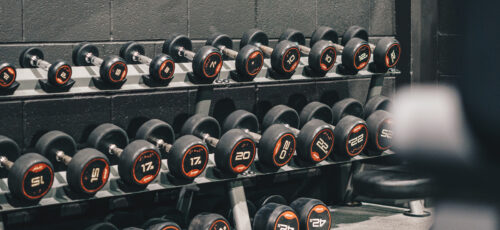
At Crunch Fitness, members can access extensive dumbbell ranges typically from 5–100+ pounds, allowing beginners and experienced lifters alike to build customized hypertrophy-focused programs for complete muscle development.
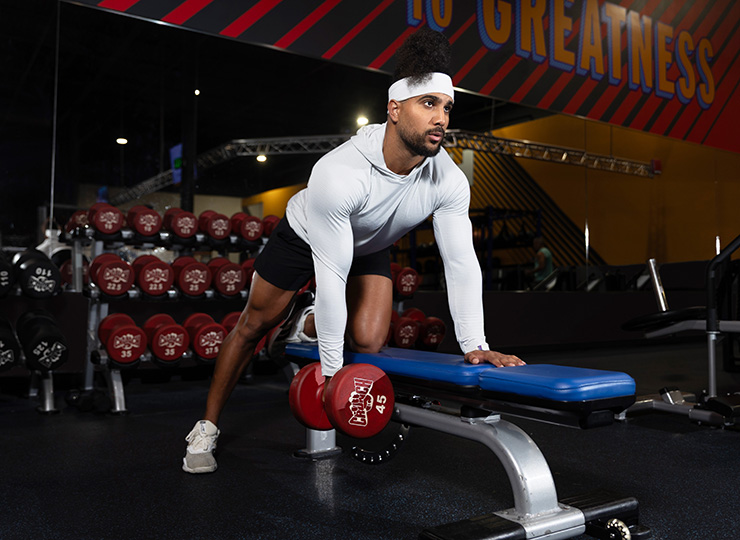
For beginners, it’s not about choosing only barbells or dumbbells. The best approach is to learn how to use both. Many beginners start with dumbbells before moving on to heavier barbell exercises.
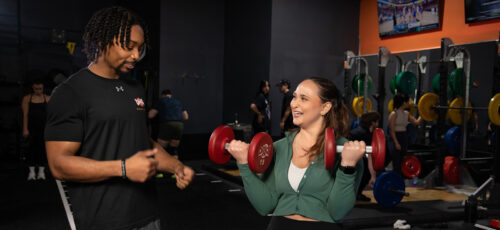
Dumbbells are often recommended for beginners because they help build coordination, body awareness, and stabilizer strength. Since each arm works on its own, you quickly notice any weaknesses. Dumbbells also feel less intimidating than starting with a heavy barbell.
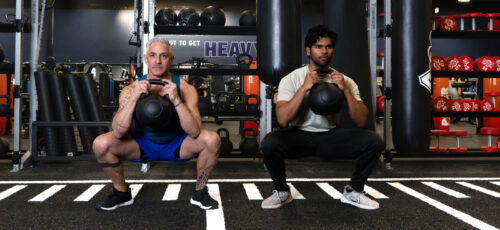
Exercises like dumbbell chest presses, rows, shoulder presses, goblet squats, and lunges allow beginners to safely practice movement patterns with lower injury risk. Dumbbells also make it easier to adjust positions naturally and move through a comfortable range of motion while learning technique.
A balanced beginner program that combines both tools often creates the best long-term results. For more guidance, check out: Beginner’s Guide to Strength Training
A common mistake is sticking to only one tool and ignoring the others. Using only barbells can limit your stability and single-side strength, while using only dumbbells may limit your maximum strength gains.
Another issue is lifting weights that are too heavy just to look impressive, which often leads to poor form. This can cause injuries that last much longer than the moment of showing off.
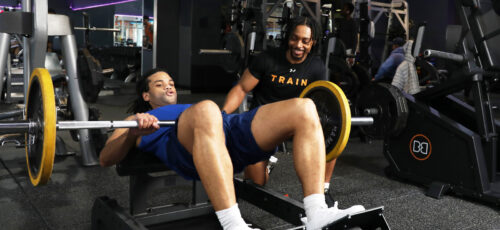
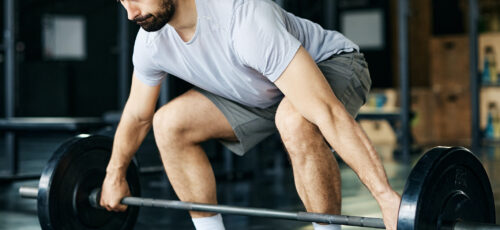
Barbells also require proper technique and safety awareness, especially during heavy compound lifts. Attempting advanced barbell exercises without mastering movement patterns, or without spotters when needed can increase injury risk significantly. Progressing too quickly before building proper control is another common error.
At the same time, dumbbells require stabilization and movement control because they don’t provide the fixed path that barbells do. Poor form during dumbbell exercises can place unnecessary stress on joints and supporting muscles if lifters move too fast or lose control.
Common mistakes include:
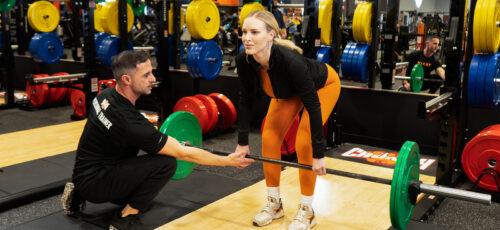
Both tools can be highly effective, but both can also lead to injury when used improperly. That’s why proper coaching matters. At Crunch Fitness, trainers help members safely learn barbell and dumbbell techniques while building smarter, more functional strength programs. You can also explore Crunch Fitness’ Functional Strength Training Guide to better understand how balanced training supports long-term performance and injury prevention.
If you’re just starting out, doing a full-body workout three times a week is usually the best way to go. This schedule gives you enough practice with each exercise and still lets your body recover between sessions.
Beginners get the most out of doing about 3 sets of 8 to 12 reps. This range helps you build strength, coordination, and muscle at the same time.
A sample beginner workout could include:
How to Do it?
Recommended: 3 sets of 10 reps
How to Do it?
Recommended: 3 sets of 8–12 reps
How to Do it?
Recommended: 3 sets of 10 reps
How to Do it?
Recommended: 3 sets of 10 reps
How to Do it?
Recommended: 3 sets of 10 reps
How to Do it?
This kind of program teaches the basic movements without making things too complicated or using heavy weights, so beginners don’t feel overwhelmed.
For example, beginners can start with dumbbell Romanian deadlifts to learn how to move their hips correctly and keep their core steady before moving on to heavier barbell deadlifts. Dumbbell chest presses and single-arm rows are also great for building coordination, balance, and upper-body strength.
The order of exercises is important. Start with bigger compound movements when you have the most energy, then move on to smaller accessory or isolation exercises. Put the tougher moves first, before you get too tired.
For more beginner-friendly ideas, check out The Best Fitness Program for Beginners.
As you get more experienced, your workouts can become more focused. Many intermediate lifters like to use a 4-day upper and lower body split, mixing heavy barbell lifts with dumbbell exercises to build muscle.
A sample structure may look like this:
This approach works well because you focus on heavy barbell lifts first to build strength, then use dumbbell exercises later in the workout to add more reps and target specific muscles.
When you want to get stronger, it’s common to do 4 to 6 reps per set. For building muscle with dumbbell exercises, aim for 8 to 15 reps to get the best results.
Progressive overload remains essential at every level. That may include:
Discover more: What’s the Best Strength Training Gym?.
No matter if you use barbells or dumbbells, always put safety and good technique first. Both are effective, but each has its own safety points to keep in mind.
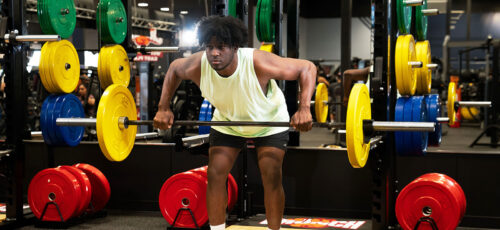
Barbells generally require more setup and safety awareness because heavier loads are involved. Exercises like squats and bench presses often require:
Since the bar moves in a fixed path and both arms work together, there’s less room for mistakes with heavy lifts. Using bad form or adding weight too quickly can lead to injuries, especially if you try to progress too fast.
Dumbbells are usually easier for beginners because you can move more freely and set the weights down if a rep gets too hard. For example, if you can’t finish a dumbbell shoulder press, you can just lower the weights. But if you get stuck during a barbell squat without safety bars, it’s much harder to get out safely.
Still, you need to control dumbbells carefully. Lifting weights that are too heavy or moving too fast can put extra strain on your shoulders, wrists, and lower back.
Both barbells and dumbbells require:
At Crunch Fitness, you’ll find adjustable benches, squat racks with safety bars, functional training areas, and certified trainers. They help make sure everyone can train safely and effectively, no matter their experience level.
At Crunch Fitness, you can use both barbells and dumbbells, and get expert coaching to help you use them well. Whether you want to get stronger, build muscle, or just improve your fitness, Crunch has the equipment, programs, and support you need for balanced training.
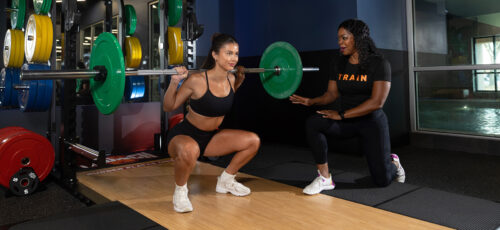
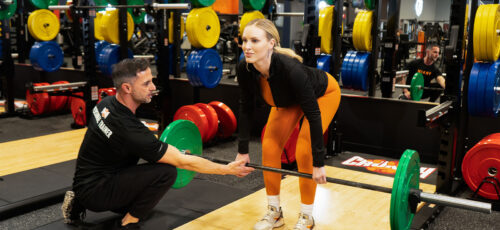
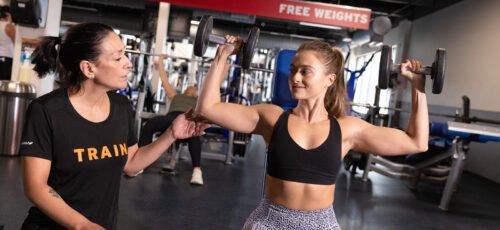
Crunch’s certified trainers teach you how to use barbells and dumbbells with good form, and they create custom programs based on your goals and experience. They can help beginners start with basic dumbbell moves and move up to more advanced barbell lifts safely.
Coaching during your workout helps you improve your form, move better, and feel more confident with both heavy lifts and single-arm dumbbell exercises. You can learn more about this in Crunch’s Specialized Approach to Personal Training – Custom Fitness Programs.
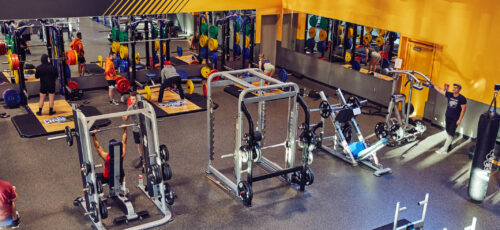
Crunch gyms feature:
With all this equipment, you can do anything from heavy strength training to high-rep muscle-building workouts, and you can keep making progress safely. For more details, check out Crunch Fitness’ Equipment Guide.
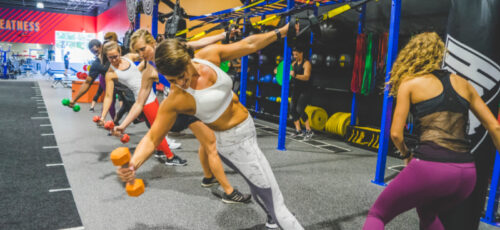
Crunch’s group fitness classes use both barbell and dumbbell exercises in organized, coach-led sessions. These classes help you practice good form, try new moves, and stay motivated with support from others.
Having lots of different classes makes training more fun and helps you stick with your strength and muscle-building goals. To see what’s available, check out: Our 12 Best Group Fitness Classes: The Secret to Supercharging Your Workouts.
Crunch promotes a culture of positivity, inclusivity, and fun with no judgments by providing an environment for all individuals, regardless of their health and fitness goals. Find a Crunch gym near you to try our free trial membership, or join Crunch now. We’re here for you – at the gym or at home. Access the best live & on-demand workouts anytime, anywhere with Crunch+. Ready to get sweaty? Try hundreds of workouts for free! Start your free trial now!
You can build a lot of muscle with both barbells and dumbbells if you train regularly and keep challenging yourself. Barbells work well for heavy lifts, while dumbbells help with stability and let your muscles move through a bigger range.
Yes, you can build strength using just dumbbells. Training with dumbbells helps you get better at coordination and balance, and makes each side of your body stronger. Barbells can help you lift heavier weights if your main goal is maximum strength.
Dumbbells are usually a better choice for beginners. They help you build coordination, balance, and control, and there’s less risk of getting hurt. Most people start with dumbbells before moving on to heavier barbell exercises.
Most people can lift more weight with a barbell because both arms work together to move the same bar. Barbells also don’t need as much balance as dumbbells, so it’s easier to lift heavy.
Both the barbell and dumbbell bench press work well, but they have different strengths. The barbell bench press is best for building maximum strength. The dumbbell version lets you move your arms more freely and works your muscles on each side separately.
You can use dumbbells for most exercises that use a barbell, especially if your goal is general fitness or building muscle. But if you want to lift really heavy or focus on big compound movements, barbells are usually better.
Dumbbells are often safer for beginners because you can move more naturally and it’s easier to stop if you can’t finish a rep. Both barbells and dumbbells are safe as long as you use good form and progress carefully.
You’re ready to move from dumbbells to barbells when you can do the basic movements with good control and steady technique. Begin with lighter weights on the barbell to build confidence and learn the right form.
No, you don’t need both, but using both barbells and dumbbells can help you build more balanced strength and muscle. Barbells are good for lifting heavy, while dumbbells help with balance, coordination, and working each side of your body.
Yes, dumbbells are great for fixing muscle imbalances because each arm works on its own. This way, your stronger side can’t take over during exercises.
Joining a gym gives you more equipment choices, heavier weights, and safer setups for both barbell and dumbbell workouts. Many gyms also have trainers who can help you with your form and workout plans.
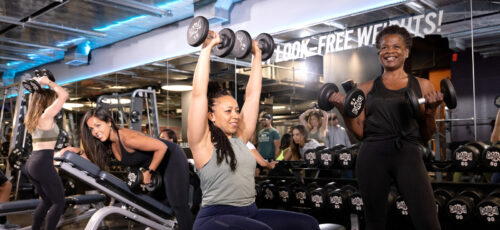
The best gyms for strength training have lots of dumbbells, barbells, racks, benches, and machines. Crunch Fitness, for example, has full free weight areas, spaces for functional training, and equipment for both beginners and experienced lifters.