





Best Love Handle Exercises to Strengthen Your Sides | Crunch Fitness
November 3, 2026
If you’re hoping to give the sides of your waist a little extra attention, you’re in good company. Maybe you’re looking for the best love handle exercises to feel stronger, build more definition, or finally figure out what your obliques actually do.
The best love handle exercises strengthen your obliques, while nutrition habits and full body training support overall fat loss. You can choose which muscles to work, but your body decides where fat comes off.
This guide covers beginner moves, rotational exercises, and advanced core challenges. You’ll learn how nutrition, full body training, and recovery work together, clear up spot-reduction myths, avoid common mistakes, and see how a Crunch Fitness trainer can help you reach your goals.
Let’s learn more about your side muscles.
Starting to train for love handles means more than just doing side bends. Pick exercises that fit your current core strength, and focus on moving with control before adding weight or harder versions.
Include your love handle exercises in a routine with cardio and strength training for other big muscle groups. Combine these workouts with healthy eating habits that support your goals.
Focus on being consistent for weeks and months, not quick fixes. Notice when you can hold exercises longer, move with more control, and build endurance.
The exercises below are grouped by difficulty and movement type, so you can pick a starting point that fits your core strength. Our beginner core workout will help you get used to the basics.
Here are some beginner exercises to help you build core control and strengthen the muscles around your waist. Take a look at the list below.
This exercise is a gentle way to get your obliques working before moving on to harder moves. Standing side bends help you practice controlled sideways movement, making them a good place to start for love handle training.
How to Do It
Tip: A deeper bend doesn’t automatically mean a better rep. Keep your hips mostly still and focus on control.
Side leg raises are often part of love handle workouts, but they mainly strengthen your outer hip muscles. Your core keeps your pelvis steady, so this is a helpful supporting exercise.
How to Do It
Tip: Keep your toes pointing forward. Lifting higher matters less than keeping your hips steady.
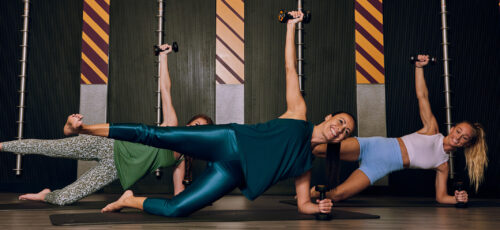
The side plank has entered the chat with a friendly knee support option. This hold trains your obliques to resist sideways bending, making it a useful addition to love handle exercises focused on stability.
How to Do It
Tip: Push the floor away through your forearm to avoid sinking into your supporting shoulder.
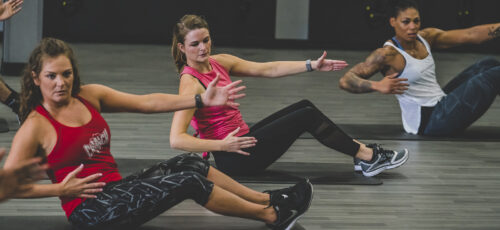
You don’t need any weight for this exercise. The main goal is to move smoothly. These love handle exercises introduce controlled rotation, and keeping your feet on the floor helps you stay balanced.
How to Do It
Tip: Let your chest guide the movement. Swinging your arms from side to side gives your obliques much less to do.
This exercise combines a side bend and a knee lift, and you don’t need any floor space. It helps you build coordination and core control at your own pace.
How to Do It
Tip: Your knee and elbow don’t need to touch. Use a wall for balance if needed.

Rotational exercises make your obliques stronger by having you turn your torso against resistance. This strength helps with daily activities like swinging a racket, carrying groceries, or reaching across your body. Your core does more than just look good.
Adding these movements to your workout for love handles can build the muscle foundation that becomes more visible as overall body fat decreases. Focus on controlled rotation, steady core engagement, and resistance you can manage without swinging.
Let’s dive into the list of rotational core exercises we have for you:
Now you’ll make the bodyweight twist harder by adding a light dumbbell or medicine ball. This increases the challenge for your obliques, but focus on moving smoothly, not on speed or touching the floor.
How to Do It
Tip: Keep the weight close to your body at first. If your back rounds or your feet wobble, use less weight or return to the bodyweight version.
This exercise is similar to chopping wood. The diagonal movement challenges your obliques and helps your upper and lower body work together.
How to Do It
Tip: Choose a light resistance while learning the pattern. Your arms guide the handle, but the movement should involve your torso rather than an arm-only pull.
Are you new to the gym? Explore our guide to Crunch Fitness equipment to get familiar with training tools beyond your usual favorites.
Rotational throws help you build power in your core. They teach you to transfer force from your legs through your hips and torso into a throw, which is useful for many sports.
Unlike the slower exercises here, this movement is intentionally explosive. Build confidence with controlled rotation first, then add speed without losing your balance.
How to Do It
Tip: Ask a trainer to confirm the ball, wall, and setup before starting. A heavier ball is only useful if you can still throw with control.
This exercise is also similar to the woodchop but moves horizontally. The cable gives resistance as you turn, challenging your obliques without needing a large range of motion.
How to Do It
Tip: Keep your hands aligned with your chest. If your arms move while your torso stays still, reduce the weight and reset.
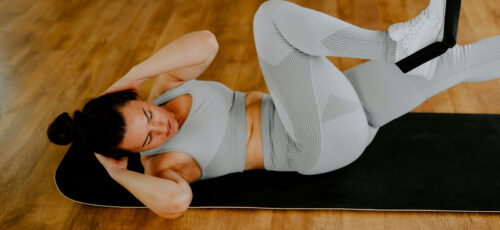
Bicycle crunches combine a small trunk curl with rotation, working your abs and obliques as you switch sides. You get the benefits of pedaling without needing a bike.
They can complement exercises for love handles, but faster pedaling won’t burn fat specifically around your waist.
How to Do It
Tip: Think “shoulder toward knee,” not “elbow must touch.” Keep the extended leg higher if lowering it makes your back arch.
These exercises are just one part of training for love handles. Add strength exercises for other muscle groups and do cardio you enjoy. Combined with healthy eating, this approach helps you build muscle and lose fat overall.
These exercises for love handles build strength along the sides of your waist. Check out the waist-strengthening exercises below to find the ones that fit into your routine.
Now you’ll add resistance to the bodyweight side bend. Holding a dumbbell makes your waist muscles work harder as you lower the weight and return to standing.
How to Do It
Tip: Start with one dumbbell so the load stays on one side. Choose a weight that lets you return upright smoothly without shifting your hips.
Considering equipment for home workouts? Our guide to buying dumbbells versus joining a gym explores the practical tradeoffs.
A side plank can be more challenging than it looks. It works your obliques to keep your body steady, while your shoulder and hip muscles help you stay aligned.
How to Do It
Tip: Bend your bottom knee for extra support. Once the standard hold feels steady, try briefly lifting your top leg without letting your pelvis roll.
For more ways to keep core training interesting, explore these plank variations for strength and stability.
Carrying a weight in one hand challenges your obliques to keep you from leaning. This is a practical exercise to add to your love handle workout.
How to Do It
Tip: Imagine walking beneath a low doorway: stay tall without shrugging. If the weight pulls you sideways, choose a lighter one.
The cable gives resistance from a different angle during your side bend. Focus on moving smoothly and keeping control throughout the exercise.
How to Do It
Tip: Keep the movement small and your hips mostly still. Avoid pulling the handle with your arm or letting the cable tug you past your starting position.
After you’re comfortable with the side plank, hip dips add a new challenge by lowering and lifting your hips. Your obliques work through the movement, and your shoulder helps keep you steady.
How to Do It
Tip: A small dip is enough. Return to a static side plank or a bent-knee version if your shoulder sinks or your torso twists.
Pick one or two of these exercises to add to your routine; you don’t need to do endless side planks. Combine this core training with full-body strength exercises, cardio, and healthy eating to see progress beyond your core.
You’ve worked your obliques, but now it’s time to involve your whole body. Since you can’t burn fat from just one area, reducing love handles means doing more than just side bends and crunches.
Use the options below to complement your love handle exercises. You don’t need to squeeze every category into one session.
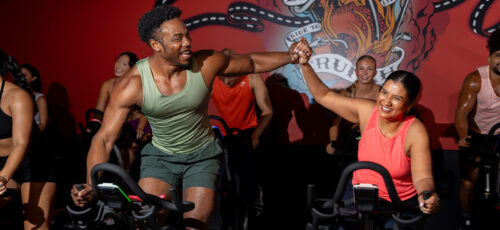
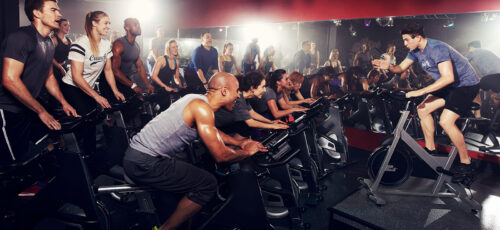
High intensity interval training (HIIT) uses short bursts of effort followed by recovery. It’s a good way to build cardiovascular fitness when you don’t have much time.
HIIT doesn’t have to include jumping, and it’s not required for fat loss. You can get a good workout on a stationary bike without doing burpees.
How to Do It
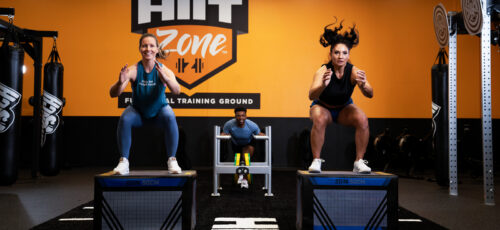
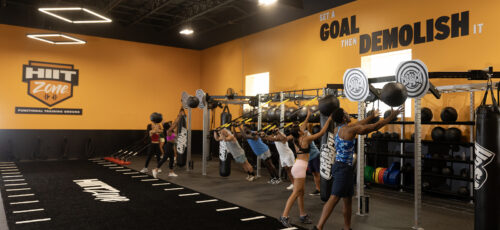
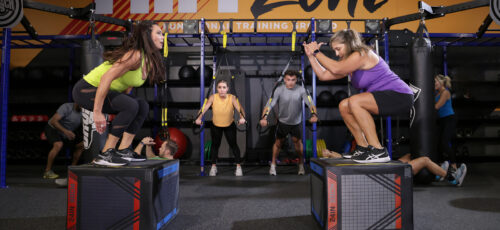
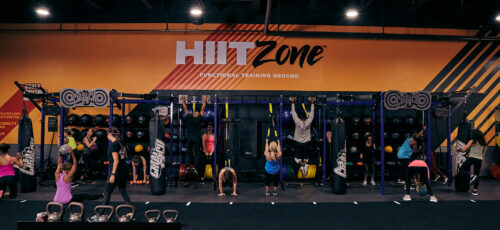
Check out our HIIT Zone
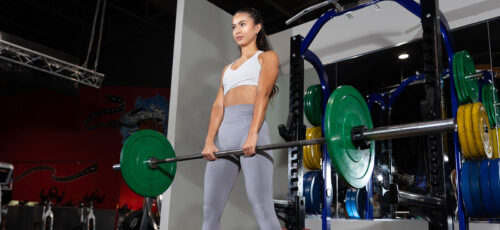
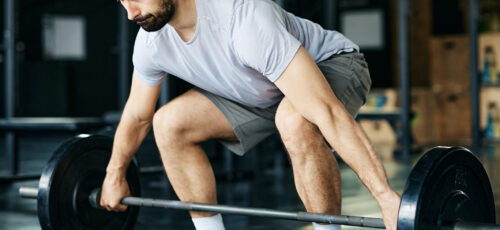
These exercises use several muscle groups at the same time, making your workouts more effective. Squats work your legs and hips, deadlifts focus on your hips and back, and presses challenge your upper body while your core supports you.
They belong in a balanced approach to strength training for love handles, even though they don’t directly target waist fat.
How to Do It
Tip: Finish each set feeling you could complete another couple of controlled repetitions. Heavy weights can wait while you learn the movements.
Explore more of the best quad strength exercises using compound movements to give the rest of your routine some variety.
You don’t need a special reason to pick your cardio. Choose something you enjoy and will stick with. Running, cycling, and rowing help you burn calories and improve your fitness, making them good additions to your core training.
There’s no special cardio exercise for love handles. The value comes from regular activity that fits your abilities and schedule.
How to Do It
Tip: For steady cardio, go at a pace where you can still talk in full sentences. You don’t need to push yourself to the limit every time.
Find more options in Crunch’s guide to cardiovascular training exercises.
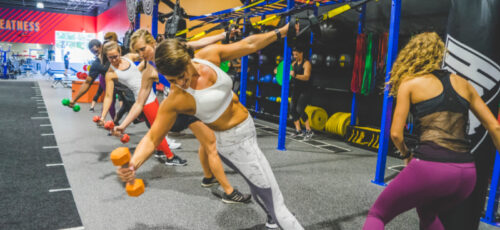
Carrying, stepping, pushing, and pulling are all good exercises. Functional training uses these movements to build strength and coordination for daily life. For example, you’ll be able to carry groceries more easily.
How to Do It
Tip: Learn each exercise separately before combining them. Moving between stations quickly matters less than moving well.
Doing both strength training and cardio helps you keep muscle and burn calories. Keep working your obliques, allow time for recovery, and pick activities you can stick with. Your waistline may change slowly, but you’ll notice improvements in strength and stamina along the way.
If you want to challenge your obliques more, try advanced exercises that add resistance, longer movements, or more stability. These can help you build more muscle, but the best exercises are still the ones you can do with good form.
You already know this exercise. To make it harder, slowly add more resistance while keeping your technique smooth. Your obliques should do the work, not your lower back.
How to Do It
Tip: Increase resistance only when every repetition looks consistent. Keeping your feet down lets you focus on loaded rotation without adding a balance challenge.
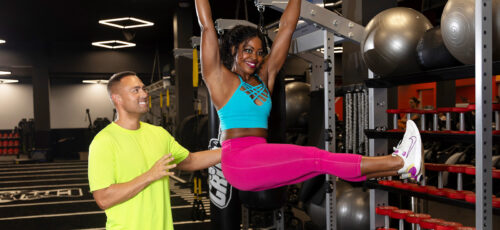
You can use a pull-up bar for angled knee raises. This move challenges your abs and obliques, while your grip and shoulders support your body weight.
Master straight hanging knee raises before adding the diagonal movement.
How to Do It
Tip: Reset between repetitions. If you need a running start from your legs, return to straight knee raises or a supported version.
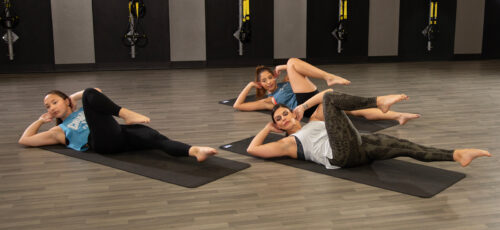
Windshield wipers may sound easy, but they are challenging. This floor exercise works your obliques as you control your legs moving from side to side.
Start with bent knees before attempting the longer-lever, straight-leg version.
How to Do It
Tip: Bend your knees or reduce the range if your shoulders lift or your lower back feels strained. Your feet don’t need to reach the floor.
This exercise combines a steady side plank with a small rotation. Even a light weight makes it more challenging for your obliques and shoulders.
First, master both an unweighted side plank rotation and a stable standard hold. Crunch’s guide to plank variations for core strength and stability offers options for building that foundation.
How to Do It
Tip: Practice the loaded version with a trainer first. Remove the weight if your hips sag, your shoulder collapses, or you cannot reverse the rotation smoothly.
A securely anchored barbell offers a new way to challenge your core. Landmine rotations use your legs, hips, and torso together to move the bar in an arc.
Your feet are allowed to move here. Pivoting helps distribute rotation instead of forcing it through your lower back.
How to Do It
Tip: Even an unloaded bar can be demanding. Ask a trainer to check your setup and movement before adding resistance.
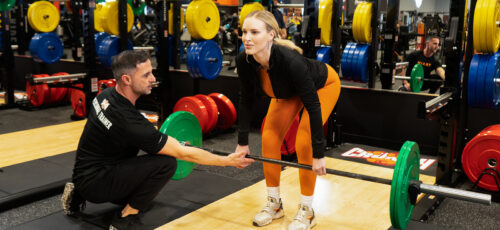
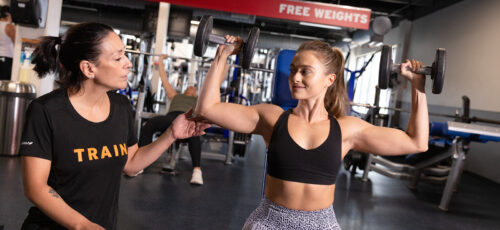
A Crunch Fitness personal trainer can help you decide when you’re ready, teach you proper technique, and include advanced oblique exercises in a full program with strength, cardio, recovery, and nutrition advice. This way, you can challenge your core and stay focused on your fat-loss goals.
Reducing the appearance of love handles works best when nutrition, cardio, and strength training work together. A moderate calorie deficit supports fat loss, cardiovascular exercise increases energy expenditure, and resistance training helps preserve and build muscle, including your obliques.
Even the best love handle exercises can’t control where you lose fat. Doing lots of crunches without focusing on your eating habits and daily activity might make you stronger, but your waist may not change. Your abs are important, but they can’t do all the work alone.
With time, steady fat loss can reduce fat around your waist, but genetics affect where you lose fat first. Being consistent is more important than searching for a miracle exercise.
Combine oblique exercises with lower ab moves to build a stronger core. You’ll notice better stability, easier daily movement, and more muscle, even before you see visible changes. Be patient and track progress in more ways than just your waist size.
Try to do 3 to 5 cardio or full-body strength workouts each week, and add 2 to 4 short oblique sessions. This is a flexible plan for love handle workouts, not a guaranteed way to lose fat faster.
Start with two oblique sessions and leave recovery time between demanding core workouts. Here’s an example week:
What matters most is your total weekly activity, a training volume you can handle, and being consistent. Beginners can start with fewer, shorter sessions, while experienced people can add more if they recover well.
Explore these ab workouts for exercise ideas. Adjust your schedule around energy, soreness, and performance. If fatigue keeps building, reduce intensity or volume before adding another training day.

Nutrition is key for losing love handles because your overall calorie balance controls fat loss. Even if you exercise regularly, you can’t make up for eating more calories than you burn.
A deficit of roughly 300 to 500 calories below daily maintenance can be a starting point for some adults. Adjust it to your size, activity, energy, and progress rather than treating the number as mandatory.
For active adults, approximately 0.7–1 gram of protein per pound of body weight daily can support muscle retention during fat loss. Include protein sources alongside vegetables, fruit, whole grains, and satisfying fats.
Limit high-calorie processed snacks, sugary drinks, and too much alcohol to help you stay within your calorie goals. These foods don’t directly cause fat to go to your waist.
Crunch trainers and nutrition resources can offer general guidance within their qualifications. Consistency beats perfection: one dessert doesn’t undo a week of habits worth keeping.
Reducing love handles starts with building good habits. Here are eight tips to help you create your routine:
It can be frustrating to work hard and not see the results you want. Usually, what’s missing is a bigger plan, not just more crunches. Here are some common mistakes to avoid:
Sustainable fat loss combined with strength training gives you a more realistic path forward. If you’re unsure what to change, working with a Crunch personal trainer can help you set achievable expectations, improve technique, and build a balanced program that progresses with you.
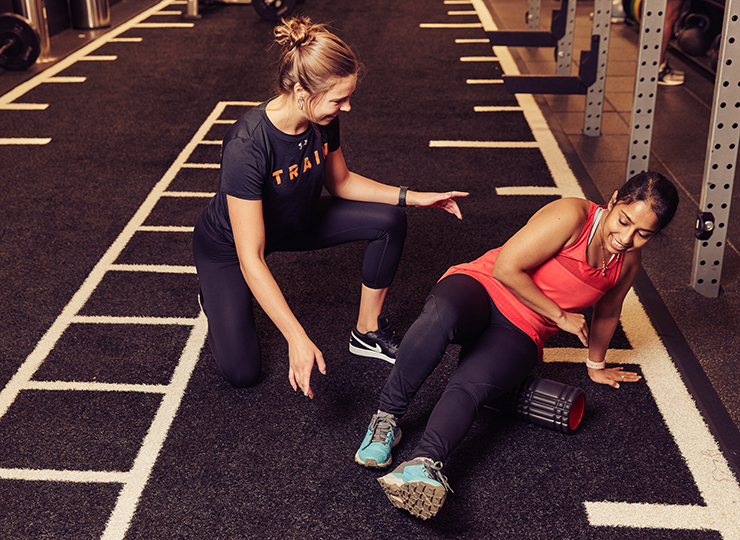
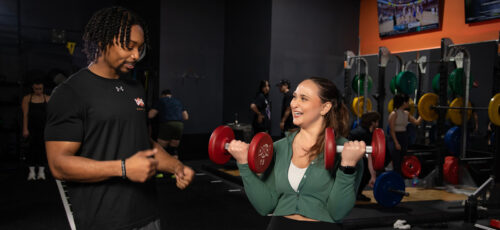
It’s easier to stick to your plan when you have support, the right equipment, and workouts you actually like. Crunch Fitness offers all three, helping you target love handles while taking a practical approach to losing fat overall.
Crunch personal trainers look at your fitness, activity level, and goals to create a program that mixes strength, cardio, and core exercises. They help you set realistic goals for steady fat loss and can give nutrition tips that fit your lifestyle. Personal training at Crunch is about more than just doing crunches: it’s about building a plan that works for you.
Crunch has everything from cardio machines to free weights and functional training tools, making it easy to mix calorie burning workouts with muscle building moves. Building muscle helps your metabolism, and having lots of equipment keeps things interesting. You can use the treadmill one day and dumbbells the next, so your workouts never get boring.
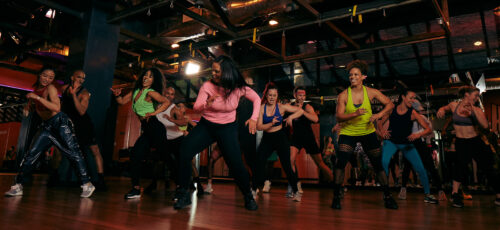
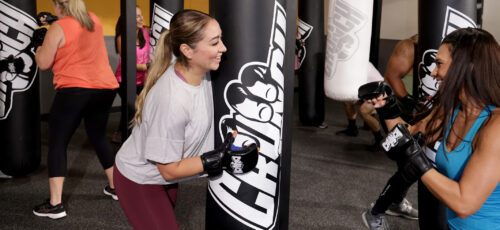
HIIT, cardio, and strength classes bring energy, structure, and motivation to your week. When paired with good nutrition, these classes can help you reach the calorie deficit needed for fat loss. Friendly faces and supportive instructors make it easier to stay consistent. Check out Crunch’s group fitness classes to find the ones you like.
Crunch promotes a culture of positivity, inclusivity, and fun with no judgments by providing an environment for all individuals regardless of their health and fitness goals. Find a Crunch gym near you to try our free trial membership, or join Crunch now. We’re here for you – at the gym or at home. Access the best live & on-demand workouts anytime, anywhere with Crunch+. Ready to get sweaty? Try hundreds of workouts for free! Start your free trial now!
Side bends and crunches by themselves won’t get rid of love handles, since they build muscle but don’t target fat in that area. For better results, pair core exercises with full-body workouts and healthy eating to help lose fat overall.
You might see changes in a few weeks, or it could take a few months. There’s no set timeline. How fast your waist changes depends on your starting body fat, genetics, diet, and how active you are.
The best way to eat for losing love handles is to follow a balanced diet you can stick with, while eating a bit fewer calories than you burn. Make sure to include protein, vegetables, fruits, whole grains, and healthy fats to help you feel full, support your workouts, and keep your muscles.
Yes, both men and women can get love handles. These are fat deposits on the sides of your waist. Where your body stores fat depends on things like genetics, hormones, age, and your overall body fat.
Oblique exercises won’t make love handles go away on their own, but they do make the muscles underneath stronger. As you lose body fat, these muscles can help your waist look more defined.
There’s no fixed amount of cardio that guarantees love handle reduction, but 150 minutes of moderate activity weekly is a useful general-health baseline. The CDC also recommends 75 minutes of vigorous activity as an alternative; fat-loss results depend on your nutrition and overall activity.
Strength training can help you lose body fat, including around your waist, if you’re eating fewer calories than you burn, even if you don’t do extra cardio. It also helps you keep your muscles. Adding cardio is good for your heart and helps you burn more calories.