





The Best Flat Stomach Exercises | Crunch Fitness
November 3, 2026


What if the secret to the best flat stomach exercises isn’t doing more crunches, but choosing movements that train your core? Between planks, cables, stability balls, and exercises that seem determined to make your abs shake, building a routine can feel like assembling a puzzle without seeing the picture on the box.
A strong core doesn’t come from just one muscle or a single “magic” exercise. Instead, several muscles work together to keep your spine stable, support your posture, and help you move with control.
Understanding how these muscles work can help you plan your workouts better and avoid guessing which exercises to do.
This guide explains the muscles that shape your core and shows you eight flat stomach exercises, including planks, TRX pikes, and cable kneeling crunches. You’ll also find a sample routine, tips on how long results might take, common mistakes to avoid, and advice on exercise, nutrition, hydration, sleep, and stress.
Ready to get started? Let’s go.
Four main abdominal muscle groups help you brace, bend, rotate, and stay steady. Each one needs more than just crunches. Here are the key muscles:
These exercises work your abs by helping you brace, bend, twist, and stay stable. They can strengthen and define your core, but losing body fat also depends on your diet, activity, sleep, stress, and genetics.
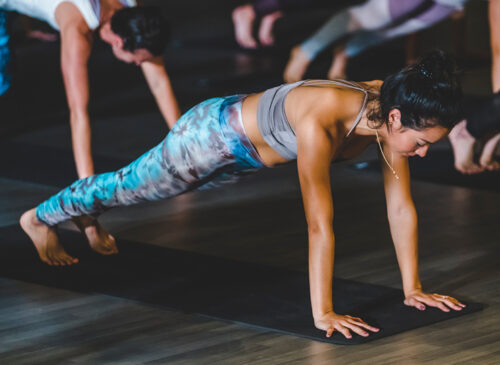
The plank may look like nothing is happening, but your core will strongly disagree. This full body isometric exercise challenges the transversus abdominis, rectus abdominis, obliques, shoulders, and glutes while teaching your body to resist unwanted movement.
How to Do It
The Swiss ball crunch is an upgrade to the regular crunch. The ball lets your torso move through a bigger range of motion and makes your core work harder to stay stable. Just be careful not to let the ball roll away.
How to Do It
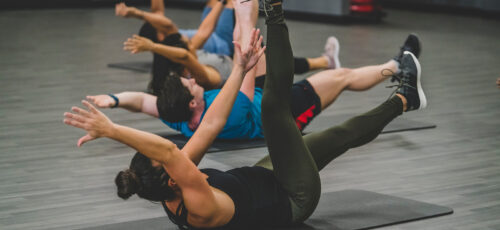
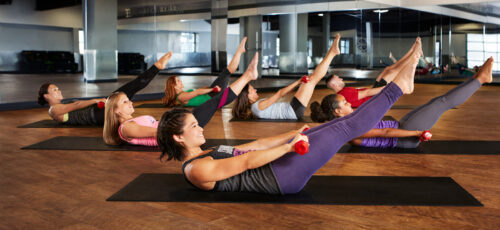
Leg raises are a popular exercise for the lower abs, but your whole rectus abdominis helps keep your pelvis stable. Focus on moving with control instead of swinging your legs quickly.
How to Do It
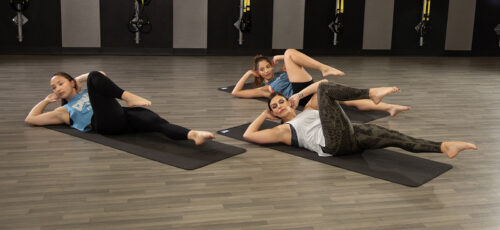
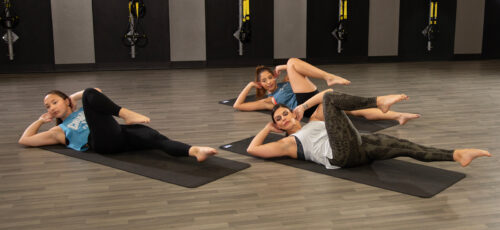
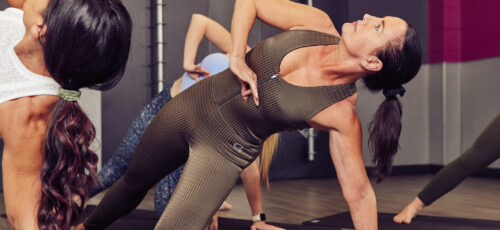
This move combines the stability of a side plank with a crunch. It works your obliques, shoulders, and hips, and also tests your balance.
How to Do It
Discover: What Are the Best Plank Variations for Core Strength and Stability?
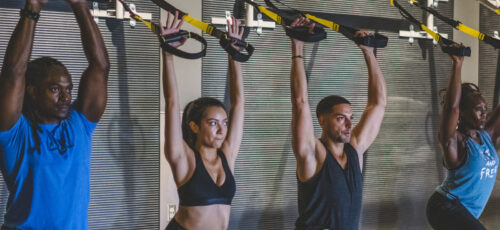
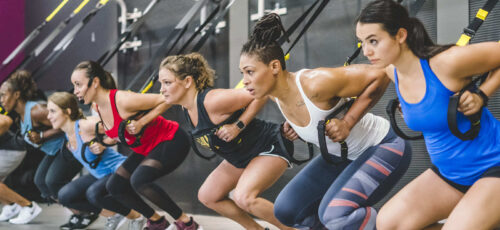
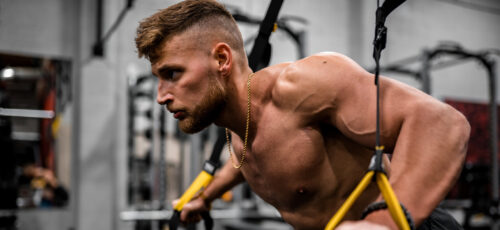
The TRX pike is a harder version of the plank that uses suspension straps. With your feet in the straps, your abs have to work hard to keep your body stable as you lift your hips. This is a more advanced core exercise.
How to Do It
This Swiss ball exercise focuses on the muscles along the sides of your waist. The unstable surface also makes smaller stabilizing muscles work harder.
How to Do It
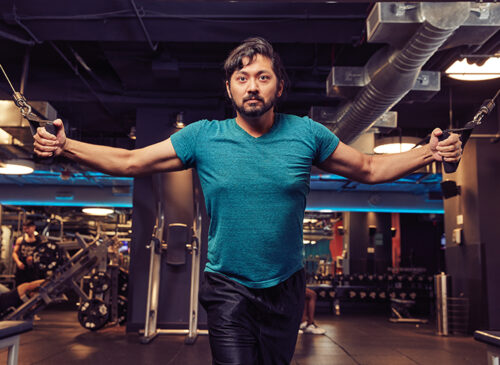
The cable kneeling crunch lets you add resistance to a common ab exercise. It helps build core strength and muscle when you focus on using your abs, rather than moving your hips too much.
How to Do It
Roll-ups and straight-legged sit-ups work your rectus abdominis through a bigger range of motion than a regular crunch. Pick the version you can do with good form. Using momentum to finish the rep doesn’t count.
How to Do It
A weekly flat stomach routine should work your core in different ways and allow time for recovery. Rather than doing the same crunches every day, split the eight exercises into three sessions. Train on nonconsecutive days so your core can recover.
Before each workout, warm up for five minutes with walking, torso rotations, bird dogs, or gentle bodyweight moves. Rest for 30 to 60 seconds between exercises and up to 90 seconds between sets if needed.
Support these flat stomach workouts with two or three full body strength sessions and regular cardio, such as walking, cycling, or intervals. Keep at least one rest day each week and avoid training sore abdominal muscles intensely.
When the routine feels easier, increase just one thing at a time, like repetitions, resistance, sets, or how long you hold a position. Progress should be challenging but never at the cost of good form.
If you’re a beginner, start with two sets. More experienced people can try harder versions. Always focus on good form before trying to do more reps or sets.
Getting a flatter, more defined stomach usually takes weeks or even months, not just a few days of crunches. How long it takes depends on your starting point, diet, activity level, experience, sleep, stress, genetics, and consistency.
You might feel your core getting stronger and notice better posture before you see changes in the mirror. Progress isn’t always visible right away.
Watch out for these mistakes:
If you stop seeing progress, don’t double your workouts or cut out more foods right away. First, look at your habits, performance, measurements, and expectations.
Crunch’s guide to working out without losing weight explains why the scale doesn’t always show the full picture. Be patient, make small changes, and give your routine time to work.

Here are some practical tips to help you get a flatter stomach and a stronger, healthier core:
Move beyond your core workouts. Walking, cycling, swimming, dancing, and fitness classes count. The World Health Organization recommends between 150 and 300 minutes of moderate aerobic activity weekly, or the vigorous equivalent, while limiting sedentary time.
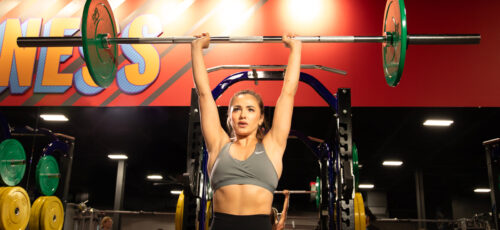
Lift weights at least twice weekly and train major muscle groups. A 2022 study found that resistance training reduced body fat percentage, fat mass, and visceral fat in adults. Strong muscles make daily movement easier. “Training volume and training components were not associated with effect size. Resistance training reduces body fat percentage, body fat mass, and visceral fat in healthy adults”, concluded the report.
Build meals around vegetables, fruit, grains, protein, and unsaturated fats. Protein supports muscle, while fiber improves fullness; one trial analysis found that fiber intake predicted weight loss and adherence to the diet. No food needs a villain cape, but portions and consistency matter. “Dietary fiber intake, independently of macronutrient and caloric intake, promotes weight loss and dietary adherence in adults with overweight or obesity consuming a calorie-restricted diet.”
Drink regularly, especially around exercise and in hot conditions. Water supports body function and can replace calorie beverages, but it doesn’t burn fat. A 2013 study found limited, mixed evidence linking water intake with weight loss. “Studies of individuals dieting for weight loss or maintenance suggest a weight effect of increased water consumption, whereas studies in general mixed weight populations yielded inconsistent results,” reported.
Aim for a consistent sleep schedule. In a randomized clinical trial, adults with overweight who extended their sleep consumed fewer calories, on average, without other lifestyle changes. Consider bedtime part of your recovery plan, not wasted workout time. “Improving and maintaining healthy sleep duration over longer periods could be part of obesity prevention and weight loss programs.”
Chronic stress can affect your sleep, appetite, and eating habits. Research shows that higher cortisol levels are linked to more belly fat in women. Try walking, breathing exercises, yoga, journaling, or quiet time without screens; whatever helps you relax.
Crunch Fitness provides the coaching, equipment, and workout variety needed to build a stronger core. Remember that visible definition also depends on overall activity, nutrition, recovery, and individual body composition.
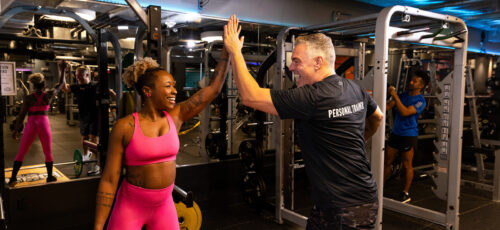
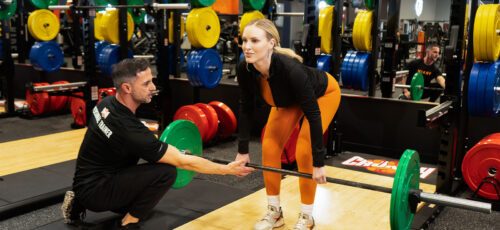
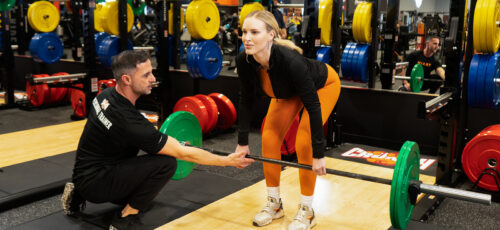
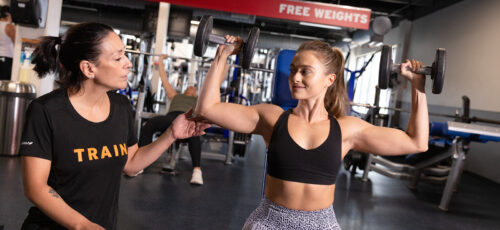
A Crunch personal trainer can help you choose appropriate core exercises, improve your technique, and build a routine around your experience and goals.
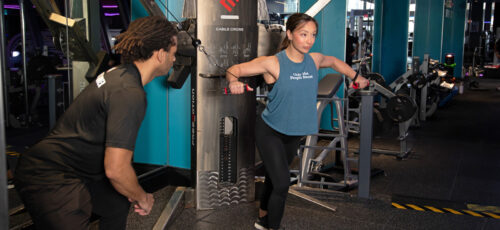
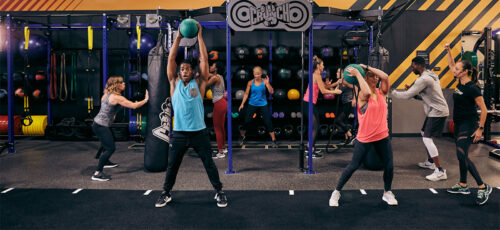
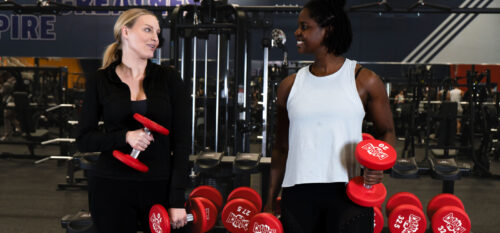
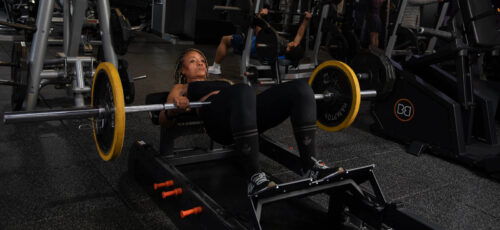
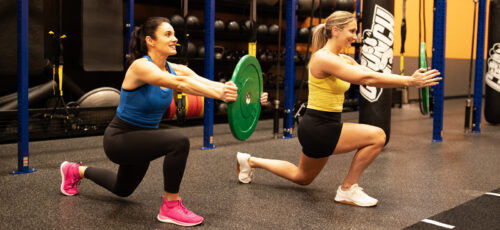
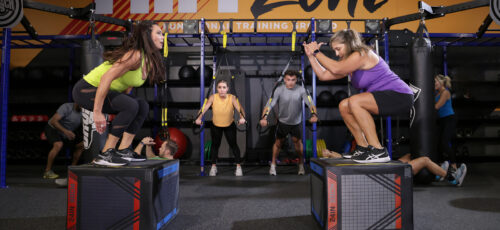
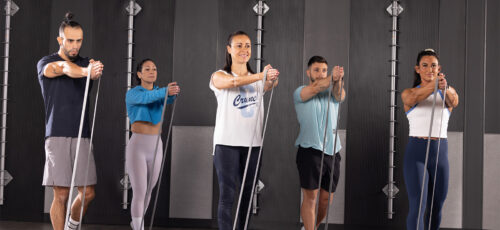
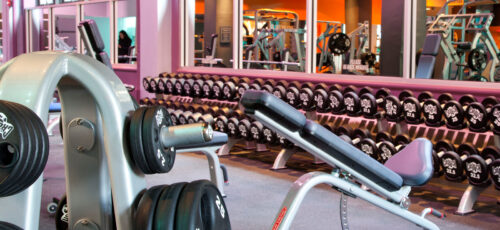
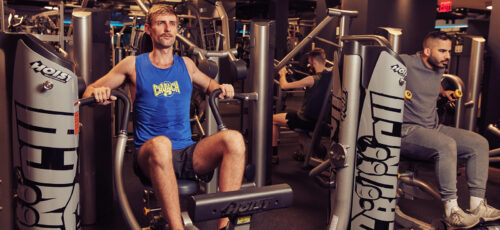
Crunch offers equipment such as cable machines, medicine balls, stability balls, free weights, and TRX suspension trainers, giving you plenty of ways to challenge your core without repeating the same workout.
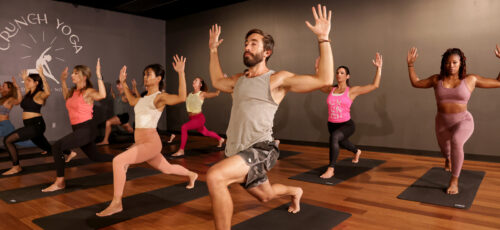
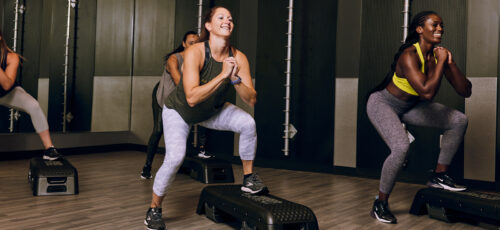
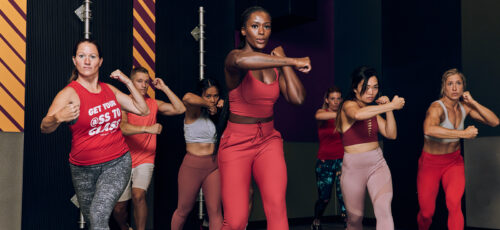
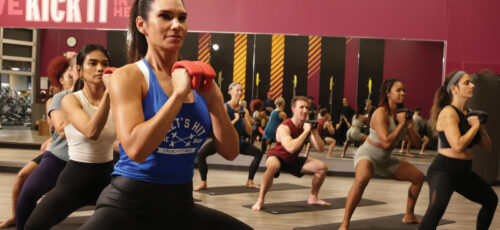
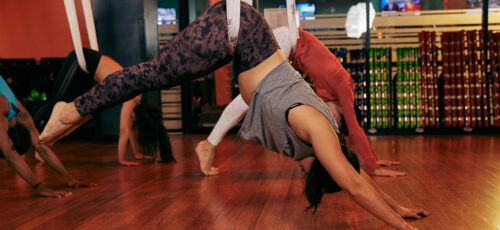
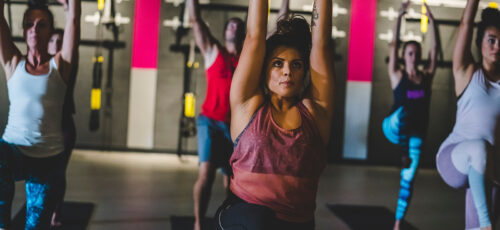
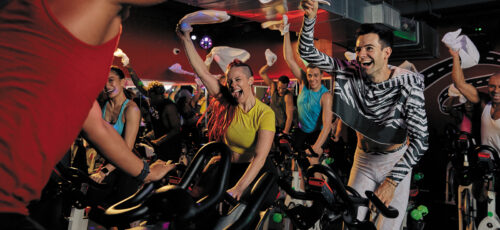
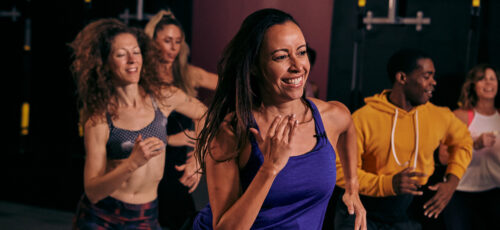
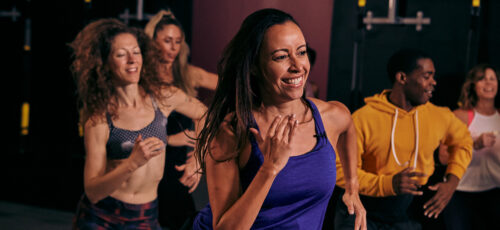
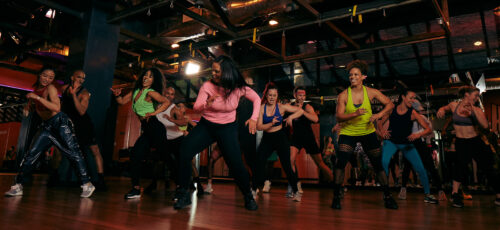
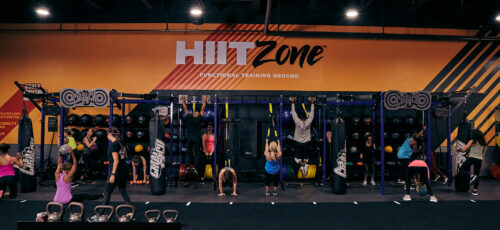
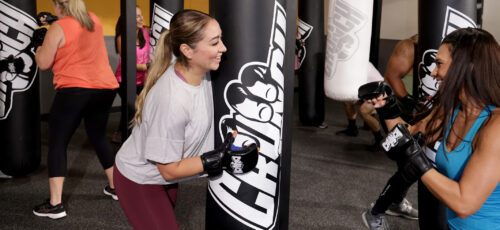
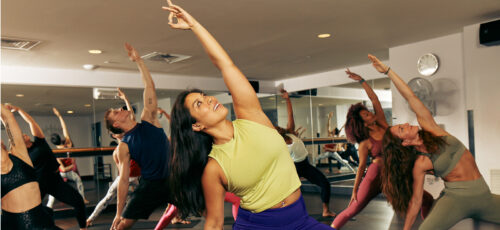
Depending on your location, classes such as Pilates, yoga, HIIT, and strength training can challenge core stability and total body fitness. Check your local Crunch class schedule because formats and availability vary by club.
Crunch promotes a culture of positivity, inclusivity, and fun with no judgments by providing an environment for all individuals regardless of their health and fitness goals. Find a Crunch gym near you to try our free trial membership, or join Crunch now. We’re here for you – at the gym or at home. Access the best live & on-demand workouts anytime, anywhere with Crunch+. Ready to get sweaty? Try hundreds of workouts for free! Start your free trial now!
Cable machines, stability balls, medicine balls, TRX trainers, and free weights all work well for core exercises. The best choice is whatever helps you train safely and lets you increase resistance over time.
Weighted cable crunches, decline sit-ups, hanging leg raises, and loaded carries help build abdominal muscle. Keep your form solid and slowly add more resistance as you get stronger.
Full body strength circuits and HIIT workouts burn more calories than ab exercises alone, and they still work your core. Combine these with regular cardio and a balanced diet to help lose fat overall.
Planks, side planks, dead bugs, bicycle crunches, leg raises, and roll-ups are all great core exercises you can do without equipment. Try to include moves that work stability, flexion, and rotation for a balanced workout.
Core workouts strengthen your abdominal muscles, but they don’t directly burn stomach fat. To lose body fat, focus on regular exercise, healthy eating, good sleep, and managing stress.
Most people can work their core two to four times a week. Rest between tough sessions, and adjust how often you train based on your experience, workout intensity, and overall routine.