





What Are the Benefits of Sauna After a Workout | Crunch Fitness
November 3, 2026


What if your workout could keep going after your last rep? While the sauna might seem like a place to sit and sweat, its benefits have made it a favorite part of many people’s post-workout routines.
Using a sauna after a workout warms your body, raises your heart rate, increases sweating, and improves circulation. Some people like it because the heat helps them relax after exercise, while others use it to help their muscles recover.
Saunas come in different types, including dry saunas, steam rooms, infrared saunas, and wood-burning saunas. Each one offers a unique experience.
In this article, we’ll cover sauna benefits for muscle recovery, heart health, and relaxation.
We’ll also explain the differences between sauna types, drawbacks, how often you can use one, and how long to stay in a sauna after a workout. You’ll also find sauna safety and hydration tips to help you build a smarter post-workout recovery routine with Crunch.
Should you finish your next workout in the sauna, or is it just another way to sweat? Grab your water bottle and let’s find out.
A post-workout sauna can feel like the victory lap after the final rep, but the heat may offer more than a quiet place to catch your breath.
Research has explored its effects on muscle recovery, cardiovascular function, and mental relaxation.
Here is what the evidence suggests, and where it is still warming up:
Heat widens blood vessels and increases circulation, which may support oxygen and nutrient delivery. More importantly, some research suggests that infrared sauna use may help athletes feel less sore and recover certain measures of muscle performance.
In a 2023 study, researchers compared 30 minutes in an infrared sauna with 30 minutes of passive recovery after participants completed strength and endurance workouts. After the strength session, the sauna group maintained countermovement-jump performance better and reported less muscle soreness.
The researchers concluded that a single session “improved recovery of neuromuscular performance” and reduced soreness after resistance exercise.
That is promising, but it does not mean you can replace sleep, food, hydration, and rest days with extra time in the heat. A recent review found mixed results across 14 post-exercise heat studies and stated that it was “not possible to draw definitive conclusions” about recovery and performance.
Basically, a sauna can help with muscle recovery, but it’s not a cure-all. Pay attention to how you feel, drink enough water, and stick to the basics of good recovery.
Discover: How to Recover From Intense Workouts: Crunch’s Guide to Post-Workout Recovery
Heat widens blood vessels near the skin, while heart rate and blood flow increase as the body works to manage its temperature.
A 2019 study found that blood pressure and heart rate rose during a 25 minute sauna session, with researchers describing a “consequent increase in myocardial oxygen consumption.” After participants cooled down, both measurements fell below their pre-sauna levels.
Long-term research has linked regular sauna bathing to cardiovascular outcomes. A JAMA Internal Medicine study followed 2,315 middle-aged Finnish men for a median of 20.7 years. Its conclusion reported that more frequent sauna use was “associated with a reduced risk” of fatal cardiovascular events and all-cause mortality.
This observational study cannot prove that sauna use caused the lower risk, and its findings may not apply equally to women, younger adults, or people with existing health conditions.
A sauna also does not replace cardiovascular exercise. Anyone with heart disease, blood-pressure concerns, or instructions to limit heat exposure should speak with a healthcare professional first.
The sauna won’t actually cool you down, but it can help you relax. After a workout, sitting quietly in the warmth gives you a break between exercise and the rest of your day.
You can focus on your breathing and let your muscles relax. Relaxation is one reason people say they use saunas.
In a 2019 survey of 482 regular sauna users, the motivations included “relaxation/stress reduction,” pain relief, and socializing. About 83.5% also reported sleep benefits. The researchers noted higher mental well-being scores among moderate users than among those who used saunas less frequently.
“Sauna-bathing participants, particularly those from Finland, Australia and the United States, are motivated to use saunas predominantly for relaxation, reporting health benefits especially around mental well-being and sleep, with relatively few adverse effects.”
These results are based on self-reported experiences, so they reflect personal accounts rather than proving that saunas improve stress or sleep. Still, taking a few quiet minutes for yourself can be helpful because it gives you a chance to pause.
Try slow breathing or just enjoy the quiet. There’s no need to make relaxation a competition. If you feel dizzy, weak, sick, or too hot, leave right away and cool down.
If you are considering a sauna after workout sessions, your options may include a dry sauna, steam room, infrared sauna, or wood-burning sauna.
Each offers a different temperature, humidity level, and atmosphere, but every post-workout sauna still requires hydration and sauna safety.
Let’s take a look.
A dry sauna uses an electric heater to warm the air. The temperature is high and the humidity is low, so sweat evaporates more easily than in a steam room.
Dry saunas are common in fitness facilities and suit people who enjoy strong heat without heavy moisture. Cool down and rehydrate before entering. Sauna time can complement a complete post-workout recovery routine, but as we explained earlier, it cannot replace sleep, nutrition, or rest.
A steam sauna, or steam room, uses boiling water to fill the space with warm, humid air. The temperature is usually lower than in a dry sauna, but the humidity can reach nearly 100%, which makes the heat feel more intense.
Some people find moist air more comfortable, while others find the humidity overwhelming. Listen to your body. A steam room still increases sweating and fluid loss, so hydration matters.
An infrared sauna uses specialized lamps to heat the body more directly, rather than warming the entire room first. It usually operates at a lower air temperature than a traditional sauna, which some gym-goers find easier to tolerate.
Research has explored sauna benefits for muscle recovery, but findings remain mixed. Infrared heat is also different from red light therapy, although the names are sometimes confused. Crunch’s guide to red light therapy explains how that technology uses specific wavelengths rather than simply heating the body.
A wood-burning sauna is old school. A stove burns wood to heat rocks and the room, producing high temperatures with low humidity. Adding water to the rocks creates brief bursts of steam and increases the perceived heat.
This type of sauna has a rustic feel, and the temperature depends on the fire, ventilation, and room design. No matter which sauna you choose, follow the rules, start slowly, and remember that the best sauna is the one you can use safely and comfortably.
More heat isn’t always better. After a workout, you may already be warm and low on fluids, so using a sauna can add extra stress. The goal is to enjoy the heat without making recovery harder. Let’s take a closer look at the downsides:
Exercise makes you sweat, and a sauna makes you keep sweating. If you enter without replacing fluids, dehydration can become more likely. Healthline calls dehydration “the biggest risk” of sauna use; signs include thirst, headache, dizziness, lightheadedness, and darker or less frequent urine.
Drink water before and after your session, and consider electrolytes when an intense workout produces heavy sweating. Start with a short session, follow facility limits, and leave immediately if you feel dizzy, weak, nauseated, confused, or unusually hot.
Mayo Clinic notes that dehydration can lead to heatstroke, which is a medical emergency. Your sauna session should help you recover, not feel like a test of endurance.
Discover more: How to Stay Hydrated: The Right Amount of Water to Maximize Your Workout
Sauna heat widens blood vessels and raises heart rate as the cardiovascular system works to cool the body. When the exposure is controlled, this response may support circulation and help explain the heart benefits associated with regular sauna use.
However, the line between helpful heat and excessive strain depends on hydration, temperature, session length, health status, and how demanding the preceding workout was.
To stay within a safer range, cool down after exercising, rehydrate, begin with five minutes, and build gradually only if you remain comfortable. Many sauna studies use sessions lasting five to 20 minutes, but no duration is perfect for everyone.
Stop if you experience chest pain, faintness, racing heartbeat, breathing difficulty, or confusion. Anyone with cardiovascular concerns or medication that affects blood pressure, hydration, or heat regulation should ask a healthcare professional before using a sauna.
The testes function best at a temperature below core body temperature, so frequent heat exposure may temporarily affect sperm production and movement. In a 2013 study, ten men used a sauna twice weekly for three months. Researchers found “strong impairment of sperm count and motility,” although the changes were reversed after sauna use stopped.
“Sauna exposure induces a significant but reversible impairment of spermatogenesis, including alteration of sperm parameters, mitochondrial function, and sperm DNA packaging,” was reported.
This study does not show that an occasional sauna session causes infertility, and its sample makes conclusions impossible. Still, men actively trying to conceive may want to limit prolonged or frequent sauna exposure and discuss concerns with a healthcare professional.
Heat can be enjoyable, but if you are planning a family, it’s best to talk with a healthcare professional for advice that fits your needs.
For most people, a post-workout sauna session should be brief. Beginners can start with about five minutes, see how they feel, and then slowly increase the duration. Most sauna studies use sessions lasting 5 to 20 minutes, although no single duration works for everyone.
Temperature and humidity matter, too. Ten minutes in a hot, humid steam room may feel very different from the same amount of time in a lower-temperature infrared sauna. Your workout also counts. After a long run, demanding HIIT class, or sweaty leg day, your body may already be warm and low on fluids.
Cool down and let your breathing and heart rate return to normal before entering. Drink water, start with a short session, and leave right away if you feel dizzy, weak, sick, lightheaded, very tired, or uncomfortable.
No scientifically established sauna schedule fits every gym-goer. How often you can use one depends on your health, heat tolerance, hydration, training intensity, sauna type, and how well you recover between sessions.
If you are new to sauna use, begin with one or two short sessions per week rather than jumping into daily heat exposure. You can gradually adjust the frequency if you consistently feel comfortable during and after each session. More is not automatically better, especially when hard workouts and sauna visits repeatedly leave you drained.
Pay attention to how you feel later that day and during your next workout. Persistent fatigue, headaches, dizziness, unusual thirst, poor sleep, or declining exercise performance may suggest that your current routine is adding stress instead of supporting recovery.
People with cardiovascular, kidney, blood-pressure, fertility, or heat-sensitivity concerns should ask a healthcare professional for individualized guidance.
A sauna can help with recovery, but it shouldn’t be your only strategy. Your body still needs the basics: enough water, good food, sleep, rest, and workouts that fit your ability. The sauna can’t replace these essentials.
Start by cooling down with easy movement until your breathing and heart rate begin returning toward normal. Rehydrate and, after longer or sweatier workouts, consider whether you need electrolytes. Eat a balanced meal or snack based on your needs, schedule, and training goals.
You can also use light mobility work or post-workout stretching to transition out of exercise. If you choose to use the sauna, treat it as an optional final step,not a replacement for your cooldown.
Crunch’s guide to recovering from tough workouts explains how sleep, hydration, nutrition, active recovery, and rest all work together. The best recovery routine isn’t always the most complicated. It’s the one that helps you get ready for your next workout and that you can stick with.
A bit of planning can help you enjoy the sauna without making it feel like another workout:
The best post workout sauna session isn’t about staying in the longest or turning up the heat the most. It’s the one that leaves you feeling comfortable, hydrated, and ready to recover.
Recovery is not just what happens after a workout; it is part of the workout. Crunch offers several ways to help members create a routine that balances training, rest, and a little well-earned downtime.
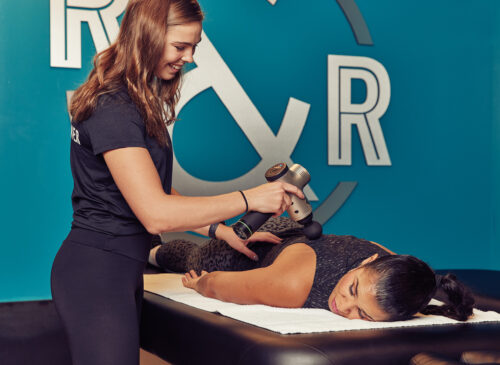
Depending on the membership level, Relax & Recover® amenities may include saunas, steam rooms, HydroMassage®, red light therapy, or other recovery options. Because amenities vary by location, check with your local Crunch before planning your post workout reset.
A Crunch personal trainer can look at your fitness level, movement, training history, and goals to help you build the right workout plan. Good programming mixes tough sessions with lighter days and rest, so you don’t feel sore all the time.
Sauna time can be enjoyable, but full recovery also means staying hydrated, eating well, getting enough sleep, doing mobility work, and resting when you need to. Crunch can help you put together a routine that combines exercise, expert advice, and recovery options, because real progress comes from what you do both in and out of the gym.
Crunch promotes a culture of positivity, inclusivity, and fun with no judgments by providing an environment for all individuals, regardless of their health and fitness goals. Find a Crunch gym near you to try our free trial membership, or join Crunch now. We’re here for you – at the gym or at home. Access the best live & on-demand workouts anytime, anywhere with Crunch+. Ready to get sweaty? Try hundreds of workouts for free! Start your free trial now!
The information provided in this article is intended for educational purposes only and should not be considered medical advice. Always consult a qualified healthcare provider before making decisions about your health or treatment.
Ideally, you should shower both before and after a sauna. Showering first supports hygiene, while showering afterward rinses away sweat and helps your body cool down.
No, using a sauna after a workout does not burn much body fat. Any quick weight loss is mostly water from sweating and comes back when you drink fluids.
Drink water before and after your sauna session. Drinking beforehand prepares you for sweating, and drinking after helps replace what you lost.
After a sauna, stay away from alcohol, hard exercise, or anything that makes you hotter or more dehydrated. Take time to cool down, drink water, and let your body get back to normal.
If you are dehydrated, overheated, feeling sick, or dizzy, skip the sauna after exercise. If you are pregnant or have heart, kidney, blood pressure, or heat-related issues, talk to your doctor before using a sauna. The information provided in this article is intended for educational purposes only and should not be considered medical advice. Always consult a qualified healthcare provider before making decisions about your health or treatment.
Some Crunch Fitness gyms offer saunas, steam rooms, or other Relax & Recover® features. What’s available depends on the club and your membership, so check with your local Crunch before you go. Find locations near me.