









What Are the Best Shoulder Strength Exercises?
January 14, 2026
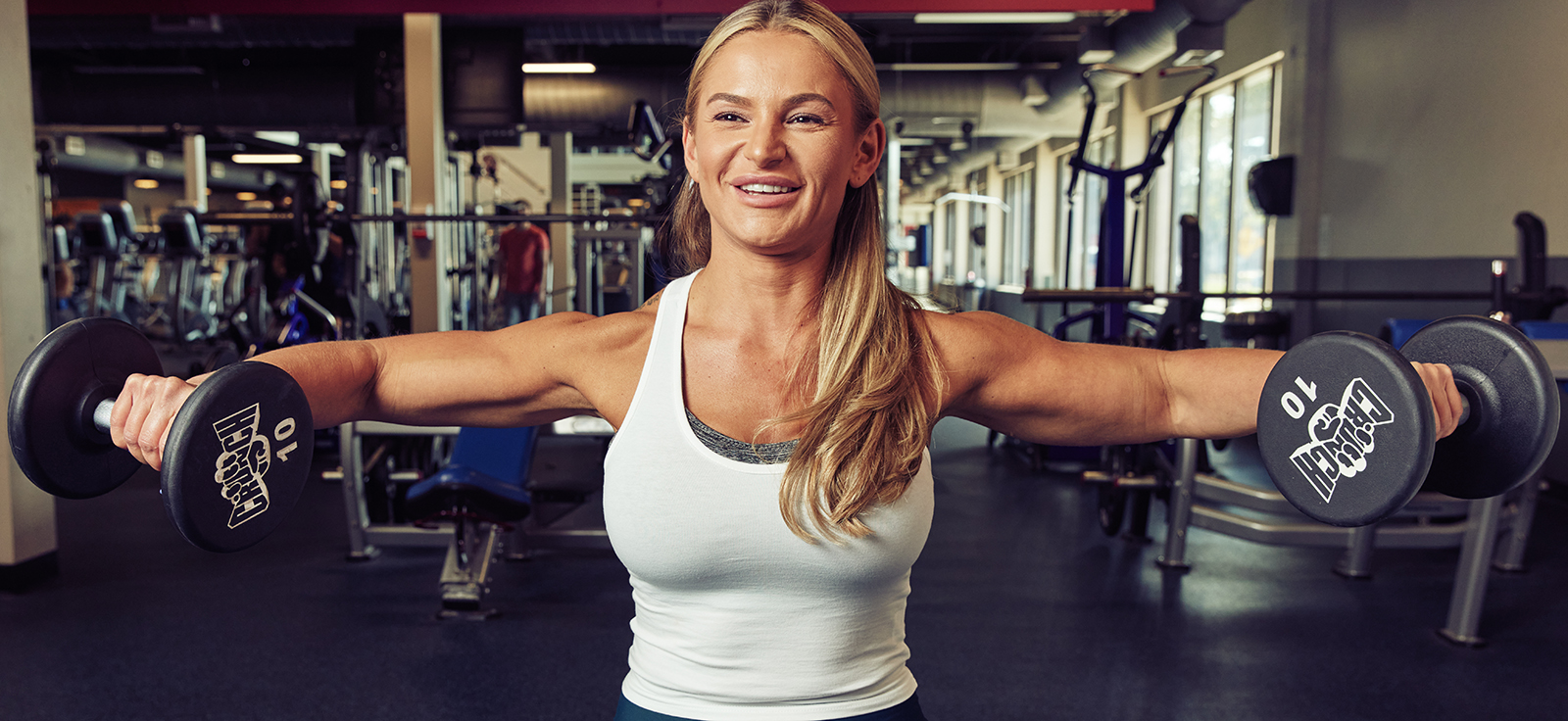
The best shoulder strength exercises target all three parts of the deltoids (front, side, and rear) while also strengthening the rotator cuff, traps, rhomboids, and upper back to keep your shoulders healthy.
This balanced method builds real shoulder strength, improves stability, and helps prevent pain and common injuries over time.
This article is for anyone who wants stronger, healthier shoulders; whether your goal is a bigger shoulder press, better posture, or pain-free upper-body workouts.
We’ll cover the best shoulder workouts, specific exercises, how often to train, and practical tips for mobility, recovery, and long-term shoulder health.
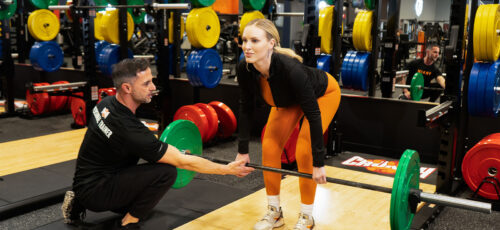
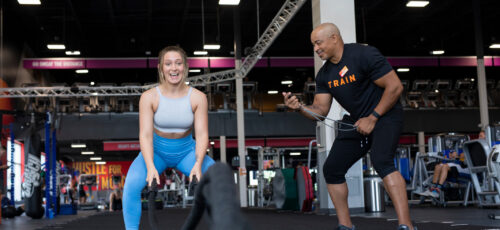
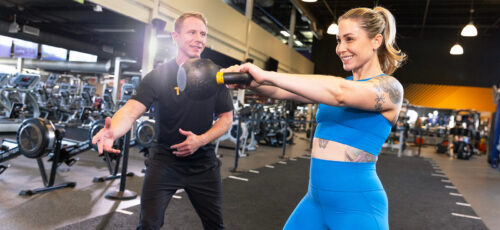
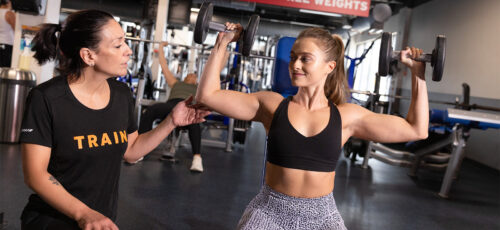
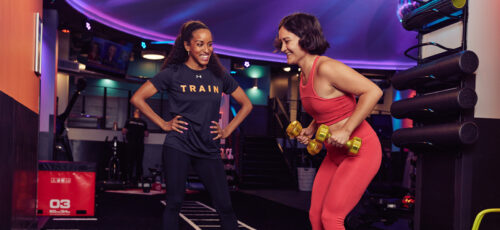
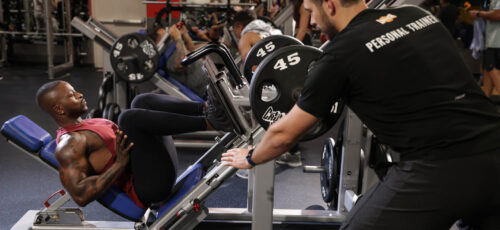
You can work on shoulder exercises by yourself, but working with a Crunch Fitness personal trainer is often the quickest and safest way to improve. Trainers look at your experience, movement, and goals to create a custom shoulder strength program that helps you get stronger and protects your joints.
Effective shoulder training relies on a complete program that develops strength through major movement patterns and supporting muscle groups. By training all three heads of the deltoids along with the rotator cuff and upper back, the shoulders become stronger and more resilient.
Here are the top shoulder exercises, organized by category:
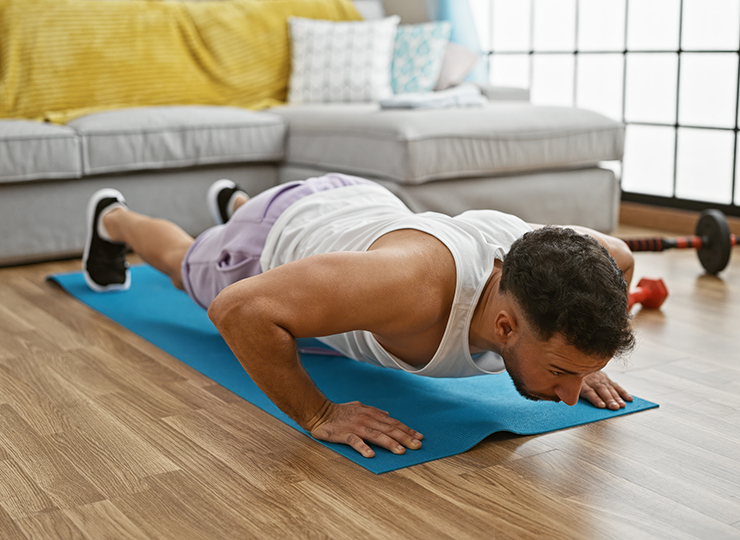
Bodyweight exercises help you build basic shoulder strength and learn good movement habits before adding extra resistance.
If you’re new to shoulder workouts or coming back after a break, bodyweight exercises are the safest way to begin. They are also great for warming up. These moves focus on control, good posture, and proper shoulder position.
Best bodyweight shoulder exercises:
Common mistakes to avoid:
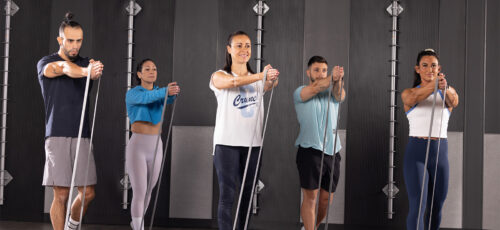
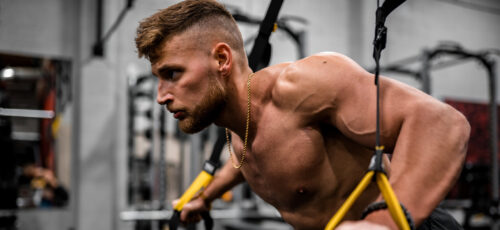
Resistance bands provide steady tension without impact, which makes them great for strengthening the shoulder joint and rotator cuff.
Bands are especially useful for people with shoulder pain or limited mobility. At Crunch Fitness, trainers often use bands to help you practice good form before moving on to weights.
Effective resistance band exercises:
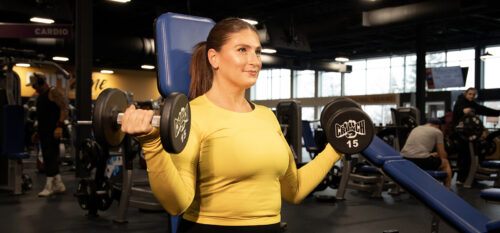
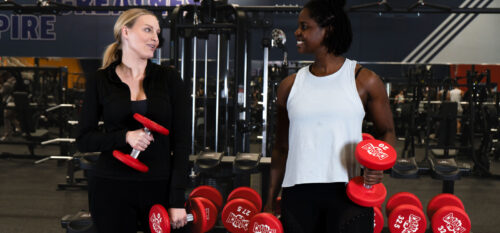
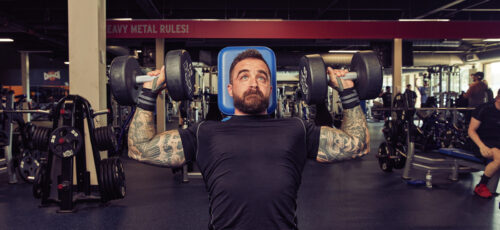
Dumbbells let you work each arm on its own, which helps improve balance and muscle coordination.
Top dumbbell shoulder exercises:
Tip: Use a moderate weight, move slowly, and aim for 8 to 15 reps to keep good control.
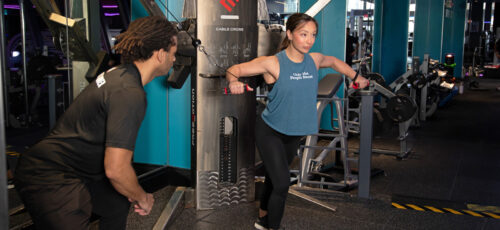
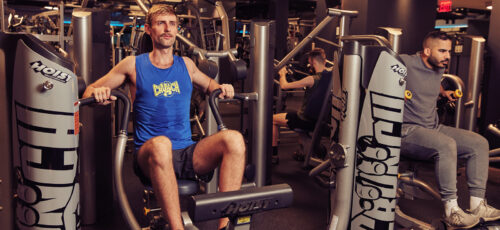
Machines and cables offer stability and steady tension, which makes them ideal for increasing your strength gradually. Start with 10 to 15 reps of each exercise and focus on smooth, controlled movements.
Recommended exercises:
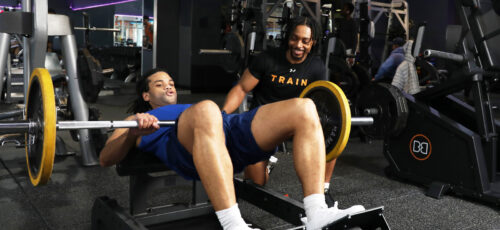
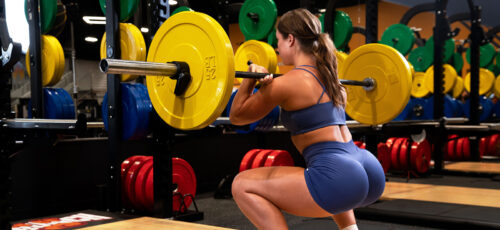
Barbell lifts help you build real strength and power after you have a solid foundation.
Power-based shoulder exercises:
Best practice: Do fewer reps (3 to 6) and focus on good form instead of lifting heavier weights.
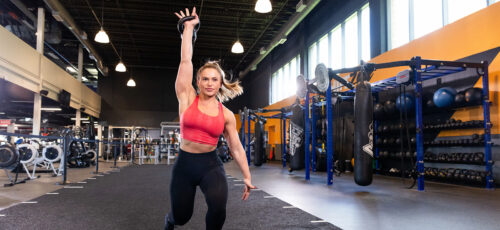
Functional exercises build strength in different directions, not just up and down. These exercises help keep your shoulders strong, stable, and less likely to get injured, both in and out of the gym.
Functional shoulder movements:
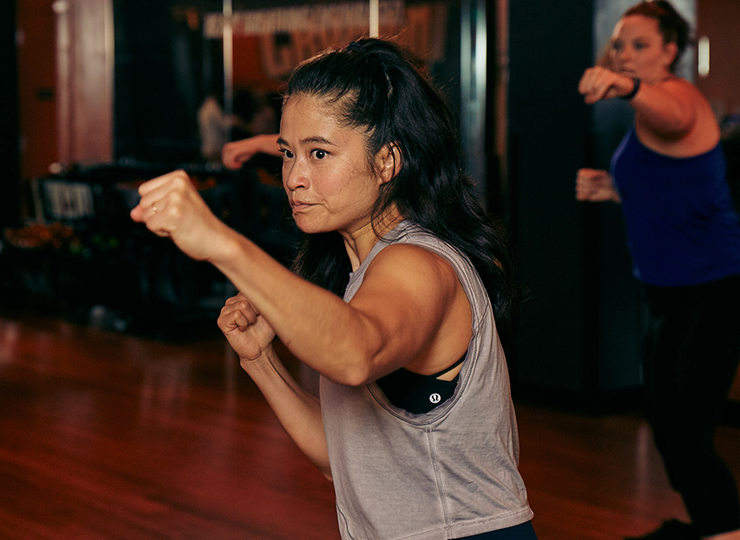
Research shows the shoulder is one of the body’s most mobile but also most vulnerable joints. It can move in many ways, but it needs strong muscles for support and stability.
That’s why building shoulder strength isn’t just for athletes. It’s important for everyone to move well, avoid injuries, and keep joints healthy over time.
Because the shoulder moves in so many ways, it’s both versatile and vulnerable. Clinical research shows that doing specific stability and strengthening exercises can improve how your shoulder works and lower your risk of injury by helping the muscles around the joint work better.
Strengthening the muscles that support your shoulder, like the deltoids, rotator cuff, and stabilizers, helps keep the joint steady and controlled during daily activities and sports.
Poor posture, such as rounded shoulders from sitting at a desk, is very common. Studies show that over 70% of adults have forward shoulder posture, which can lead to neck, back, and shoulder discomfort.
Strengthening your shoulder and upper-back muscles, along with working on your posture, helps your body stay better aligned. If these muscles are weak or out of balance, your body compensates, which can put extra stress on your neck, upper back, and even your lower back.
Getting stronger in these areas reduces the need for your body to compensate, which leads to better posture and more efficient movement.
Shoulder strength matters whether you’re pressing a new personal best, lifting a box onto a shelf, or just raising your arms to put on a shirt.
A good strength program not only helps your shoulders get stronger, but also improves how well your muscles work together for smooth, efficient movement.
This means you’ll perform better in overhead lifts and other tasks, whether in sports, at work, or in daily life.
Studies have found that exercise programs focused on shoulder strength and stability can reduce pain and improve how the shoulder works in people with shoulder problems.
Exercises that improve coordination, muscle activation, and balance around the shoulder can lower pain and improve function better than general therapy alone.
Building strength and control around the shoulder joint helps reduce stress on sensitive tissues, which lowers the risk of injuries such as:
For these reasons, clinicians often add specific shoulder strengthening exercises to rehab plans for different shoulder injuries. These exercises are not just for building muscle, but also for improving movement and protecting the shoulder over time.
Strong shoulders are foundational, not isolated. They work with the core, chest, back, and arms in virtually every compound upper-body movement: bench press, rows, pull-ups, overhead lifting, pushing, and pulling.
Stronger shoulder muscles help your body move more efficiently and make other lifts safer and more effective. They also help you stay stable during everyday tasks like carrying groceries, lifting kids, reaching overhead, or pushing open doors.
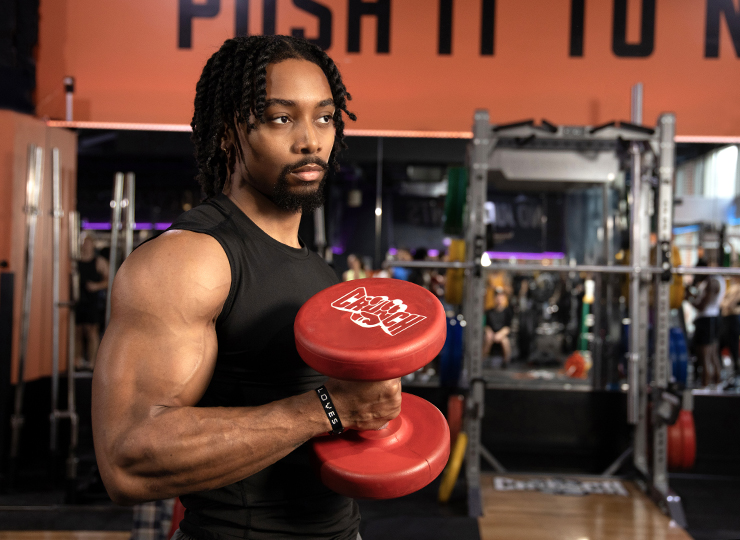
These tips can help you stay consistent, see real progress, and keep your shoulders healthy over time.
Shoulders do best with moderate training. Working them two or three times a week gives enough challenge for growth while still allowing time to recover.
Research shows that spreading your workouts over several days helps you get stronger and lowers the risk of overuse injuries, compared to doing everything in one session.
You build stronger shoulders by gradually increasing the challenge, not by making big jumps in weight. Add a little more weight, reps, or sets over time.
Taking it slow protects your rotator cuff and shoulder joint, and lets your muscles adapt safely.
Discover: Seeing the Progress of Fitness Classes
Building strong shoulders isn’t just about presses and raises. You need a balanced approach that includes:
If you skip these areas, you might end up with shoulder pain and poor movement.
Good form is more important than lifting heavy weights. Move with control, keep your elbows in the right spot, and make sure your shoulder blades are stable. If your form slips, the weight is too heavy, no exceptions.
A good warm-up gets blood flowing and gets your shoulders ready to move. Light band work, mobility drills, and activation exercises help lower your risk of injury. Cooling down with stretching and gentle movement helps you recover and keeps your shoulders flexible.
Try this: The Perfect 10 Minute Warm Up
Shoulders get stronger when you challenge them in different ways. If you only do traditional shoulder workouts, your progress can slow down, especially since repeating the same moves can put stress on the joint.
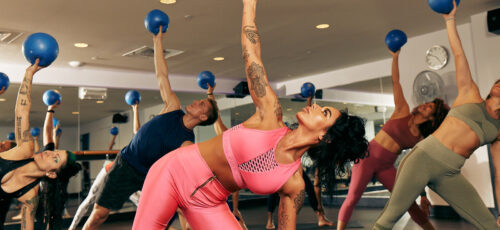
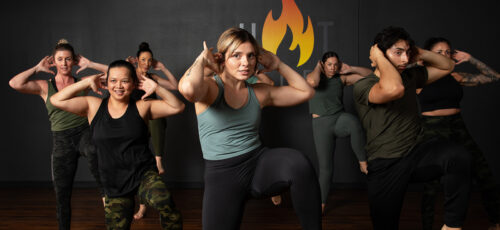
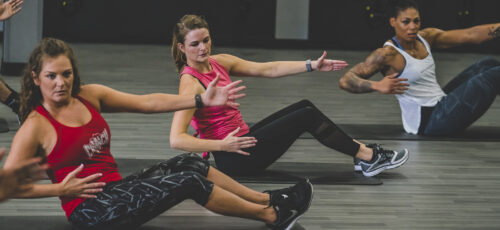
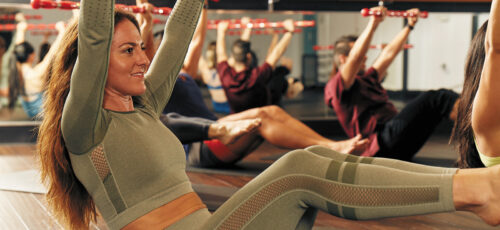
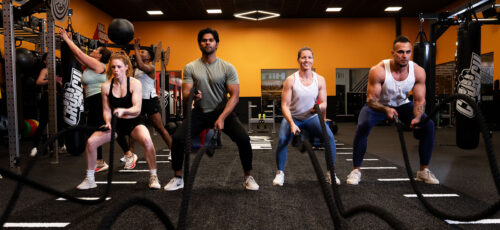
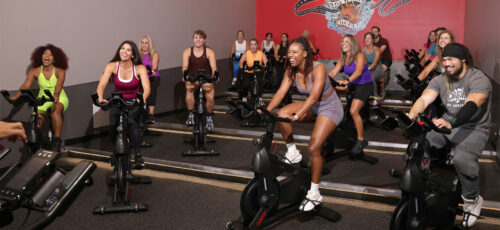
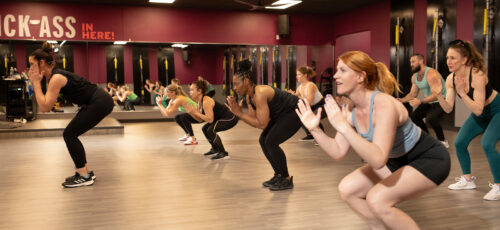
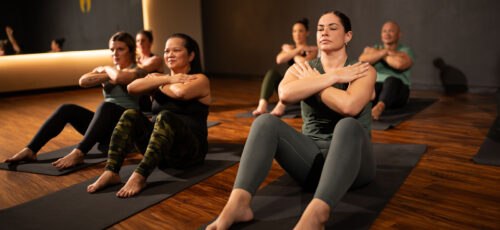
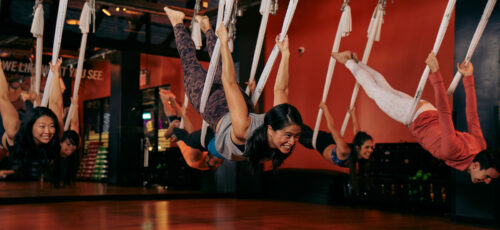
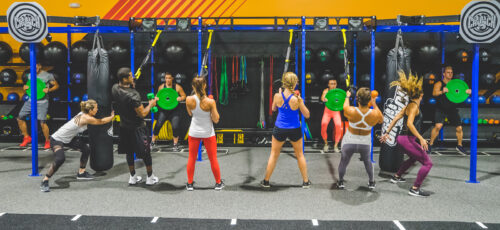
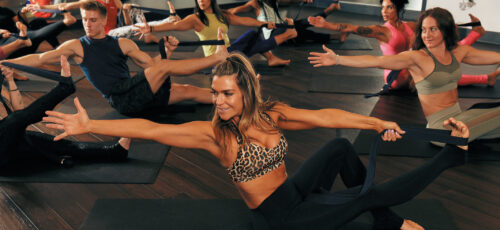
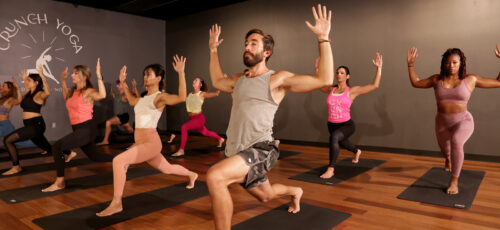
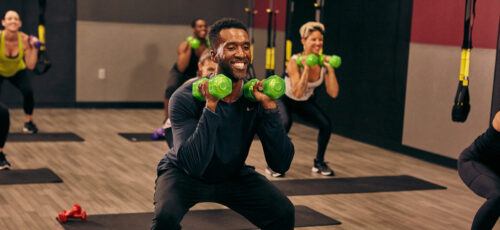
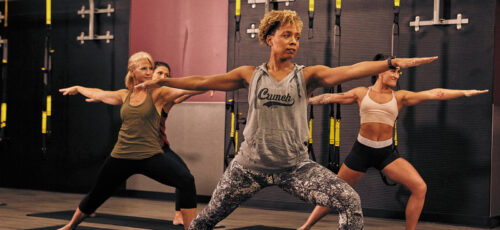
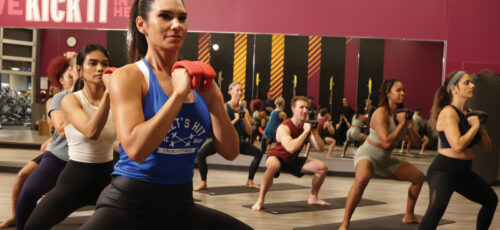
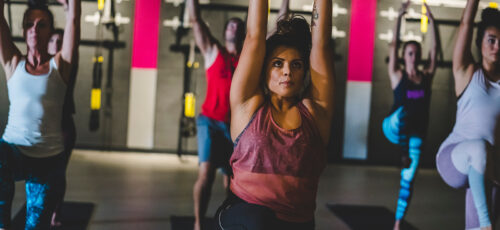
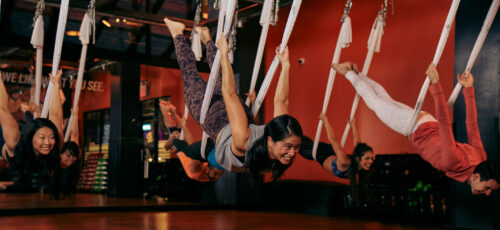
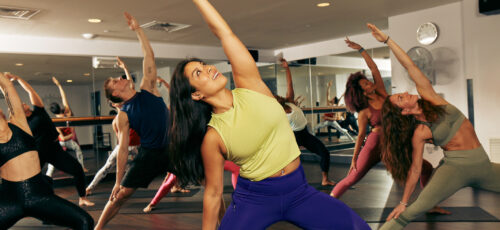
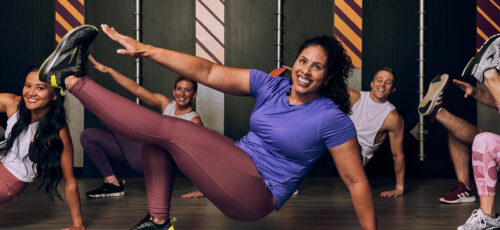
Crunch’s group fitness classes add variety to traditional shoulder exercises by mixing up movements, changing the pace, and including full-body coordination.
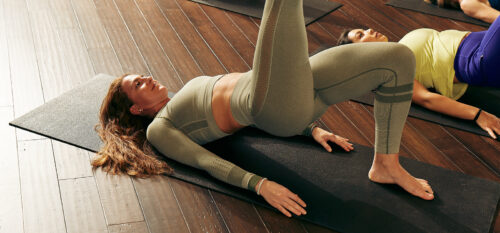
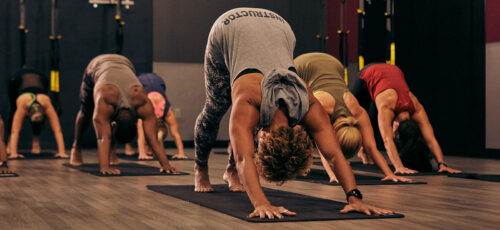
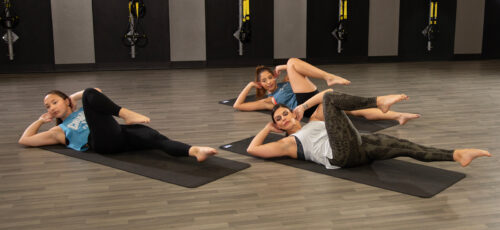
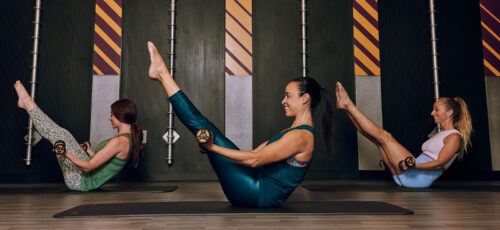
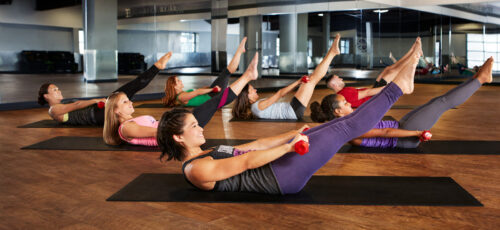
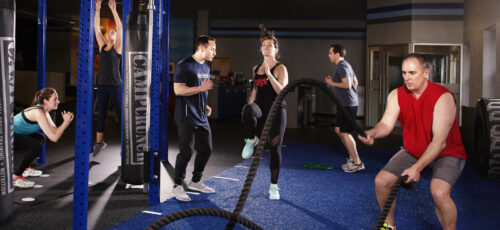
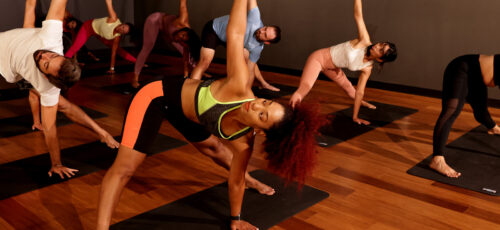
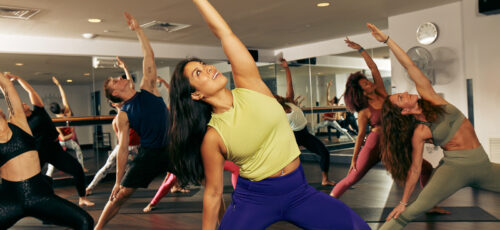
Yoga and Pilates help your shoulders move better and give you more control. HIIT and kickboxing test your endurance and help your shoulders stay stable even when you’re tired.
Mixing different types of workouts keeps your shoulders strong without overworking them. It also helps you recover and makes training more fun.
When workouts are interesting, people are more likely to stick with them. Staying consistent is one of the best ways to build strong, healthy shoulders over time.
Tracking your progress is important. Whether you count reps, weight, sets, or just notice how your shoulders feel, keeping track helps you see what’s working. It also helps you avoid overtraining and know when to change things up.
Read: How to Define SMART Fitness Goals and Stick to Achievable Routines
You can train your shoulders on your own, but you’ll get faster and safer results with a professional. Crunch Fitness trainers look at your experience, posture, movement, and goals to create a custom shoulder strength plan.
Read more: YES, Personal Trainers Tailor Programs to Your Needs
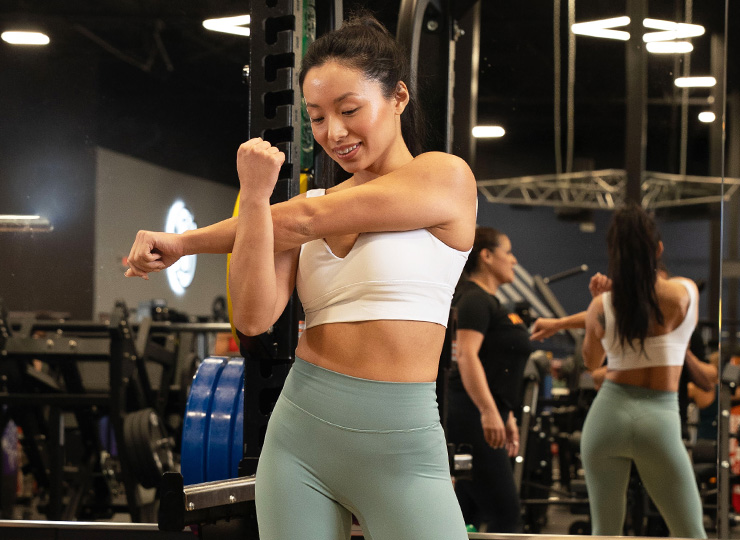
Stretching your shoulders and nearby muscles helps you move better, keeps your joints stable, and can prevent common injuries. It’s best to do these stretches after workouts or on recovery days, when your muscles are warm and more flexible.
Key shoulder stretches to include:
Why stretching is important:

There’s no one-size-fits-all approach to shoulder strengthening. The best plan depends on your lifestyle, training history, and any past injuries. Knowing how to adjust your workouts helps you make progress and avoid setbacks.
Different populations need different strategies:
Athletes
Athletes often need shoulder strength and stability that matches their sport. Activities like throwing, or contact sports require extra focus on rotator cuff endurance, scapular control, and safe overhead movements.
Office workers
Spending long hours at a desk often leads to rounded shoulders and neck tension. Shoulder workouts for office workers should focus on improving posture, building upper-back strength, and increasing mobility before adding heavy pressing exercises.
Older adults
As we age, our shoulders do better with controlled movements, lighter weights, and a focus on stability and range of motion. Progress slowly to keep your joints healthy.
People recovering from injury
Shoulder rehab often focuses on relearning movement patterns, moving more slowly, and using smaller ranges of motion before going back to full strength exercises.
Shoulder impingement: Limit deep overhead ranges initially and focus on pain-free pressing angles, rotator cuff strengthening, and scapular control.
Rotator cuff strains: Prioritize light resistance, isometric holds, and external rotation exercises before progressing to compound lifts.
Tendonitis: Reduce volume and intensity temporarily, slow down tempo, and emphasize recovery and mobility work.
Limited overhead mobility: Use landmine presses, incline presses, or partial ranges until mobility improves.
Yes, everyone can benefit from shoulder exercises—not just athletes. Modern habits like sitting, using laptops, and looking at phones can cause rounded posture and limited shoulder movement, which may lead to pain or injury over time.
Building shoulder strength helps you stand taller, strengthens important muscles like the rotator cuff and upper back, and makes daily movements like lifting, reaching, and carrying safer and easier. It also boosts your performance in pressing, pulling, and overhead activities.
The key is to train your shoulders the right way. A balanced plan that includes strength, mobility, and recovery helps everyone make safe progress. Working with a Crunch Fitness trainer gives you a program tailored to your posture, experience, and goals.
Building shoulder strength takes consistency, but the results are encouraging. Most people notice early improvements in 2 to 4 weeks of regular training, like better shoulder control, more confidence with movements, and improved posture.
You’ll usually see bigger, more noticeable strength gains after 6 to 8 weeks of steady shoulder training. At this point, your muscles adapt to heavier loads, your movements get smoother, and daily or athletic tasks start to feel easier.
That said, progress varies based on several factors:
Some people, especially beginners, gain strength faster, while others—like those coming back from injury—may progress more slowly. Building shoulder strength and mobility takes steady effort, gradually increasing the challenge, and smart recovery.
It’s easier and safer to build strong, healthy shoulders when you’re in the right environment. Crunch Fitness stands out by offering expert guidance, smart workout plans, and top-quality equipment to help you get real results.
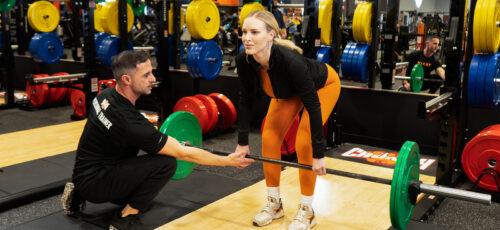
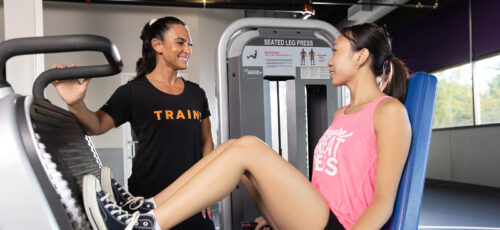
Crunch’s certified trainers begin with a full assessment of your posture, mobility, strength, and any limitations. Then they create a personalized shoulder-strengthening plan, adjusting exercises as your goals and abilities change. You’ll never get a one-size-fits-all program.
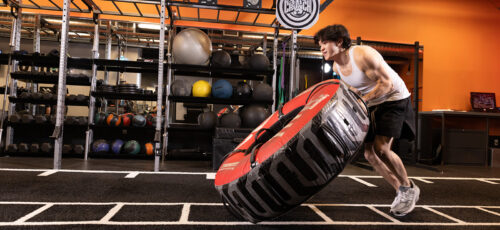
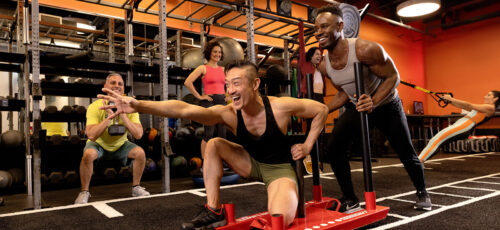
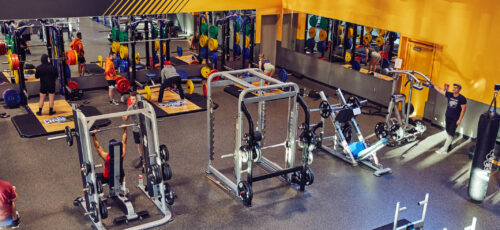
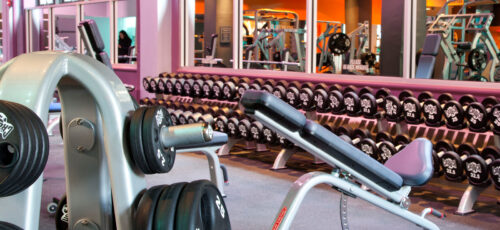
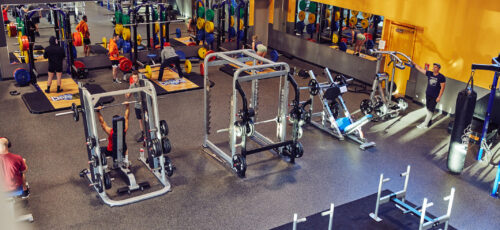
Crunch gyms have everything you need to build strong shoulders, like resistance bands, free weights, cable machines, and functional training tools for all fitness levels.
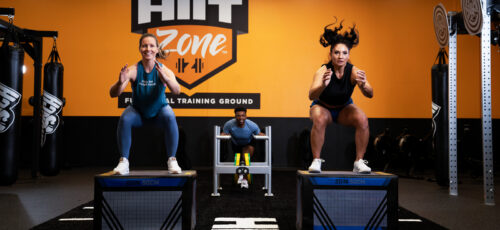
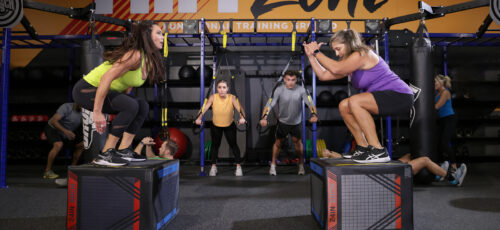
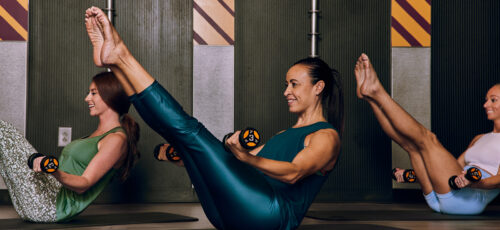
Group fitness classes at Crunch include shoulder-strengthening moves in fun, motivating sessions. There are also dedicated training areas with safe, well-maintained spaces for dynamic, real-world shoulder exercises.
Crunch promotes a culture of positivity, inclusivity, and fun with no judgments by providing an environment for all individuals regardless of their health and fitness goals. Find a Crunch gym near you to try our free trial membership, or join Crunch now. We’re here for you – at the gym or at home. Access the best live & on-demand workouts anytime, anywhere with Crunch+. Ready to get sweaty? Try hundreds of workouts for free! Start your free trial now!
Training your shoulders two or three times a week works well for most people. This gives your muscles enough challenge to get stronger, while also letting your shoulder joint and rotator cuff recover.
You shouldn’t feel sharp pain or pain in your shoulder joint during workouts. It’s normal to have mild muscle soreness for a day or two after training, but if you feel pain while moving, stop and check your form, weight, or exercise choice.
Yes, you can, but you need to be careful. If you’ve had a shoulder injury before, you can still get stronger by using easier exercises, lighter weights, and moving your shoulder in a controlled way. A Crunch Fitness personal trainer can help you find a safe plan.
Usually, it’s not a good idea to train your shoulders every day because it can lead to overuse injuries. Doing some light mobility or warm-up exercises is okay, but you should leave time between strength workouts so your shoulders can recover.
Yes. Stretching after shoulder workouts helps maintain mobility, reduce stiffness, and support recovery, especially if you do pressing or overhead movements regularly.