









5 Ways To Build Hand Strength for Heavier Lifts
January 25, 2026
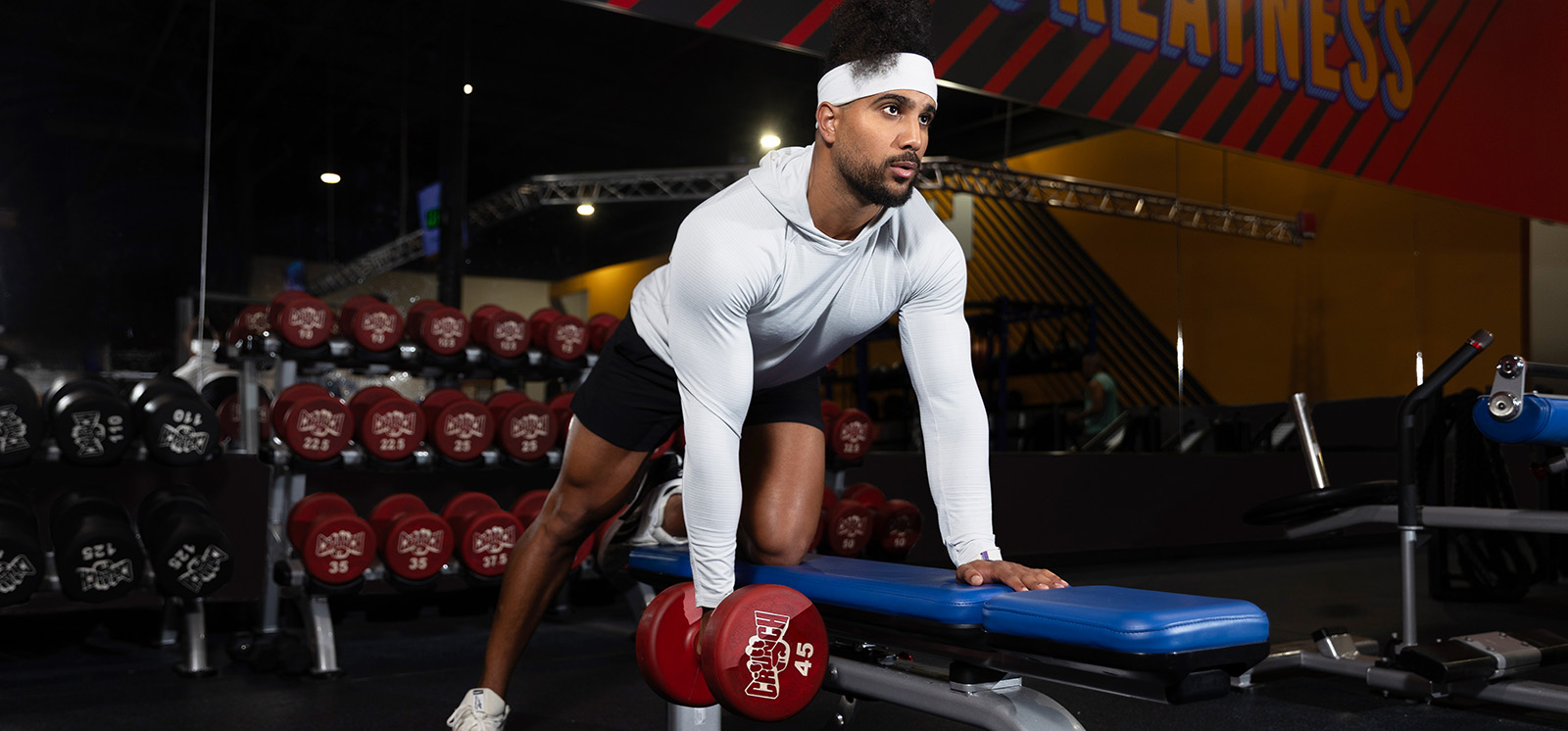
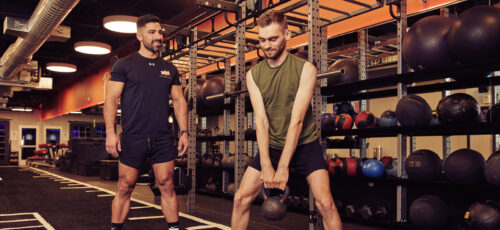
Have you ever been strong enough for a heavy lift, but your hands gave out first? You’re not alone. If your grip fails before your muscles, it’s time to focus on hand strength, which is often overlooked but essential for safer, stronger lifts. Whether you’re doing deadlifts, pull-ups, rows, or carries, grip strength quietly connects your muscles, joints, and nervous system so you can transfer power to the bar.
Research shows that having a stronger grip is linked to better overall strength, fewer injuries, and healthier joints over time. In other words, strong hands help you lift more weight and keep lifting for longer.
In this article, we’ll explain what exercises build hand strength for heavy lifts using tools you already see at Crunch Fitness: wrist curls, dead hangs, resistance work with rubber bands, finger extensors, and simple grip drills you can do on a flat surface or between sets.
You’ll learn how to strengthen your fingers, thumb, wrist, and forearms without aggravating joints or risking issues like elbow pain or carpal tunnel syndrome.
You’ll also find:
If you want guidance, motivation, or a smarter workout plan, Crunch Fitness is here to help you make real progress.
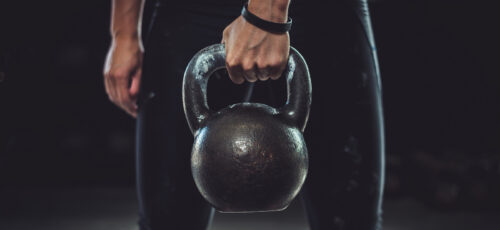
You might have strong legs, a powerful core, and solid shoulders, but if your hands can’t hold the weight, your lift stops there. Building hand strength isn’t just helpful; it’s essential for real progress. Your grip is the first point of contact with the weight, acting as the bridge that transfers power from your muscles to the bar, kettlebell, or dumbbell.
When your grip is weak, your body tries to compensate. You squeeze harder, your forearms get tired faster, and your wrist, elbow, or shoulder may start to feel extra stress. Over time, this can cause discomfort, limit your movement, or even lead to injury.
Stronger hands, fingers, thumbs, and forearms give you better control, coordination, and joint stability, so you can lift heavier and more safely.
Grip strength matters in daily life, too. Whether you’re carrying buckets, grabbing bars, or doing pulling exercises, your hands are always working. Research also links grip strength to better health and longer life as you age, showing that hand strength is important beyond the gym.
The good news is you don’t need special equipment. Simple exercises like wrist curls, wrist extensions, dead hangs, rubber band finger work, and plate pinches can gradually build strength without putting too much stress on your tendons or nerves.
Discover: Excellent Grip & Wrist Strengthening Exercises
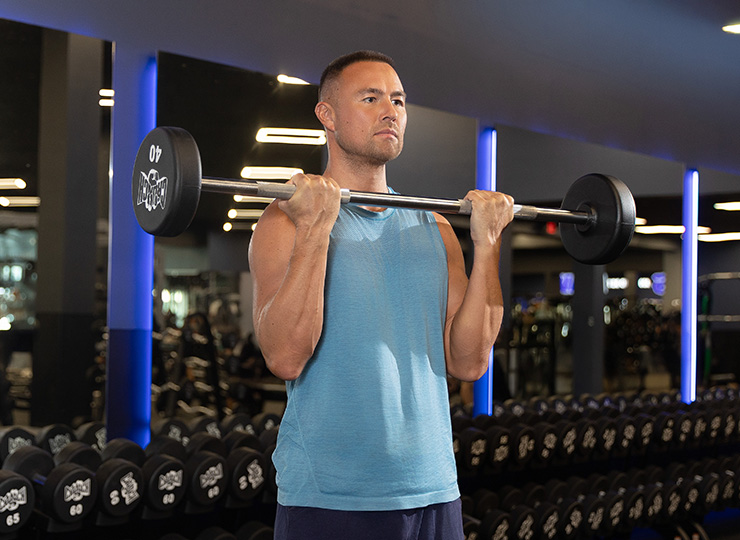
If your grip gives out before your muscles do, these exercises will change the game. Each move below targets a different part of your hands, fingers, wrists, and forearms, helping you build hand strength that actually carries over to heavier lifts, better control, and fewer breakdowns mid-set.
Dead hangs train grip endurance, forearms, finger flexors, and shoulder stability. They also decompress the spine and improve joint mobility.
Farmer carries hit grip strength, forearms, shoulders, core, hips, and posture. Your hands must resist fatigue while stabilizing the load.
Plate pinches strengthen the thumb, fingertips, finger extensors, and small stabilizing muscles often neglected in traditional lifts.
Wrist curls target the forearm flexors and extensors, improving grip strength, wrist control, and joint resilience.
Hand grippers improve crushing grip strength, finger coordination, and neuromuscular control—perfect for daily tasks and lifting support.
Tips
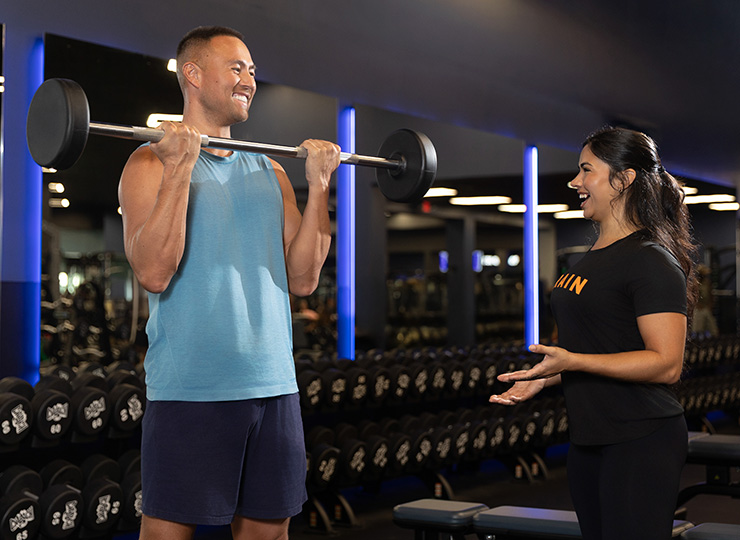
You don’t need to train at maximum effort every day to build stronger hands. Like any muscle group, your hands, wrists, and forearms respond best to the right balance of training, recovery, and consistency.
A simple weekly plan can help you build hand strength without putting too much stress on your tendons or joints, especially if you already lift heavy.
The goal: train grip 2–3 times per week, paired with your regular workouts.
This approach balances strength, endurance, and recovery, which helps you avoid stiffness, swelling, or discomfort. If your grip feels sore or weak, it’s a sign to rest instead of pushing harder. Building strong hands takes time and patience.
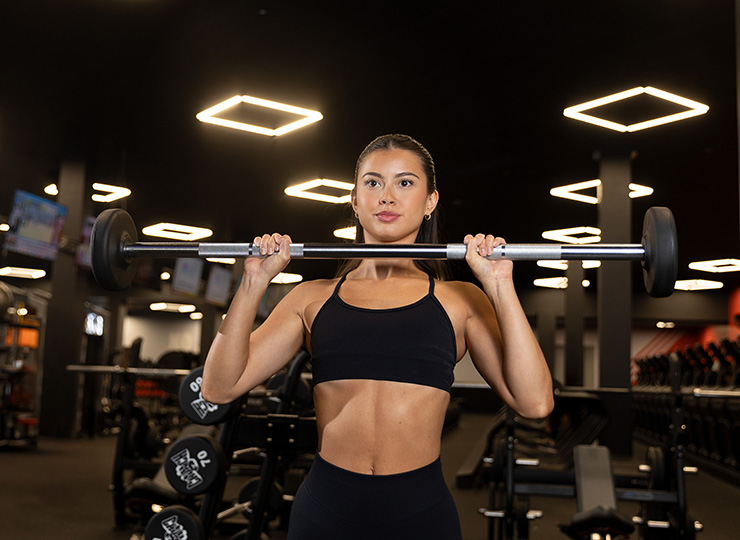
If you’re short on time, you can still build hand strength with a focused 10-minute routine that fits easily into any Crunch Fitness workout. You can do this before lifting heavy or add it to the end of your session.
This routine trains grip endurance, pinch strength, wrist stability, and control, all in just a few minutes. Do it 2–3 times per week, and you’ll notice a real difference in how confidently you grab, hold, and lift.
If you want help with your load, form, or progressions, Crunch Fitness trainers are ready to help you build a strong grip, step by step.
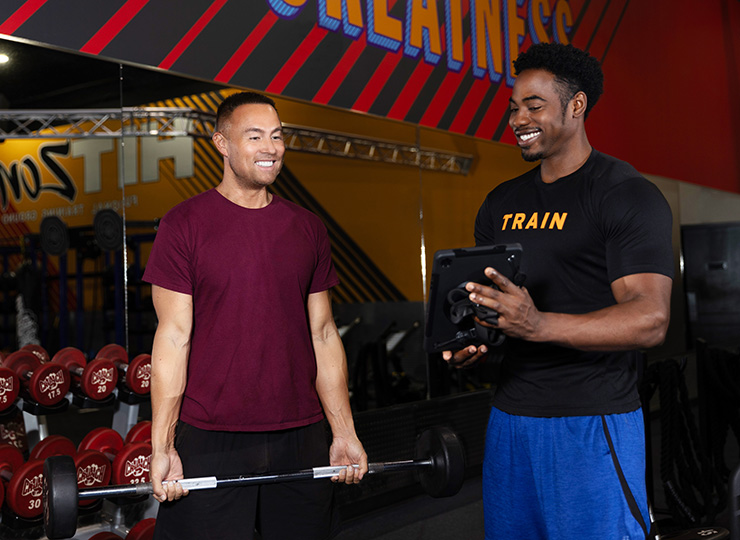
Grip strength isn’t just something you notice; it’s something you can track, measure, and improve over time. As you build hand strength, you’ll see gains in your workouts and in your long-term health.
Start with simple, gym-based markers. Grip progress is best measured by consistency under the same conditions:
Time, load, and control are your three main indicators. Improvements don’t have to be dramatic. Small, steady gains mean your hands, forearms, tendons, and nerves are adapting safely.
You’ll also notice grip progress showing up in your big lifts. A stronger grip often means:
Grip strength is important for more than just performance. Research has repeatedly linked grip strength to overall health and longevity.
A large review published in Clinical Interventions in Aging found that grip strength is strongly associated with aging outcomes, physical function, and mortality risk, making it one of the simplest and most powerful indicators of overall health as we age.
In other words, grip strength reflects how well your muscles, joints, coordination, and nervous system are working together.
That’s why grip strength is now a major topic in the wellness and longevity world. It’s about staying strong and capable as you get older.
Track your grip strength each week, be patient, and focus on being consistent. Stronger hands will help you lift better now and build a more resilient body for the future.
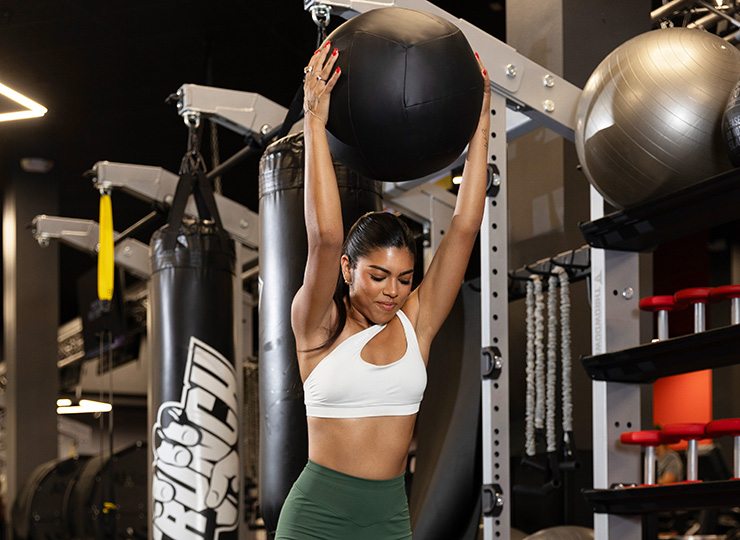
Grip gains aren’t always obvious, but if you know what to look for, the signs are clear. When you consistently build hand strength, you’ll notice progress in small, practical ways that make lifting feel easier and more confident.
Here’s what a stronger grip usually looks like in real life at the gym:
You may also notice benefits outside the gym, such as simple daily tasks like carrying bags, opening jars, or gripping tools, that feel easier.
These are all signs that your fingers, thumb, wrist, forearm muscles, and tendons are getting stronger together. Progress doesn’t have to be fast to matter. Consistency is what really counts.
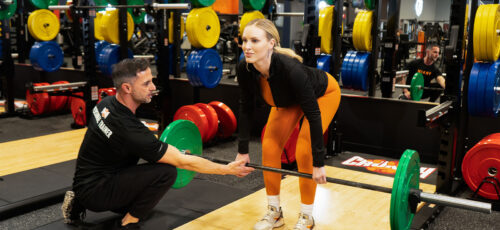
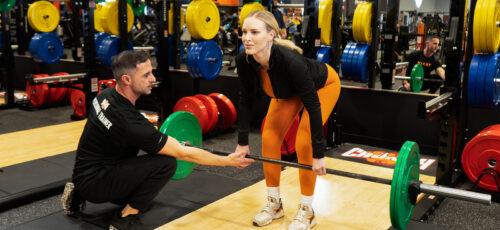
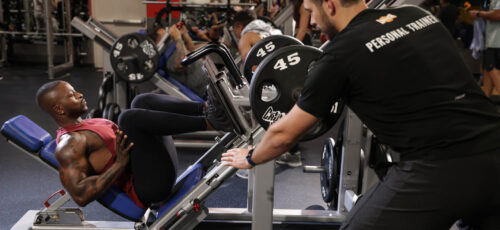
Crunch Fitness trainers help you build hand strength faster by removing the guesswork from grip training. Instead of just squeezing harder or adding random exercises, they look at how your hands, wrists, forearms, and shoulders work together during your lifts. This helps them find where your grip starts to fail and address it directly.
Trainers guide you through proper technique on exercises like dead hangs, farmer carries, wrist curls, and hand grippers so your muscles, tendons, and joints adapt safely.
They also help you balance strength and recovery, making sure you don’t overload your wrists or elbows, which can slow your progress or cause discomfort. By adjusting resistance, volume, and rest, they help you build hand strength steadily and safely.
Just as important, Crunch trainers know how to fit grip training into your current workouts. Instead of adding extra time, they show you where grip work fits naturally to support your main lifts.
Whether your goal is lifting heavier, improving control, or protecting your joints long-term, their guidance helps you progress faster, lift with more confidence, and stay consistent week after week.
Crunch promotes a culture of positivity, inclusivity, and fun with no judgments by providing an environment for all individuals regardless of their health and fitness goals. Find a Crunch gym near you to try our free trial membership, or join Crunch now. We’re here for you – at the gym or at home. Access the best live & on-demand workouts anytime, anywhere with Crunch+. Ready to get sweaty? Try hundreds of workouts for free! Start your free trial now!
Yes. You can increase hand strength with consistent grip exercises like dead hangs, farmer carries, wrist curls, and hand grippers. Progress comes from regular practice and proper recovery.
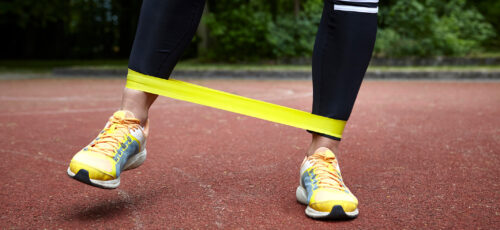
Start with light resistance and controlled movements. Use exercises such as soft ball squeezes, rubber band finger extensions, wrist curls, and short hangs, then gradually increase load or time.
The 10 rule suggests adding about 10% more time, weight, or reps to your grip exercises each week. This helps improve strength steadily without overloading joints or tendons.
Common signs include dropping weights, short dead hang times, forearm fatigue before muscles, shaky holds, and wrist or elbow discomfort during lifts.