









What Are the Best Ab Workouts To Build A 6-Pack?
January 14, 2026
Picture holding a plank: your arms are straight, legs extended, body aligned, and abs tight as you breathe in. That tension comes from your whole core working together. The best ab workouts for a six-pack target the rectus abdominis, obliques, and deep core muscles like the transverse abdominis.
A good six-pack workout is more than just sit-ups. Exercises like leg raises, bicycle crunches, side planks, hollow body holds, and ab wheel rollouts help build real core strength and stability. However, exercise alone won’t make your abs visible. Body fat levels are important, which is why people say, “abs are built in the kitchen.”
This article is for anyone looking to build a stronger, more defined core for better posture, performance, and confidence. You can train your abs on your own, but working with a Crunch Fitness personal trainer is often the quickest and safest way to build core strength and create a workout and nutrition plan that fits your goals.
If you want visible abs, the goal is building core strength and stability. Here are the best types of ab exercises to include in a six-pack ab workout, depending on your experience level and training purposes.
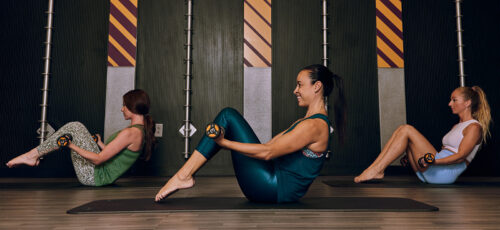
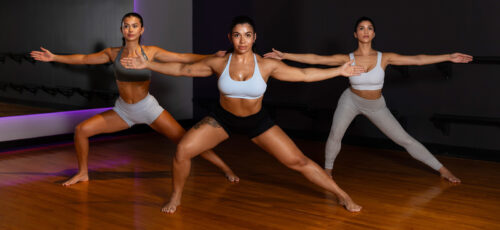
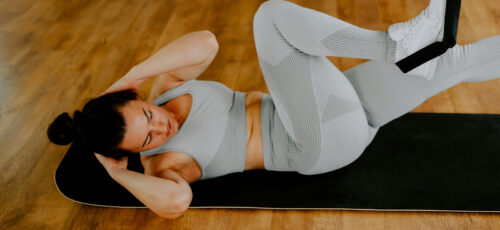
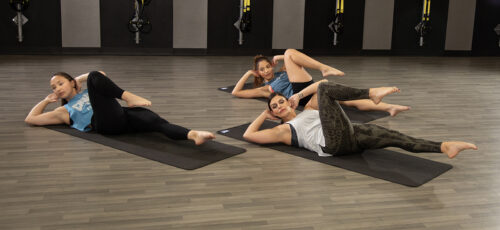
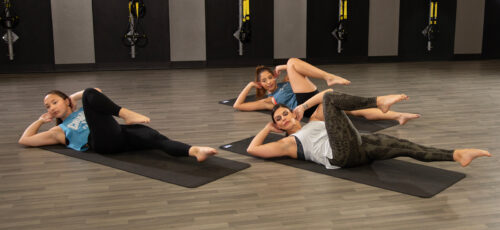
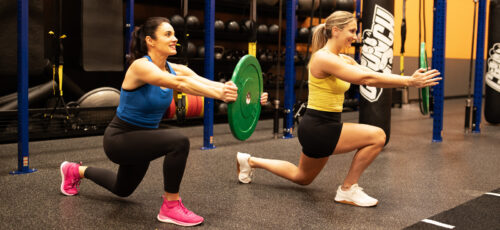
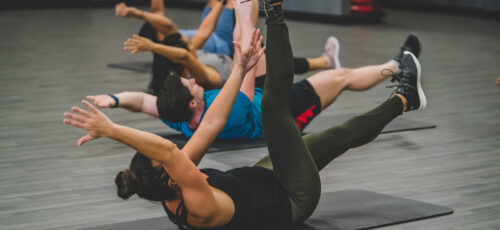
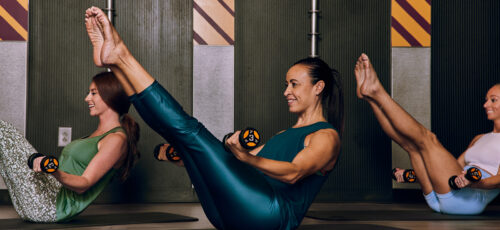
Bodyweight movements are where strong abs are built first. No equipment required; just control, breathing, and core engagement. These exercises teach your body how to keep your core tight during movements before adding resistance.
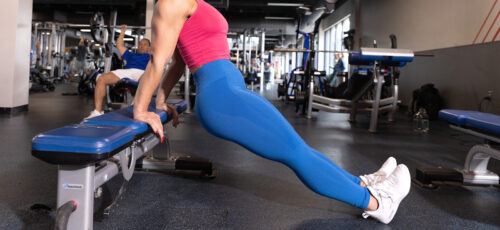
Effective bodyweight ab exercises include:
8–12 reps per side or 20–40 second holds, 2–3 sets.
Try these now: Top Bodyweight Exercises for Beginners with No Equipment
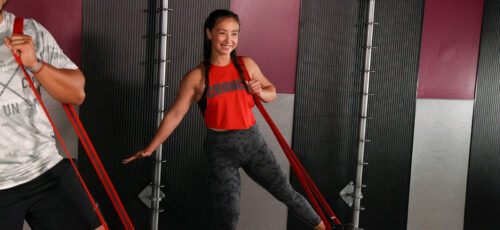
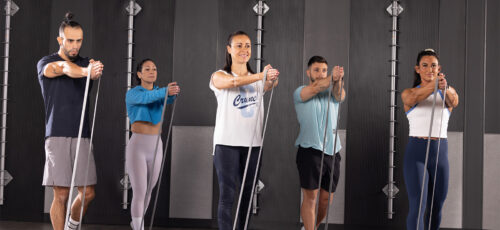
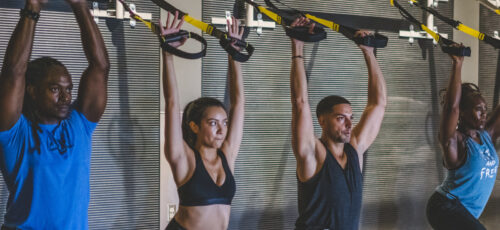
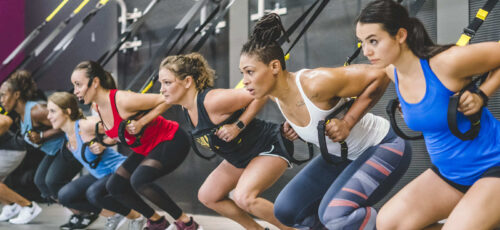
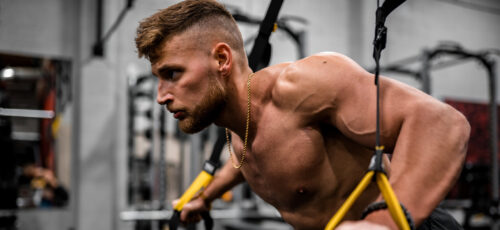
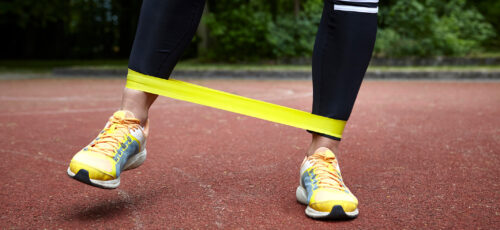
Resistance bands provide controlled tension without heavy weights, making them a safe way to build ab strength. They are great for training rotation, stability, and anti-rotation movements.
Try these band-based core exercises:
Crunch Fitness offers multiple band options and coaching to help ensure proper form and progression.
10–15 reps or 20–30 second holds, 2–3 sets.
Start today: How do I Use Resistance Training for Weight Loss?
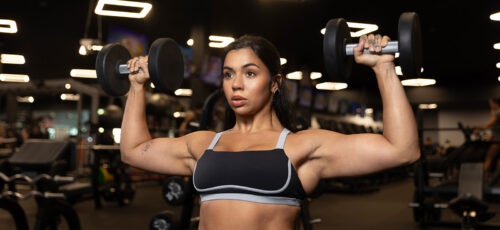
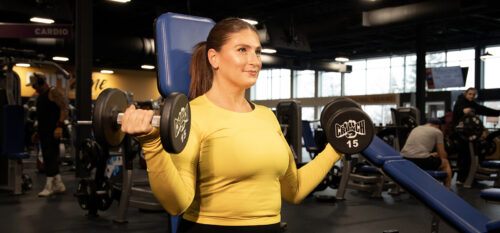
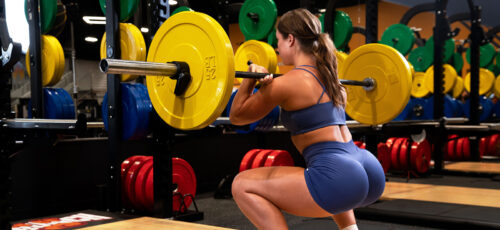
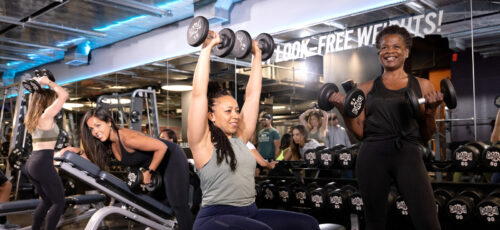
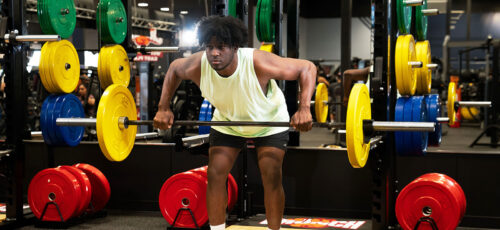
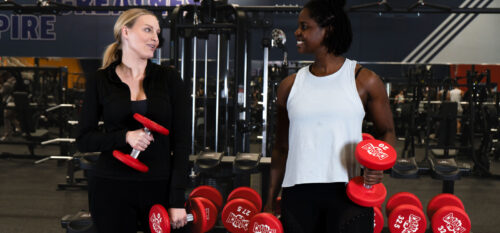
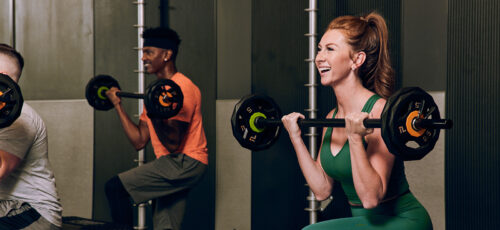
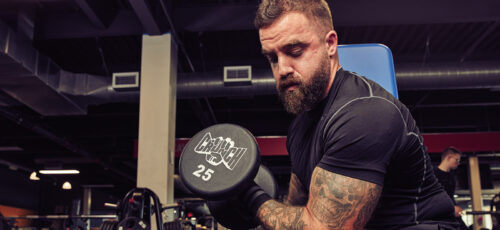
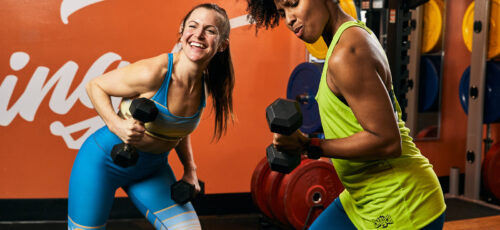
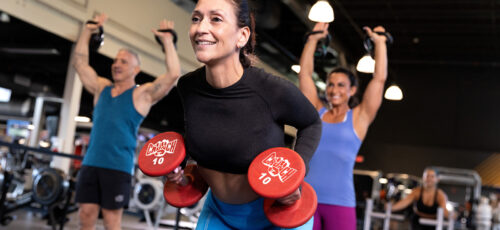
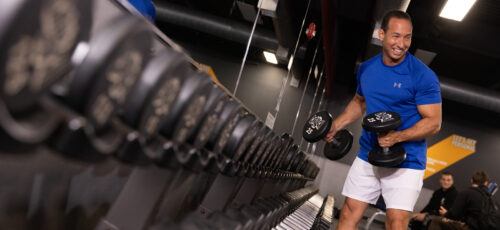
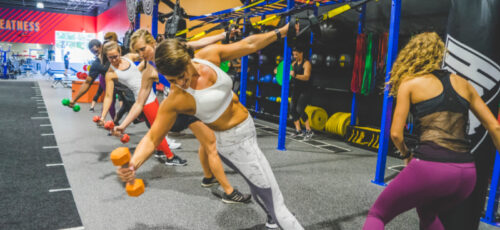
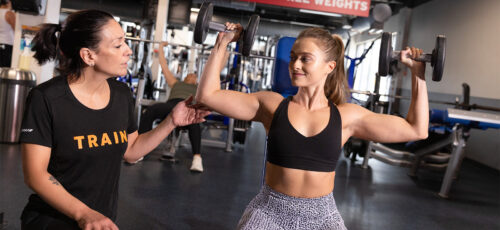
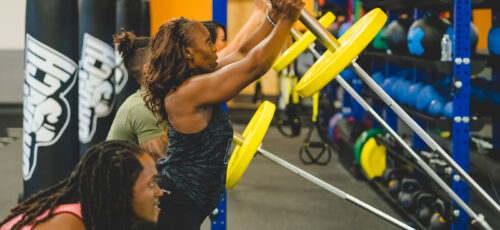
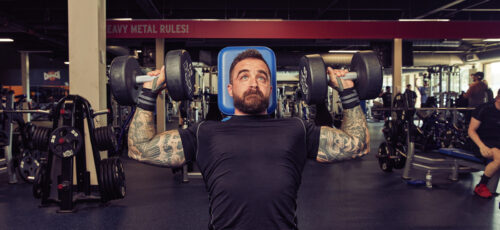
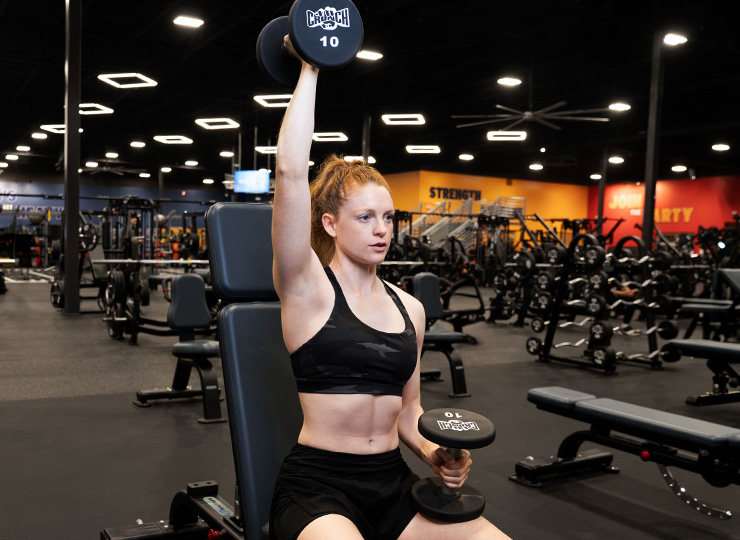
After you have good control of bodyweight exercises, adding weight increases muscle tension and helps make your abs more visible. Dumbbells work both your core and upper body, making your abs stabilize as you lift.
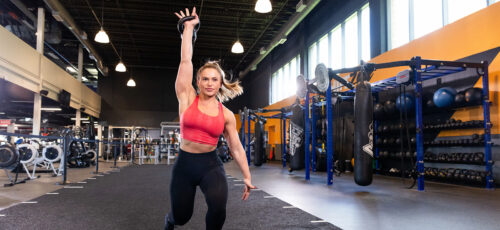
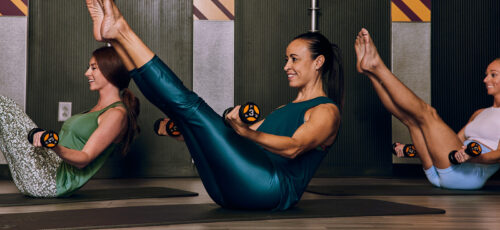
Some popular exercises are dumbbell Russian twists, weighted sit-ups, overhead carries, and weighted planks. Move slowly, keep your core tight, and lower the weight with control. If your lower back starts to arch or you use momentum, use less weight.
8–12 reps or 30–45 second holds.
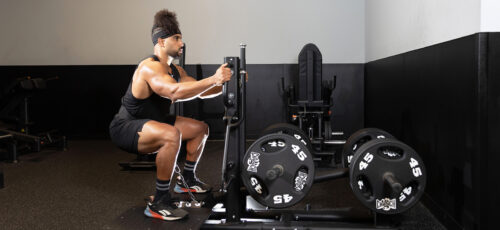
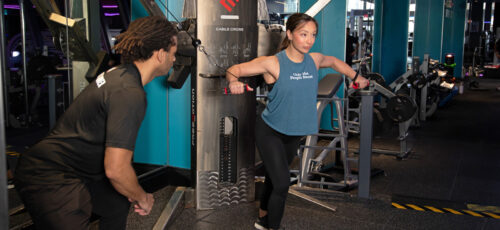
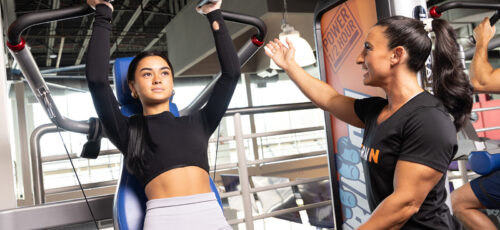
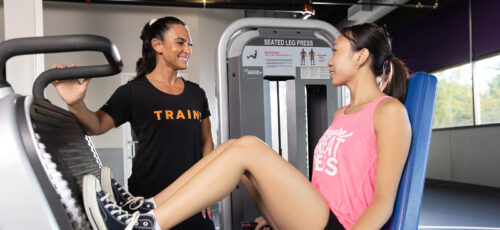
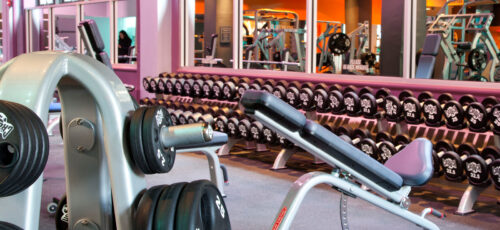
Cables and machines give steady tension and let you control the weight, which makes them great for building overall core strength.
Common cable and machine exercises:
Move slowly and with purpose. Using momentum makes ab training less effective.
10–15 controlled reps, 2–4 sets.
Read: What Equipment Does Crunch Fitness Provide?
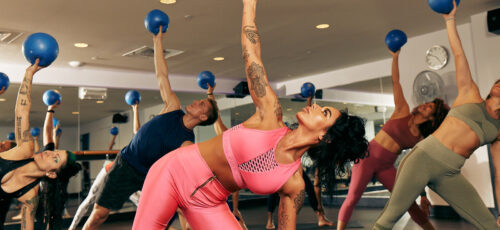
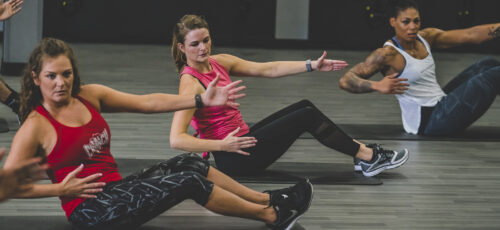
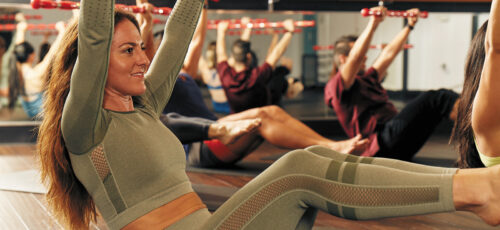
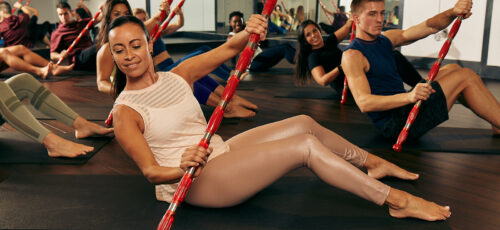
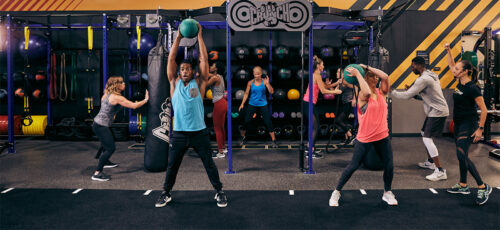
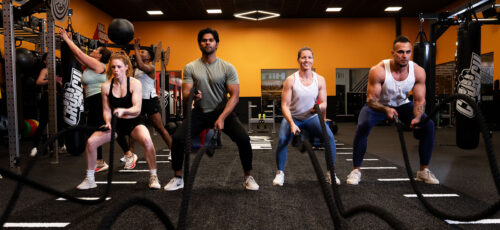
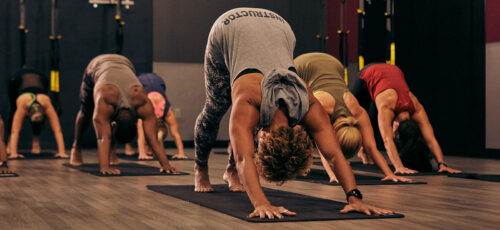
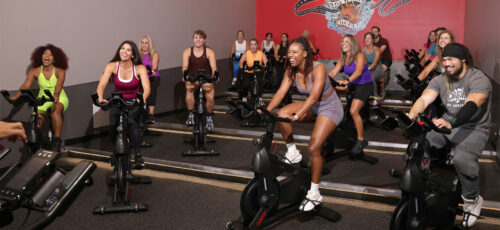
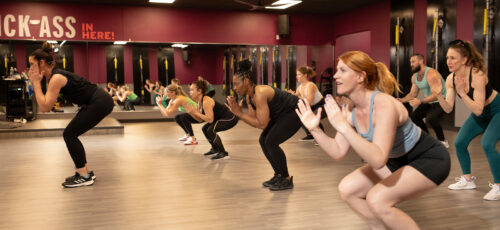
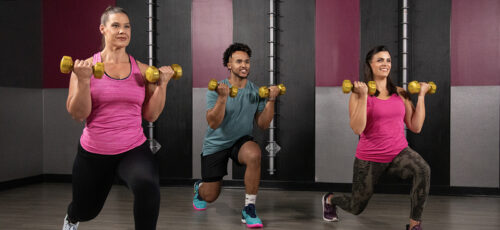
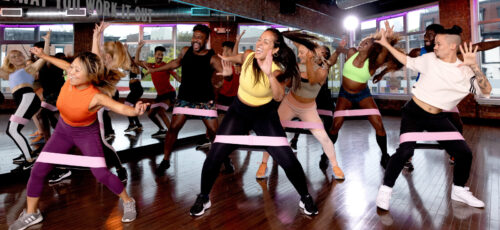
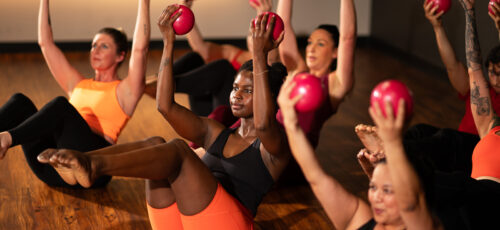
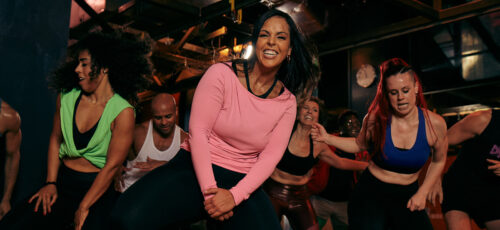
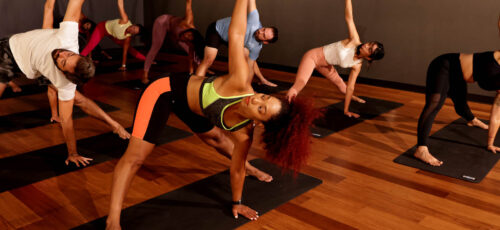
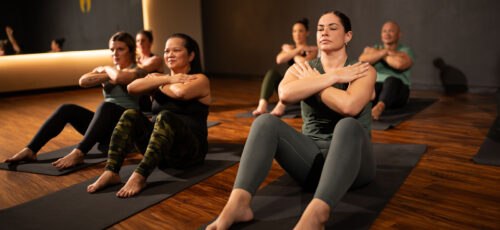
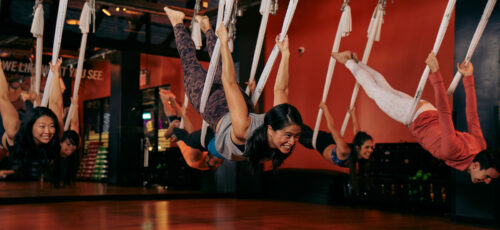
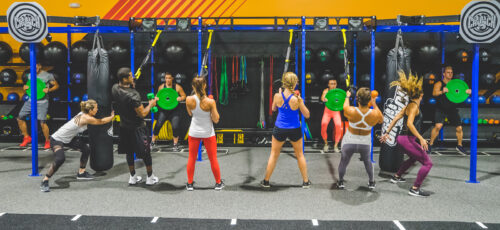
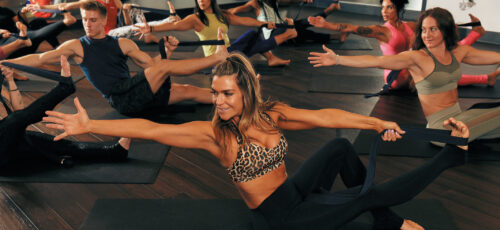
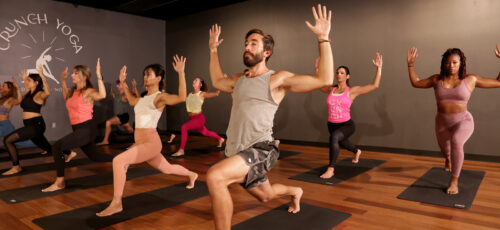
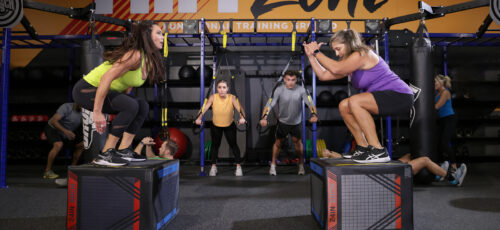
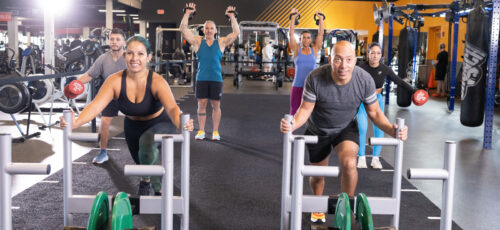
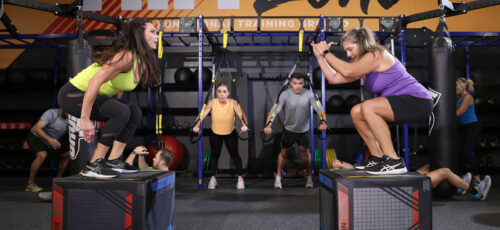
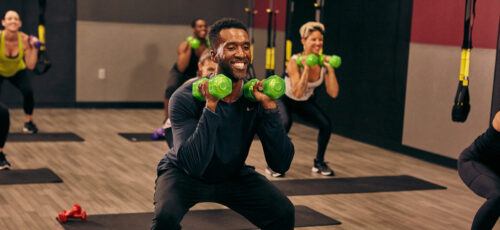
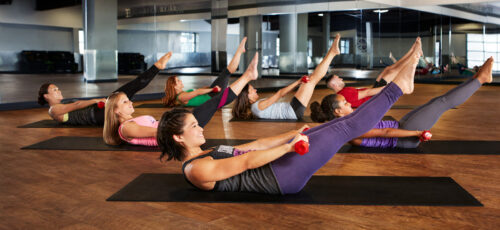
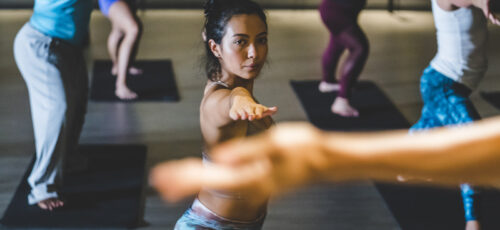
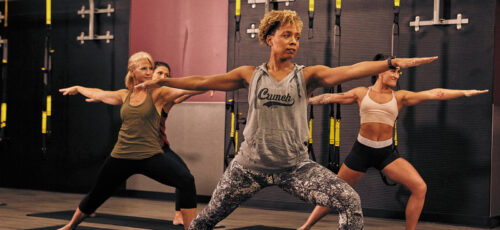
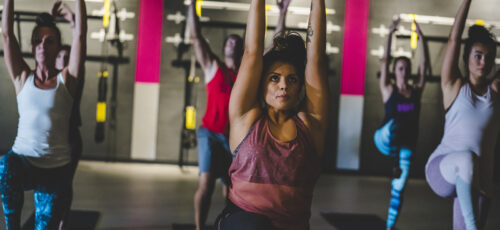
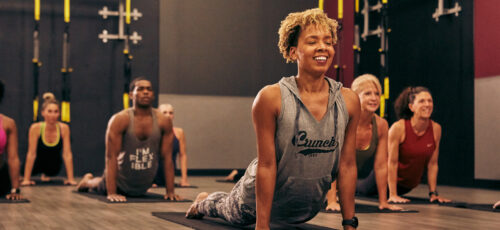
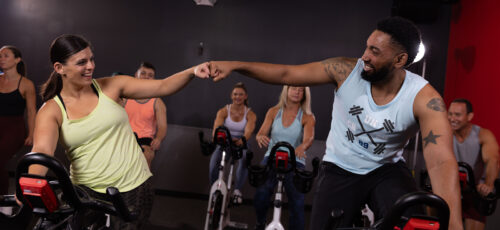
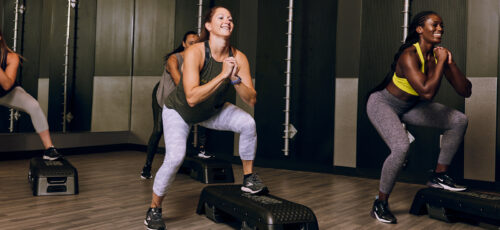
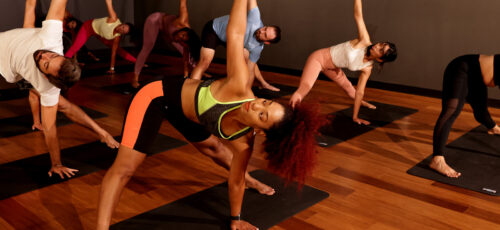
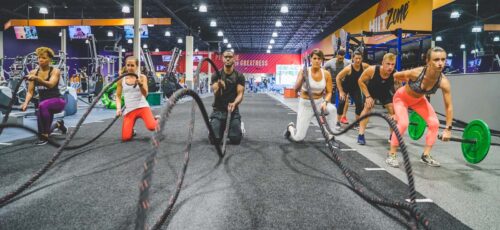
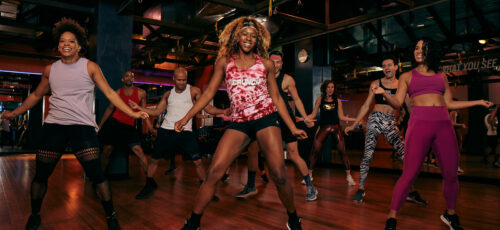
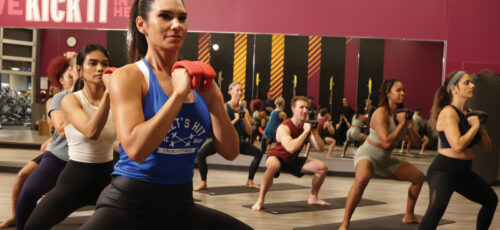
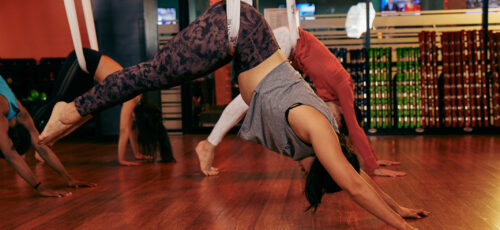
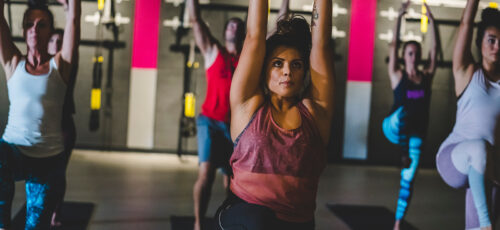
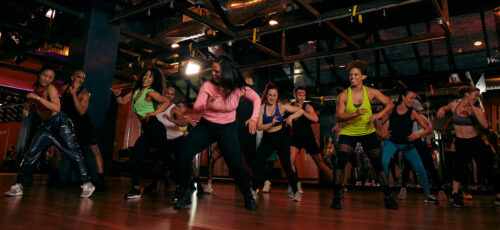
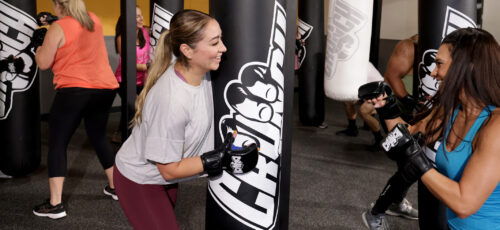
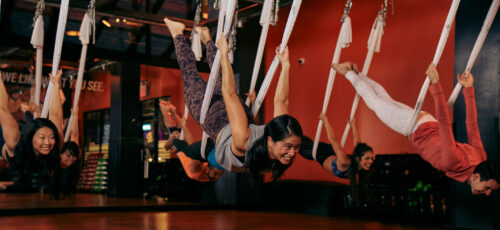
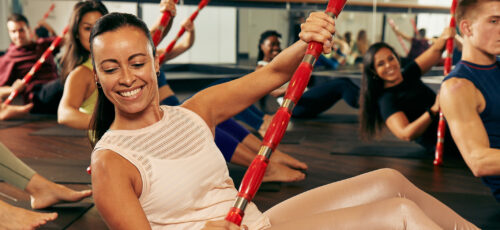
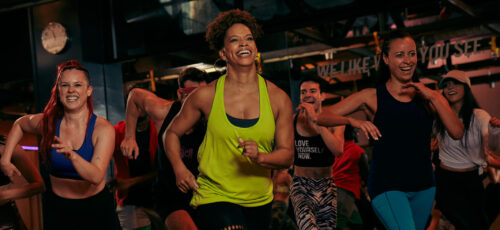
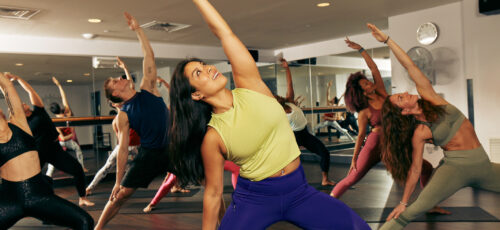
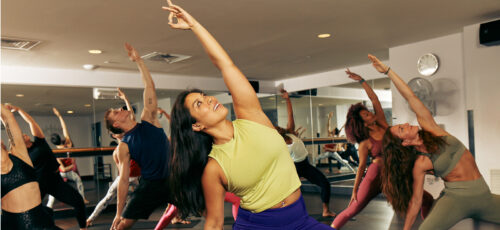
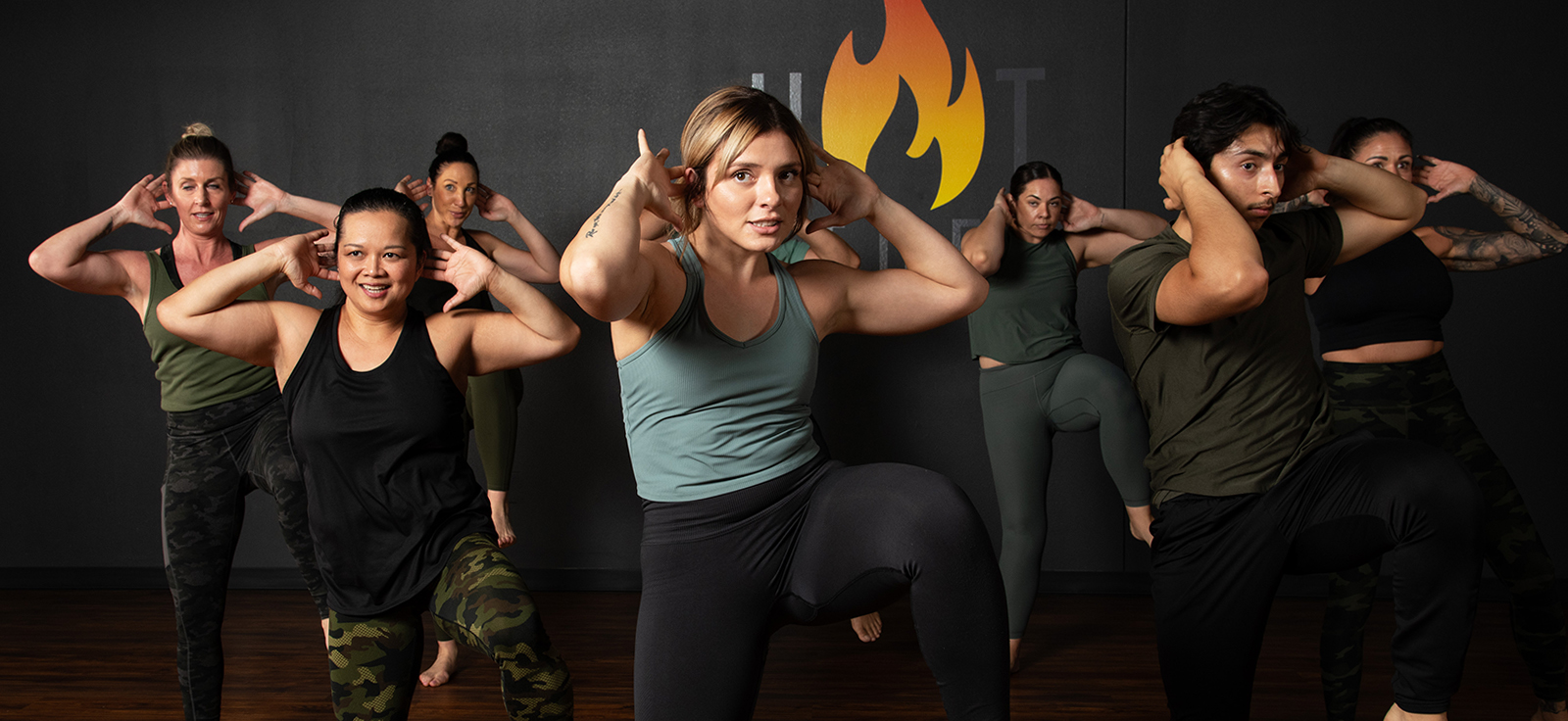
If you find it easier to stick with a routine, group fitness classes can be a great choice.
These classes help you train your core in a way that is both effective and enjoyable.
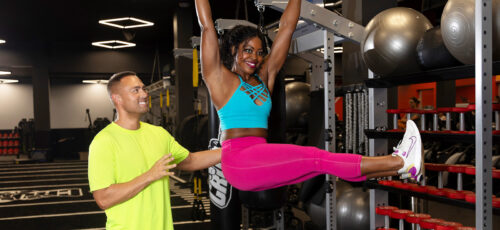
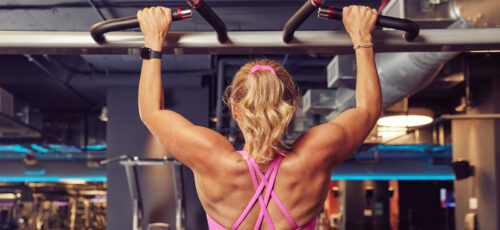
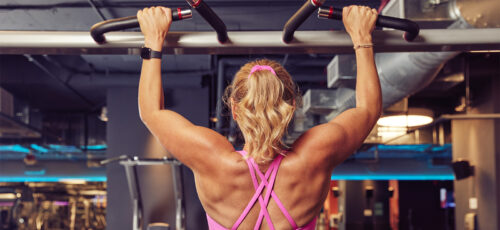
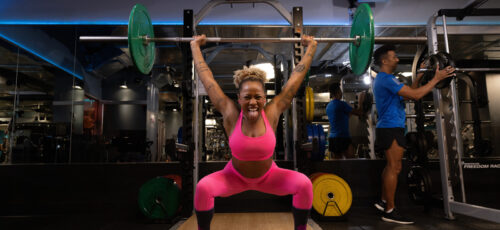
Advanced moves such as hanging leg raises, landmine rotations, decline weighted sit-ups, and barbell rollouts build strong abs, but they require good form and gradual progress. Begin with lighter weights, do fewer reps, and focus on control.
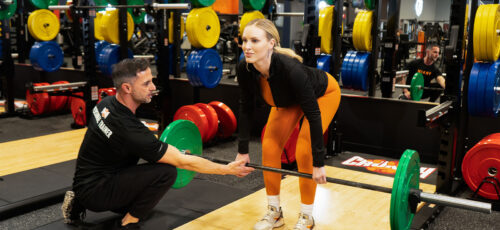
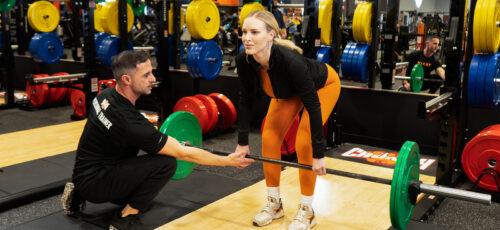
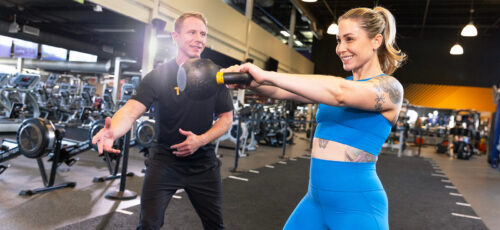
This is where working with a Crunch Fitness personal trainer can make a major difference.
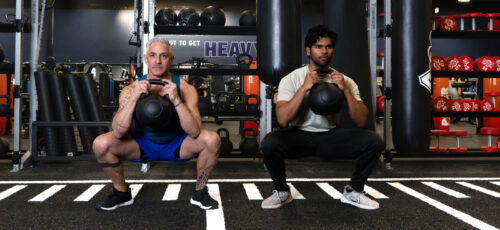
Functional exercises work your abs in all directions, including rotation, anti-rotation, and stability, which matches real-life movement.
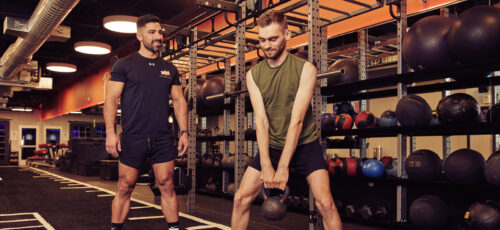
Examples are Turkish get-ups, kettlebell windmills, medicine ball throws, and cable lift-and-chop moves. Move slowly, keep your muscles working throughout, and use good form.
4–8 reps per side, controlled pace.
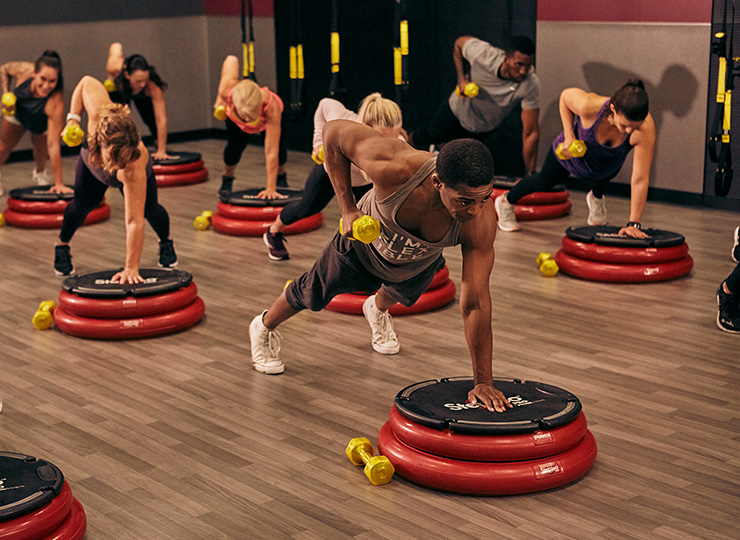
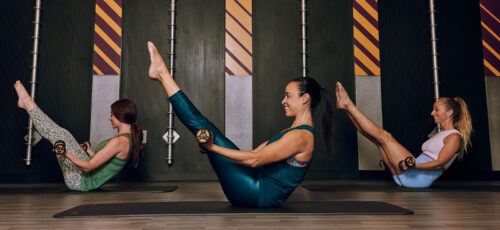
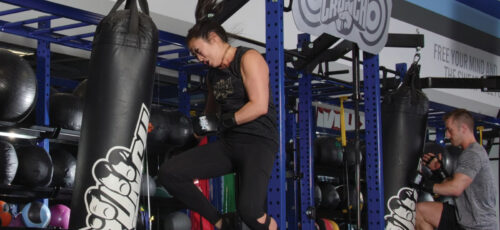
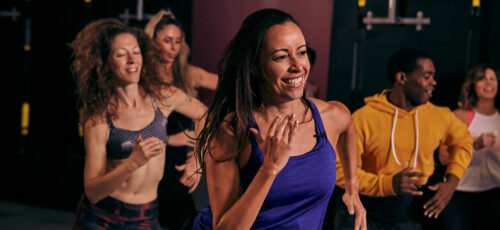
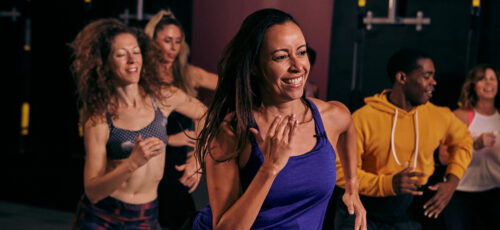
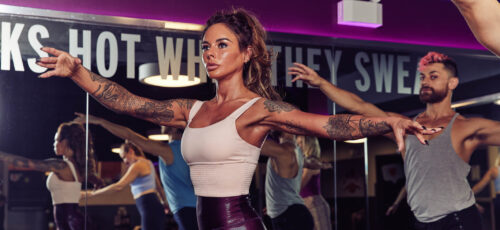
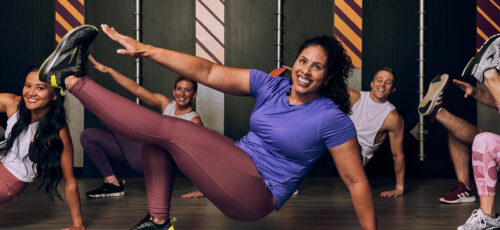
At Crunch Fitness, core exercises are both fun and dynamic. Each class blends precision, power, and energy. Our core classes are designed to challenge your body, clear your mind, and help you move with strength and confidence.
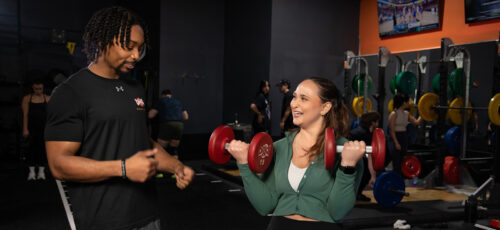
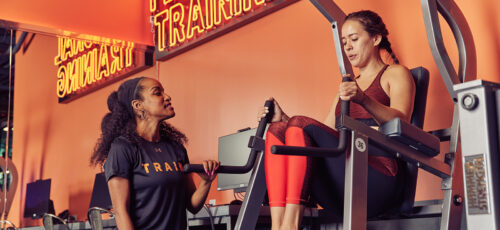
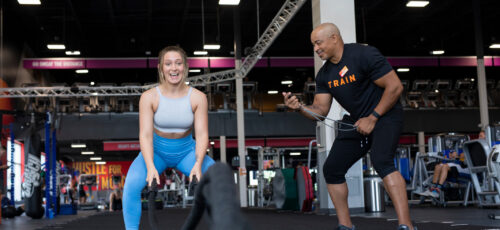
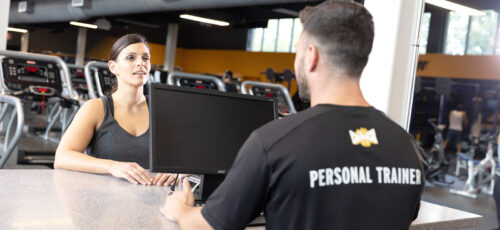
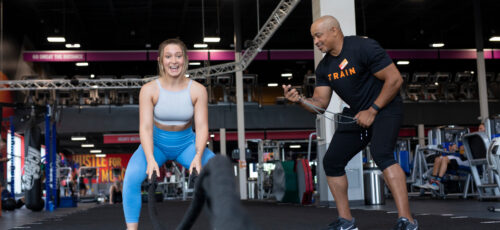
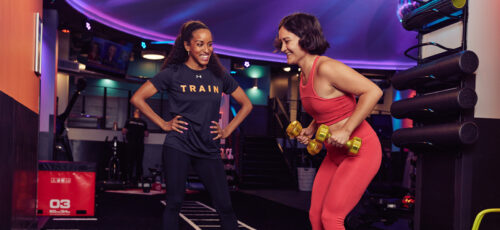
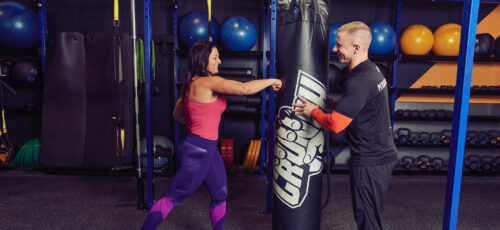
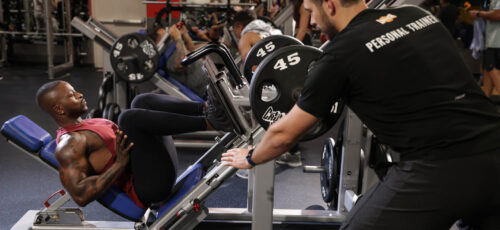
Crunch Fitness personal trainers help members reach their goals with custom workouts, expert advice, and coaching on proper form. They tailor each session to your fitness level so you get stronger, more confident, and closer to your goals.
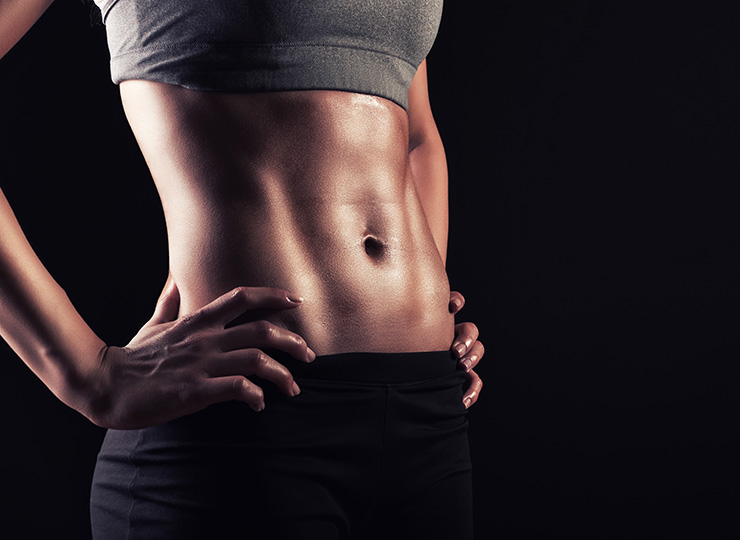
Training your abs does more than just improve how they look. A strong core helps your whole body move, perform, and feel better, both in the gym and in daily life.
Key benefits of ab training include:
When you combine regular ab workouts with good nutrition and fat loss, your strength gains will also help your abs become more defined. Training your abs builds a strong, stable core that helps you move better, feel stronger, and train with confidence.
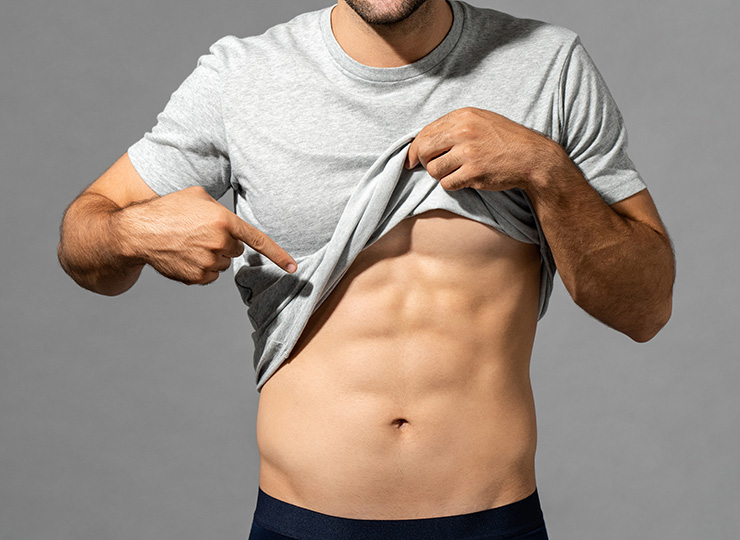
The exercises in this article will help you build a stronger core, but good habits are what keep you making progress, staying consistent, and avoiding injury. Use these tips to stay on track and get the best results from your six-pack training.
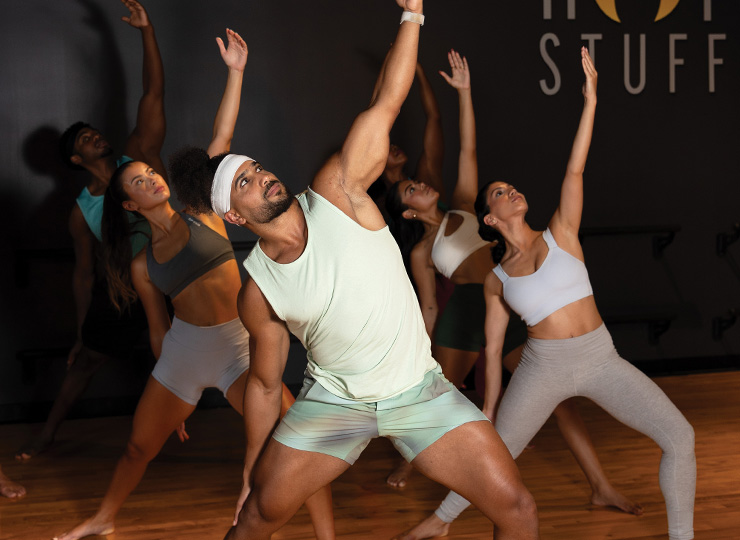
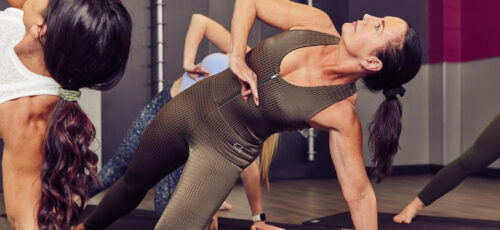
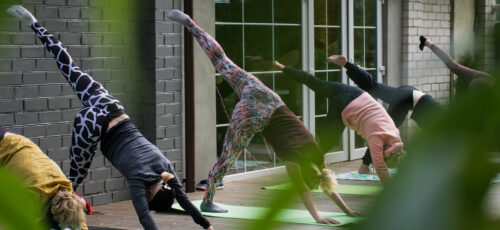
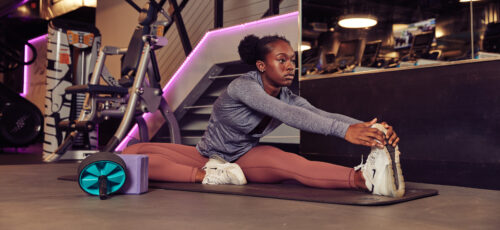
Strong abs are not just about training; mobility and recovery are also important for your core to work well. Stretching your core and nearby muscles helps lower tension, improve posture, and support good bracing during ab workouts. When your hips, lower back, and obliques move easily, your abs can work better during core exercises.
A few key stretches to include after ab workouts or on recovery days:
Doing these stretches regularly improves how you move, supports core stability, and helps prevent overuse injuries. They are a smart addition to any six-pack ab workout routine.
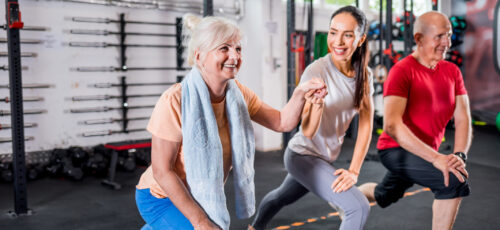
Core strengthening is not the same for everyone. Athletes, office workers, older adults, and people recovering from injury all have different needs for ab training.
Office workers often deal with tight hip flexors and weak deep core muscles from prolonged sitting. For them, exercises emphasizing core bracing, posture, and mobility are essential. Older adults may benefit from low-impact core exercises that improve balance and stability without stressing the spine. Athletes, on the other hand, need sport-specific core training that supports rotation, acceleration, and force transfer.
If you have low back pain, try exercises like dead bugs, bird dogs, or supported planks instead of sit-ups or leg raises. If you have limited mobility or tight hips, use a smaller range of motion or move more slowly. The goal is to make progress without pain.
This is where Crunch Fitness personal trainers are especially helpful. They can check your movement, suggest changes, and help you avoid injury while you build core strength safely and effectively.
Yes, everyone benefits from core strengthening, not just people chasing visible abs. Modern lifestyles are increasingly sedentary, which weakens the core and contributes to poor posture, back pain, and limited mobility.
Training your abdominal muscles helps keep your spine stable, improves balance, and helps your upper and lower body work together. A strong core lowers your risk of injury, supports daily movement, and is good for long-term health. Even if you do not care about looks, regular ab workouts help you move and feel better every day.
In short, core training isn’t optional; it’s foundational.
Building a six-pack takes time, consistency, and patience. Most people notice initial strength improvements within 2–4 weeks as core engagement and control improve. Visible definition, however, depends heavily on nutrition and body-fat levels and typically appears around 6–12+ weeks with consistent training and proper eating habits.
Deep core muscles like the transverse abdominis strengthen over 8+ weeks with progressive overload and quality movement. Your starting point matters; someone who already has training experience may see results faster than someone beginning their fitness journey.
How often you train, which exercises you choose, your recovery, and your diet all affect how quickly you see results. This is why working with a Crunch Fitness personal trainer can help. Trainers set realistic goals, adjust ab workouts to fit your needs, and create a balanced plan that builds strength and definition without shortcuts or guesswork.
Stay consistent, train smart, and trust the process. Your core will get stronger.
Crunch promotes a culture of positivity, inclusivity, and fun with no judgments by providing an environment for all individuals regardless of their health and fitness goals. Find a Crunch gym near you to try our free trial membership, or join Crunch now. We’re here for you – at the gym or at home. Access the best live & on-demand workouts anytime, anywhere with Crunch+. Ready to get sweaty? Try hundreds of workouts for free! Start your free trial now!
To get the best results, work your abs two or three times a week. This gives your muscles enough challenge to get stronger, but also enough time to recover and grow.
No. Ab exercises make your core stronger, but losing belly fat takes a calorie deficit, regular exercise, and good nutrition.
Most people should do ab exercises after their main workout. This way, your core won’t get tired before you do bigger lifts, and you can keep good form during strength training.
Yes. Stretching after ab workouts can lower muscle tension, help you move better, and speed up recovery, especially in your hips, lower back, and sides.
Usually, no. Abs need time to recover just like other muscles. Training them every other day or two to three times a week works better for strength and seeing results.
You might feel your core getting stronger in two to four weeks, but seeing your abs usually takes six to twelve weeks or more. It depends on your body fat, how often you train, and what you eat.